
Different Types Of Foundry Sand is a key solution in the manufacturing industry, specifically within Non metallic mineral products industry and Manufacturing of refractory materials and products. This article explores how Shenghuo New Material Technology Co., Ltd. supports professionals with durable, high-performance products, and explains why this product is an ideal choice for businesses in these sectors.
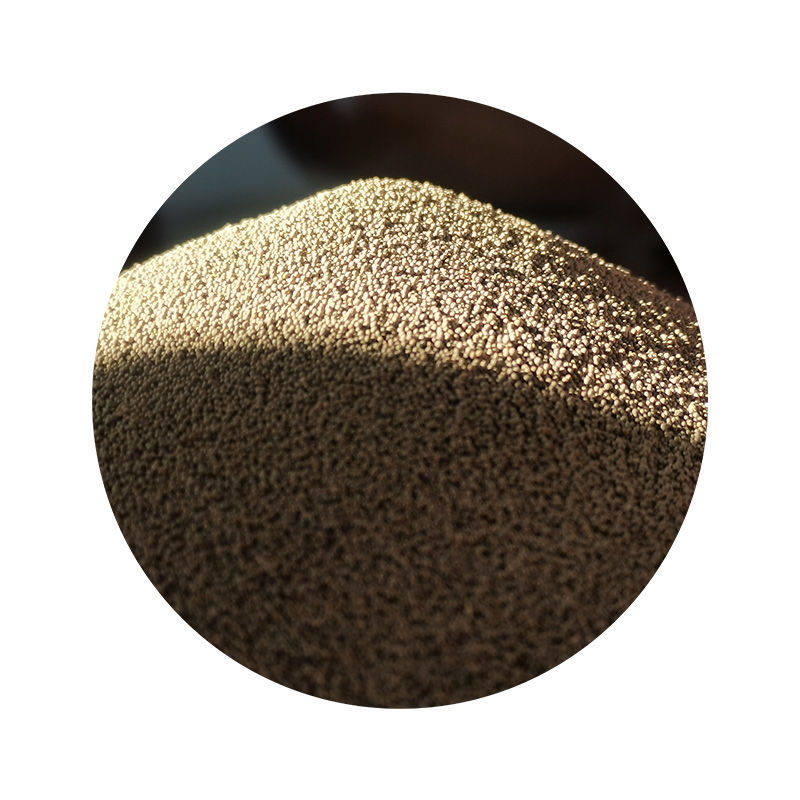
Table of Contents
- Different Types Of Foundry Sand Overview
- Benefits & Use Cases of Different Types Of Foundry Sand in Manufacturing of refractory materials and products
- Cost, Maintenance & User Experience
- Sustainability & Market Trends in manufacturing
- Conclusion on Different Types Of Foundry Sand from Shenghuo New Material Technology Co., Ltd.
Different Types Of Foundry Sand Overview
Foundry sands are engineered media used to create molds and cores for metal castings. The most common types include silica sand, chromite sand, zircon sand, olivine sand, and advanced ceramic media such as ceramsite foundry sand. Each option offers a unique balance of refractoriness, thermal expansion, permeability, and grain shape—key parameters that define foundry sand composition and casting quality. For high-alloy and steel applications, low thermal expansion and high refractoriness are decisive to minimize veining, burn-on, and penetration. That’s why B2B decision makers increasingly consider ceramic sand for metal casting when targeting premium surfaces and stable process windows.
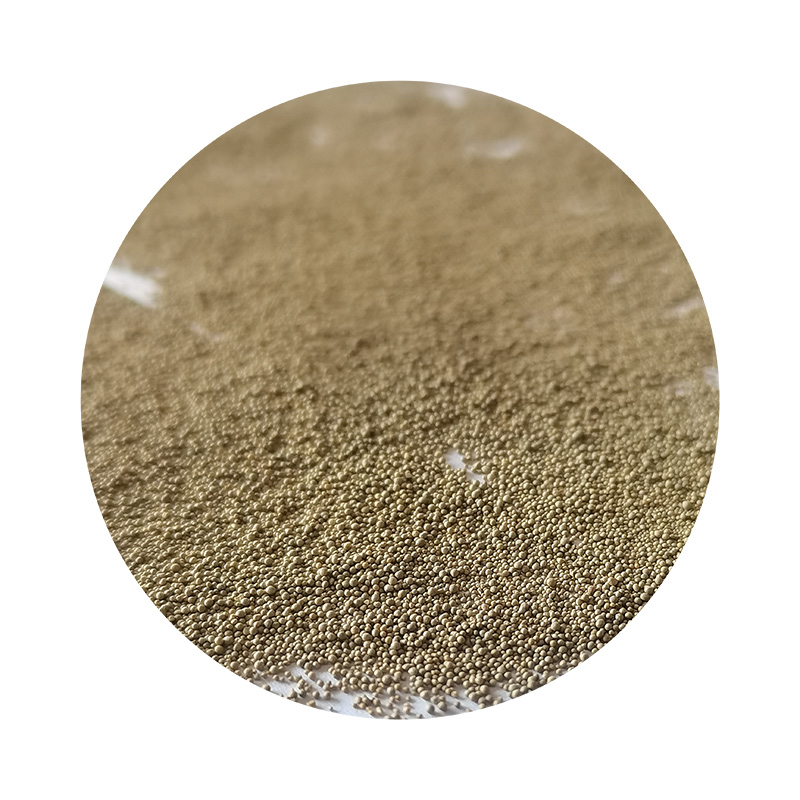
- Technical background: Ceramic (ceramsite) sand features near-spherical grains, high refractoriness, and significantly lower thermal expansion than silica. This profile supports consistent molding, lower binder demand, and improved shakeout.
- Specs to track: AFS GFN, angularity, pH, LOI, thermal expansion curve, and bulk density. Stable control mitigates foundry sand contamination and variation-induced defects.
- Manufacturer credibility: Shenghuo New Material Technology Co., Ltd. supplies high-refractoriness ceramsite foundry sand designed for demanding ferrous jobs and stainless steel sand casting foundry workflows, supported by rigorous quality assurance and application support.
Benefits & Use Cases of Different Types Of Foundry Sand in Manufacturing of refractory materials and products
In the Manufacturing of refractory materials and products, choosing among the different types of foundry sand directly impacts casting integrity, downstream machining, and total yield. For sand casting stainless steel, ceramic media such as Shenghuo’s ceramsite reduces expansion-driven defects and metal penetration, producing cleaner cast surfaces and cutting fettling time—the best way to sand stainless steel is often to minimize sanding need by starting with a sound mold. Beyond molding and core-making, ceramsite sand serves as a robust filler in refractory coatings and certain castables, where its thermal stability improves dimensional accuracy under heat load.
- Applications: Ferrous steel casting, stainless steel alloys, high-Mn or heat-resistant grades, and precision core systems where permeability and surface finish are critical.
- Competitive advantages: Low thermal expansion, high refractoriness, spherical grain shape (lower binder usage), reduced veining/burn-on, improved collapsibility, and easier reclamation.
- Sector expertise: Shenghuo New Material Technology Co., Ltd. supports stainless steel sand casting foundry teams with process optimization, helping balance binder selection, coating rheology, and sand recycling to control foundry sand contamination and stabilize quality.
Cost, Maintenance & User Experience
Total cost of ownership in a foundry goes beyond the purchase price of sand. When evaluating different types of foundry sand, factor in binder demand, mold/core scrap rates, rework, reclamation efficiency, disposal fees, and health/safety compliance. Ceramsite foundry sand’s spherical morphology typically cuts resin usage and supports higher reclamation yields. For stainless steel jobs, fewer defects and cleaner cast surfaces reduce grinding and finishing, improving throughput and ROI.
- Durability & reuse: Ceramic grains resist thermal shock and mechanical breakdown, extending reuse cycles and stabilizing AFS properties over time.
- Maintenance: Consistent foundry sand composition and low LOI help prevent buildup in mixers and core boxes, while reducing the risk of foundry sand contamination during recycling.
- User feedback: Buyers in the Non metallic mineral products industry report improved surface quality on challenging steel alloys, steadier pouring windows, and more predictable shakeout—key drivers of lower total casting cost.
Sustainability & Market Trends in manufacturing
Sustainability priorities and regulations around crystalline silica exposure are reshaping foundry material choices. Ceramic media provide a pathway to lower thermal expansion defects and support closed-loop reclamation, reducing virgin consumption and landfill volumes. Many B2B leaders are integrating high-performance sand for metal casting that aligns with occupational health standards and waste-minimization programs. Managing foundry sand contamination at the source—through stable inputs and robust reclamation—is increasingly central to environmental and quality strategies.
- Regulatory alignment: Proactive control of dust, LOI, and residual binders supports compliance with evolving workplace and environmental guidelines.
- Shenghuo’s approach: Shenghuo New Material Technology Co., Ltd. engineers ceramsite sands with tight quality controls to enable efficient reclamation and reduced waste, positioning partners to meet performance and sustainability targets across stainless and carbon steel casting lines.
Conclusion on Different Types Of Foundry Sand from Shenghuo New Material Technology Co., Ltd.
Selecting among the different types of foundry sand directly influences product quality, operational stability, and sustainability outcomes. For high-alloy and stainless steel applications, ceramsite foundry sand unlocks consistent refractoriness, low thermal expansion, and cleaner surfaces—reducing rework and total casting cost. Shenghuo New Material Technology Co., Ltd. delivers reliable ceramic sand solutions and technical support tailored to the Manufacturing of refractory materials and products sector.
- Trust a proven partner to optimize molding, core performance, and reclamation with the right sand for metal casting.
- Contact us: email: shenghuo@sinoceramsite.com
- Visit our website: https://www.sinoceramsite.com
Next:Supersand G2 for Pavers — Fast-Setting, Weed-Resistant