
Steel Sand Casting: A Comprehensive Guide
Steel sand casting is a versatile and cost-effective manufacturing process used to create a wide range of metal components. From intricate designs to large-scale parts, this method offers flexibility and efficiency. This article will explore the process, benefits, applications, and factors to consider when choosing steel sand casting for your project. Understanding the intricacies of steel sand casting can help optimize your manufacturing process and ensure high-quality results. We'll delve into the details to provide you with a comprehensive understanding of this essential technique.
Understanding the Steel Sand Casting Process
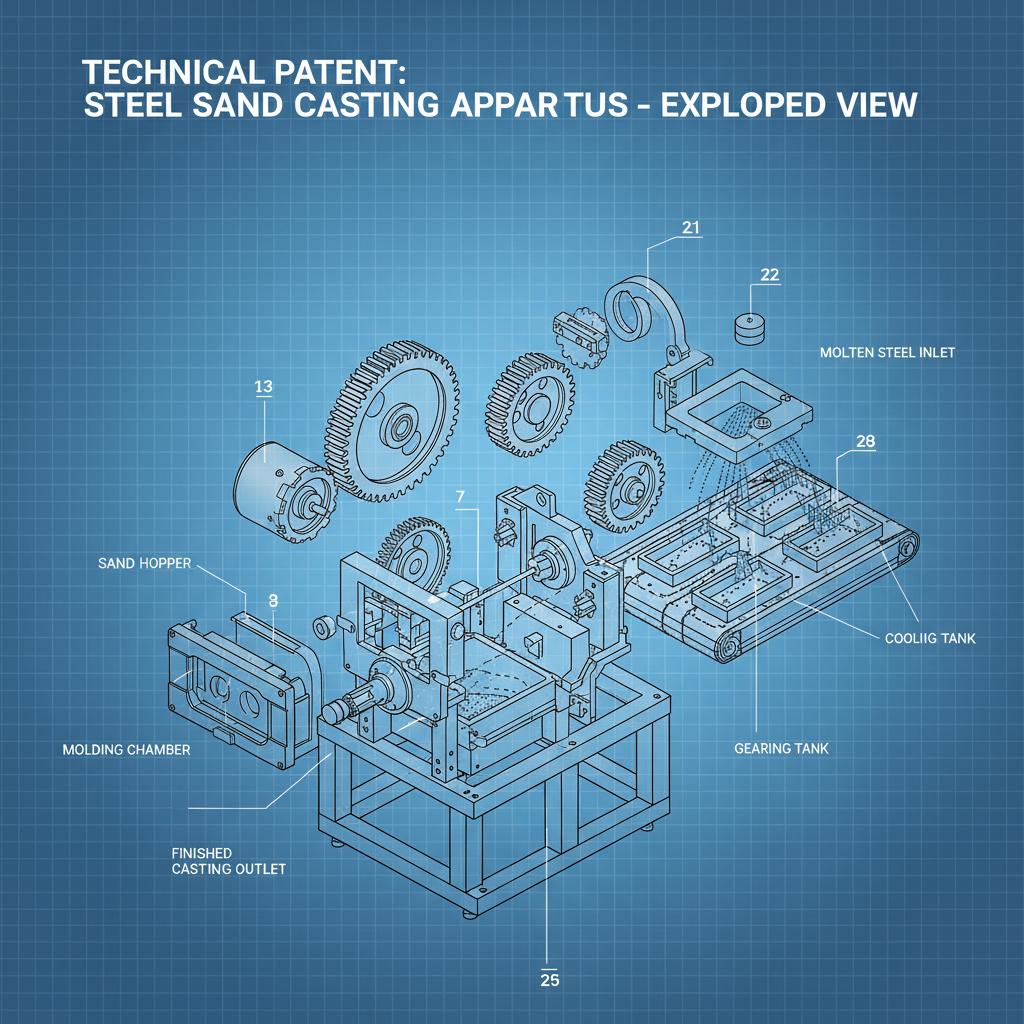
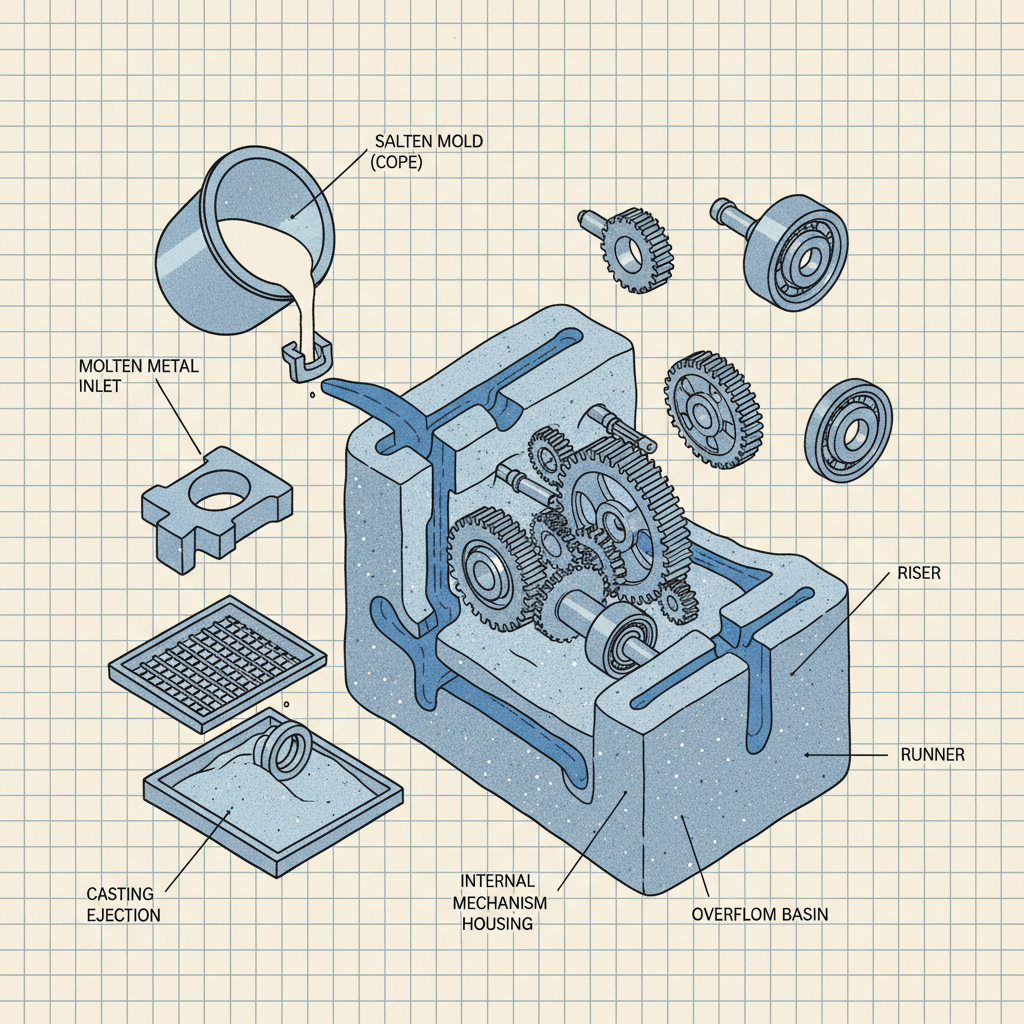
The steel sand casting process involves pouring molten steel into a sand mold. The mold is created using a pattern, which is a replica of the desired final product. The sand is mixed with a binder, such as clay, to hold its shape. Once the molten steel solidifies, the mold is broken away, revealing the cast part. Several variations exist, including green sand casting (using moist sand), dry sand casting (using dried sand), and shell molding (using resin-coated sand). Each method offers unique advantages depending on the complexity, size, and required precision of the component. Sinoceramsite offers tailored solutions for various steel sand casting needs.
Key Highlights: The process allows for complex geometries and large part sizes, making it a cost-effective solution for numerous applications.
Advantages of Utilizing Steel Sand Casting
Steel sand casting offers several significant advantages. Firstly, it’s remarkably cost-effective, particularly for low to medium production volumes. Secondly, the process can accommodate a wide range of steel alloys, offering versatility in material selection. Thirdly, it’s capable of producing parts with complex geometries that might be challenging or impossible to achieve with other manufacturing methods. Finally, sand casting allows for large part sizes, making it ideal for heavy-duty applications. Compared to other casting methods, sand casting generally has lower tooling costs and quicker turnaround times.
Key Benefits:
• Cost-Effective for low to medium volumes
• Wide range of steel alloys
• Complex geometries possible
• Large part sizes attainable
Steel Sand Casting vs. Other Casting Methods
While steel sand casting is a powerful technique, it's important to understand how it compares to other casting methods. Investment casting provides higher precision and smoother surface finishes, but at a higher cost. Die casting is suitable for high-volume production but is limited in terms of part size and complexity. Permanent mold casting offers better surface finish and mechanical properties than sand casting, but it’s more expensive for initial tooling. The choice of casting method depends on your specific requirements regarding cost, precision, volume, and material properties. Sinoceramsite’s expertise helps you select the optimal process.
Common Applications of Steel Sand Castings
The applications of steel sand castings are incredibly diverse. They are extensively used in the automotive industry for engine blocks, cylinder heads, and transmission housings. In the construction industry, they find use in pump housings, valve bodies, and structural components. The agricultural sector utilizes sand castings for tractor parts and implements. Other applications include mining equipment, railway components, and industrial machinery. Sinoceramsite provides castings tailored to a wide range of these industries.
Factors to Consider When Choosing Steel Sand Casting
Several factors should be considered when deciding if steel sand casting is the right choice for your project. These include the required mechanical properties of the part, the complexity of the design, the production volume, and the budget. Selecting the appropriate steel alloy is also critical to ensure the casting meets your performance requirements. Working with an experienced casting partner like Sinoceramsite can help you navigate these considerations and optimize your manufacturing process.
Conclusion: A Reliable and Versatile Manufacturing Solution
Steel sand casting remains a valuable manufacturing process due to its versatility, cost-effectiveness, and ability to produce complex parts. By understanding the process, its advantages, and considerations, you can make informed decisions for your projects. Sinoceramsite is your trusted partner for high-quality steel sand castings, providing tailored solutions to meet your specific needs.
Frequently Asked Questions (FAQs)
What steel alloys are commonly used in sand casting?
Carbon steel, alloy steel, stainless steel, and ductile iron are commonly used in sand casting. The specific alloy chosen depends on the desired mechanical properties, corrosion resistance, and operating temperature of the final product. Carbon steel is cost-effective for general-purpose applications, while alloy steels offer improved strength and toughness. Stainless steel provides excellent corrosion resistance, making it ideal for harsh environments. Ductile iron offers a good balance of strength, ductility, and machinability.
What is the typical lead time for steel sand casting?
Lead times can vary depending on the complexity of the part, the production volume, and the availability of materials. Generally, lead times range from 4 to 8 weeks for prototype parts and 6 to 12 weeks for production orders. Factors such as pattern making, mold making, and heat treatment can influence the overall lead time. Clear communication and efficient project management are essential to minimize delays.
What surface finishes are achievable with steel sand casting?
Sand casting typically produces a rougher surface finish compared to other casting methods. However, surface finishes can be improved through post-processing operations such as grinding, machining, and polishing. The achievable surface roughness typically ranges from Ra 125 to Ra 630 microinches. Selecting a finer sand grain size and employing advanced casting techniques can also improve the surface finish.
How does Sinoceramsite ensure quality control in steel sand casting?
Sinoceramsite employs a rigorous quality control process throughout the entire steel sand casting process. This includes material inspection, pattern verification, mold inspection, dimensional checks, and non-destructive testing (NDT) methods such as radiographic testing and ultrasonic testing. We adhere to strict quality standards and certifications to ensure that all castings meet or exceed customer specifications. We have a dedicated quality control team and utilize advanced inspection equipment to maintain consistently high-quality results.
Next:Comprehensive Guide to Sand Castings and Their Industrial Applications