
Understanding the Sand Foundry Process and its Global Significance
The sand foundry process is a cornerstone of modern manufacturing, enabling the creation of metal castings for a vast array of industries. This method, relying on sand as the primary mold material, is particularly crucial for producing complex shapes with high precision. From automotive components to industrial machinery, the applications are extensive. This article will delve into the intricacies of sand casting, explore its various types, discuss its advantages and disadvantages, and highlight the role of companies like Sinoceramsite in providing advanced foundry solutions. Choosing the right foundry partner is paramount for ensuring product quality and cost-effectiveness.
The Core Principles of a Sand Foundry
At its heart, the sand foundry process involves creating a mold using a sand mixture. This mixture typically comprises silica sand, clay as a binder, and various additives to enhance its properties. The mold cavity is formed by packing the sand around a pattern – a replica of the desired casting. Once the mold is prepared, molten metal is poured into the cavity, allowed to cool and solidify, and then the sand mold is broken away to reveal the finished casting. The process is surprisingly versatile and capable of producing parts ranging in size from a few ounces to several tons. Precision and consistency are critical, and advancements in sand casting technology continually improve both.
Key Takeaway: The sand foundry process utilizes sand as the primary mold material, offering a cost-effective and versatile solution for metal casting.
Types of Sand Casting Processes
Several variations of sand casting exist, each suited to different production volumes and complexity requirements. Common types include:
- Green Sand Casting: The most widely used method, employing a sand mixture with a small amount of moisture.
- Dry Sand Casting: Utilizes dry, bonded sand for improved dimensional accuracy and surface finish.
- Shell Molding: Creates a thin, strong mold using resin-coated sand, ideal for high-precision castings.
- No-Bake Molding: Employs chemical binders to harden the sand without baking, offering flexibility in mold design.
The choice of sand casting process depends heavily on factors such as the size and complexity of the casting, the required surface finish, and the production volume. Sinoceramsite specializes in providing solutions optimized for various sand casting applications.
Sand Foundry Materials: A Closer Look
The quality of the materials used in a sand foundry directly impacts the final casting's integrity. Here's a comparison of common sand types and binders:
Advantages and Disadvantages of Sand Casting
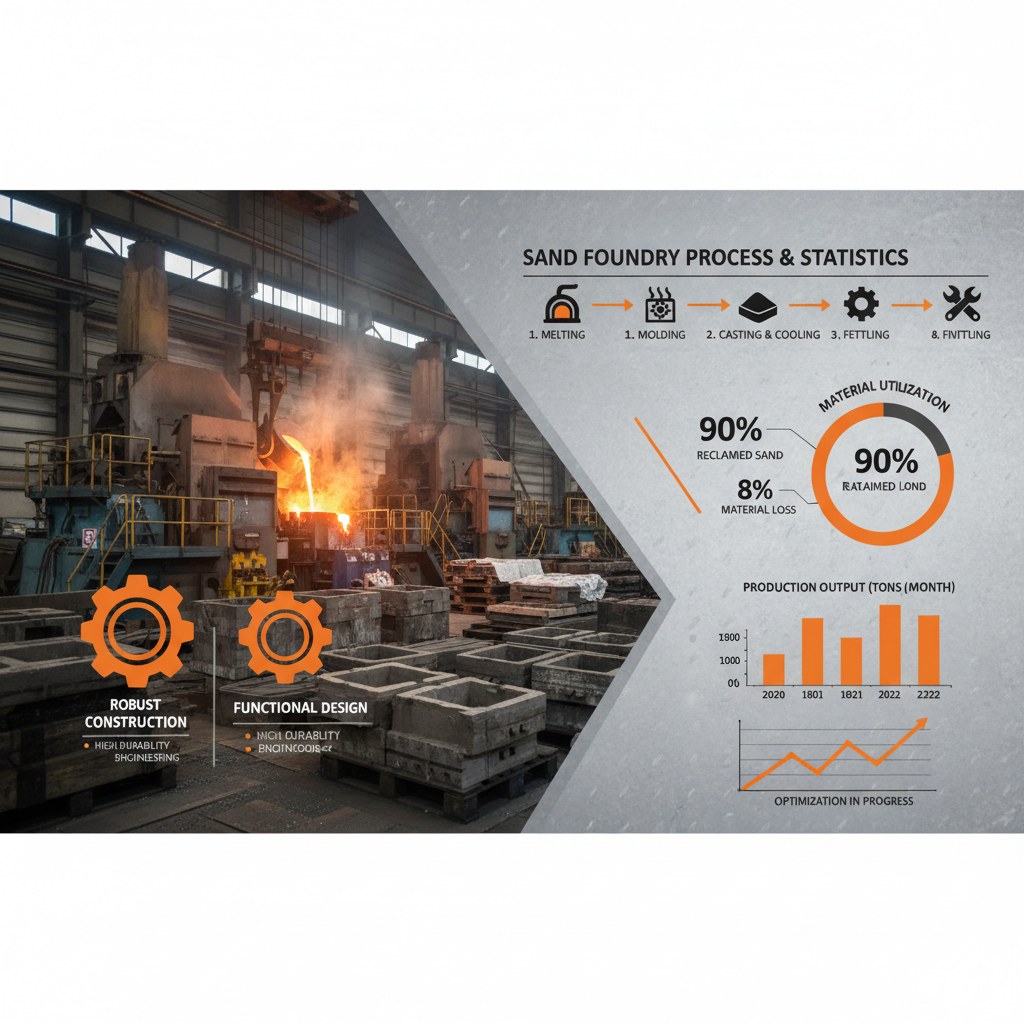
Like any manufacturing process, sand casting has its strengths and weaknesses. Key advantages include its low tooling costs, ability to handle large parts, and suitability for a wide range of metals. However, it generally offers lower dimensional accuracy and surface finish compared to other casting methods. Furthermore, the process can be labor-intensive, and environmental concerns related to sand disposal require careful management. Here's a visual breakdown:
The Future of Sand Foundries and Sinoceramsite's Role
The sand foundry industry is undergoing continuous innovation, driven by the demand for higher precision, improved efficiency, and reduced environmental impact. Automation, advanced sand compositions, and 3D printing technologies are transforming the process. Sinoceramsite is at the forefront of these advancements, offering cutting-edge solutions for mold materials, process optimization, and foundry equipment. By embracing these innovations, sand foundries can remain competitive and meet the evolving needs of global manufacturers.
Conclusion: Sand Casting – A Vital Manufacturing Process
The sand foundry process remains a vital manufacturing technique, offering a cost-effective and versatile solution for creating metal castings. Despite its limitations, ongoing innovation and the expertise of companies like Sinoceramsite are continuously improving its capabilities. From automotive to aerospace, sand casting continues to play a crucial role in shaping the world around us.
Frequently Asked Questions (FAQs)
What are the common defects found in sand castings?
Common defects include gas porosity (caused by trapped gases), shrinkage cavities (formed during solidification), and surface imperfections like roughness or cracks. Proper mold design, venting, and controlled cooling rates are crucial for minimizing these defects. Utilizing high-quality sand and binders, as provided by Sinoceramsite, can also significantly reduce defect rates. Thorough inspection and quality control procedures are essential for identifying and addressing any issues.
What metals are commonly cast using the sand casting process?
A wide variety of metals can be sand cast, including iron, steel, aluminum, brass, and bronze. The choice of metal depends on the specific application and desired properties. Iron and steel are frequently used for large, heavy castings, while aluminum and other non-ferrous metals are preferred for applications requiring lighter weight and corrosion resistance. The sand mixture is also adjusted based on the metal being cast to optimize the process.
How important is mold material recycling in sand foundries?
Mold material recycling is increasingly important for environmental and economic reasons. Sand foundries generate significant amounts of waste sand, and responsible disposal is crucial. Recycling sand reduces landfill waste, conserves natural resources, and lowers production costs. Sinoceramsite provides solutions to facilitate sand recycling and promote sustainable foundry practices.
What is the role of core boxes in sand casting?
Core boxes are used to create cores, which are inserts placed into the mold cavity to form internal features of the casting, such as holes or channels. These boxes are precisely shaped to define the desired internal geometry. Cores are typically made from sand bonded with a resin or other binder. Accurate core boxes are essential for achieving the correct internal dimensions and functionality of the final casting.
Next:Understanding Sand Used in Sand Casting for Modern Manufacturing Applications