
Foundry Molding Sand: A Comprehensive Guide
Foundry molding sand is a crucial component in the metal casting process, playing a vital role in creating molds for various metal components. Choosing the right type of sand significantly impacts the quality, precision, and efficiency of the casting process. This article provides an in-depth look at foundry molding sand, exploring its types, properties, applications, and considerations for optimal selection. Understanding these aspects will help ensure your foundry operations achieve consistent, high-quality results. You can find a wide range of high-quality foundry molding sand options at SinoCeramsite.
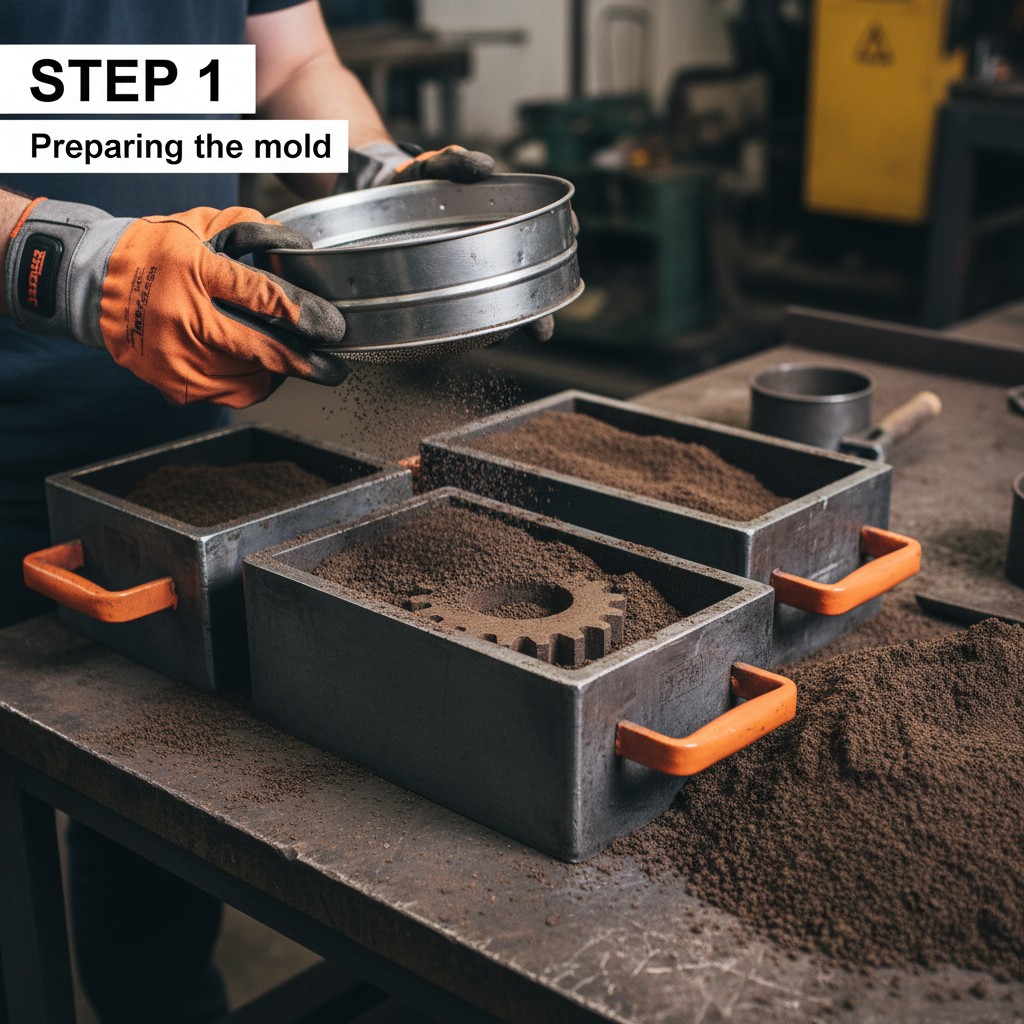
Types of Foundry Molding Sand
Foundry sands are broadly categorized into two main types: natural sands and synthetic sands. Natural sands, such as silica sand, are readily available and cost-effective. However, they may contain impurities and exhibit inconsistencies in grain size. Synthetic sands, like zircon and chromite sand, offer greater purity, thermal stability, and resistance to chemical reactions but come at a higher cost. The choice between natural and synthetic sand depends on the specific requirements of the casting process, the type of metal being cast, and the desired surface finish.
Key Highlights: The right sand type influences mold permeability, strength, and thermal properties impacting casting quality.
Understanding Key Properties of Foundry Molding Sand
Several key properties determine the suitability of a sand for foundry applications. These include grain size distribution, permeability, strength, thermal stability, and chemical composition. Grain size distribution affects surface finish and mold permeability. Permeability allows gases produced during casting to escape, preventing defects. Strength provides the mold’s ability to withstand metal flow. Thermal stability ensures the sand doesn’t break down at high temperatures. Chemical composition dictates its reactivity with molten metals. SinoCeramsite provides detailed specifications for each sand type, ensuring you select the right material for your needs.
Essential Sand Properties:
• Grain Size Distribution: Affects surface finish and permeability.
• Permeability: Enables gas escape during casting.
• Strength: Withstands molten metal flow.
• Thermal Stability: Prevents breakdown at high temperatures.
Foundry Molding Sand Comparison
Different types of foundry sands exhibit varying characteristics. The following table provides a comparison of common sand types to help you select the best option for your application.
Applications of Different Foundry Molding Sands
The application of specific foundry sands depends on the type of metal being cast and the desired casting characteristics. Silica sand is commonly used for ferrous castings due to its cost-effectiveness. Zircon sand is ideal for non-ferrous metals requiring high precision and surface finish. Chromite sand is preferred for high-temperature applications, while olivine sand is suitable for complex castings. At SinoCeramsite, we provide guidance to help you choose the optimal sand for your unique foundry needs.
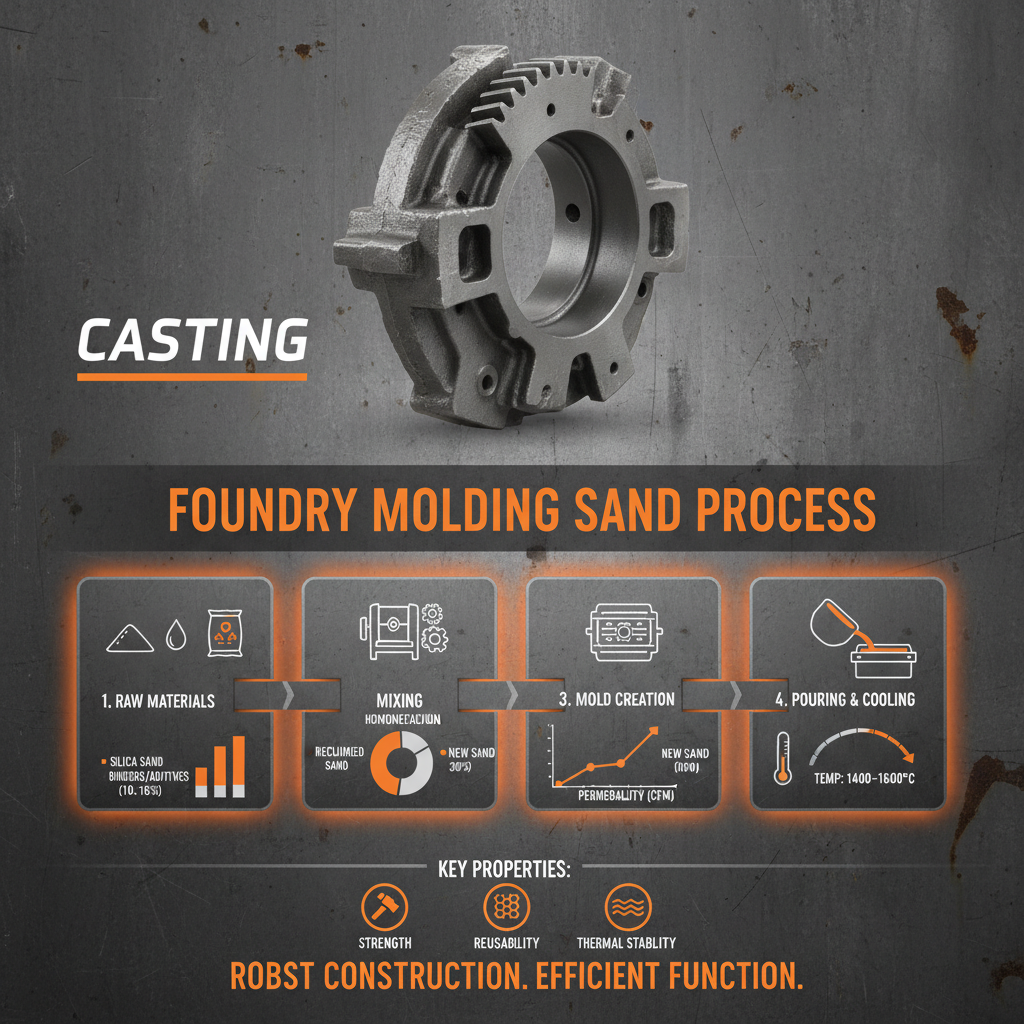
Product Specifications: SinoCeramsite Foundry Sand
SinoCeramsite offers a range of high-quality foundry molding sands with consistent properties. Here's a representative specification for our Zircon Sand:
Conclusion: Selecting the Right Foundry Molding Sand
Choosing the right foundry molding sand is critical for achieving high-quality castings. Consider the metal being cast, desired surface finish, and cost requirements when making your selection. SinoCeramsite provides a wide range of high-quality sands and expert support to help you optimize your foundry operations.
Frequently Asked Questions (FAQs)
What is the importance of grain size distribution in foundry sand?
Grain size distribution significantly impacts the mold's surface finish and permeability. A uniform grain size produces a smoother casting surface. The distribution also affects how easily gases can escape from the mold during pouring. Too fine a grain size can reduce permeability, while too coarse a grain size can lead to a rough surface finish. Optimal grain size distribution is crucial for achieving the desired casting quality and minimizing defects. The correct distribution ensures adequate ventilation and prevents gas buildup, which can cause porosity and other imperfections in the final casting.
How does sand permeability affect the casting process?
Sand permeability refers to the sand’s ability to allow gases, such as steam and combustion products, to pass through it. Insufficient permeability can lead to gas buildup within the mold cavity, causing porosity, blowholes, and other defects in the casting. Proper permeability ensures that these gases can escape efficiently, resulting in a sound and defect-free casting. The permeability is controlled by grain size, grain shape, and the amount and type of binder used.
What are the benefits of using synthetic foundry sands?
Synthetic sands, such as zircon and chromite, offer several advantages over natural sands. They have higher thermal stability, resisting breakdown at high temperatures, and exhibit greater resistance to chemical reactions with molten metals. This leads to improved casting accuracy, reduced gas evolution, and a smoother surface finish. While more expensive, synthetic sands are often essential for specialized castings requiring exceptional quality and precision. Their consistent properties also reduce variability in the casting process.
How can I determine the best foundry sand for my application?
Determining the best foundry sand requires careful consideration of several factors, including the type of metal being cast, the complexity of the casting design, the desired surface finish, and the cost constraints. Consulting with a sand supplier, like SinoCeramsite, can provide valuable guidance. We offer technical expertise and can help you select the optimal sand type based on your specific needs. Analyzing your casting requirements and understanding the properties of different sands will lead to the best results.
Next:The Critical Role of Sand for Casting in Modern Manufacturing Processes