
Understanding Ceramic Foundry Sand: A Comprehensive Guide
Ceramic foundry sand is a crucial material in the metal casting industry, prized for its high refractoriness, thermal stability, and permeability. It plays a vital role in creating molds for various metal casting processes, ensuring the integrity and quality of the final products. This article delves into the properties, applications, benefits, and selection criteria of ceramic foundry sand, offering valuable insights for foundry professionals and anyone involved in metal casting. Understanding the nuances of this material is key to optimizing casting processes and achieving superior results.
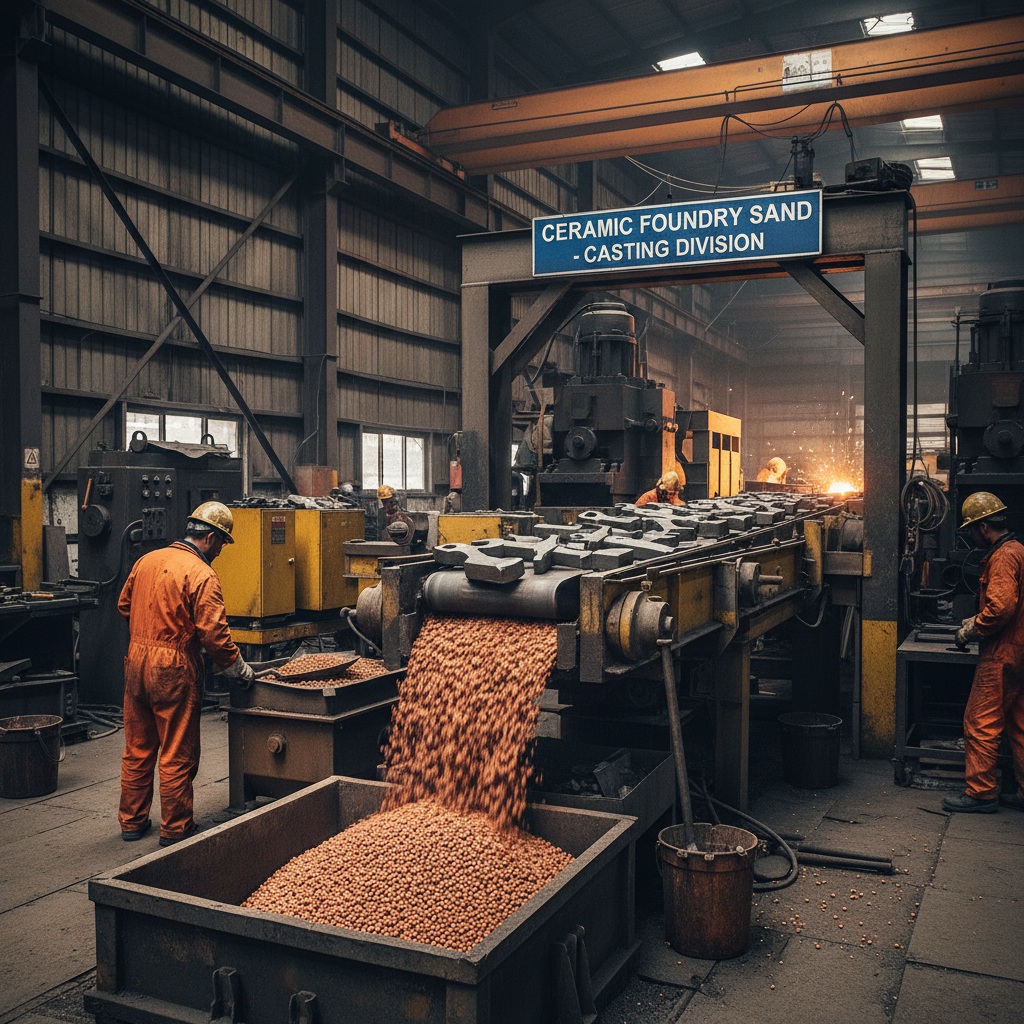
What is Ceramic Foundry Sand?
Ceramic foundry sand isn’t a naturally occurring sand. Instead, it’s manufactured by calcining high-purity silica sand at extremely high temperatures. This process transforms the silica into a highly stable, crystalline structure, giving it exceptional resistance to thermal shock and chemical attack. This makes it ideal for withstanding the intense heat involved in metal casting. Different types of ceramic sand are created based on the calcination temperature and resulting grain shape and size. The key properties include its ability to maintain strength at high temperatures, resist deformation under load, and allow gases to escape from the mold during pouring. Sino Ceramics offers a wide range of ceramic foundry sands tailored to specific casting requirements.
Key Highlights: Manufactured from high-purity silica, exceptional resistance to thermal shock, and maintains strength at high temperatures.
Types of Ceramic Foundry Sand
Several types of ceramic foundry sand are available, each with unique characteristics suited for different applications. The most common include Zircon sand, Sillimanite sand, and Chromite sand. Zircon sand is known for its excellent thermal stability and resistance to slag attack, making it ideal for high-temperature casting. Sillimanite sand offers good refractoriness and is frequently used in iron and steel foundries. Chromite sand provides high thermal conductivity, which is beneficial for certain types of metal casting. The choice of sand depends on the metal being cast, the casting process, and the desired surface finish.
Key Types of Ceramic Foundry Sand:
• Zircon Sand: Excellent thermal stability and slag resistance.
• Sillimanite Sand: Good refractoriness for iron and steel.
• Chromite Sand: High thermal conductivity.
Ceramic Foundry Sand vs. Traditional Silica Sand
While traditional silica sand is cheaper, ceramic foundry sand offers significant advantages in terms of performance and longevity. Traditional silica sand undergoes thermal expansion and contraction during the casting process, leading to mold cracking and dimensional inaccuracies. Ceramic sand, due to its crystalline structure, exhibits significantly less thermal expansion, resulting in more stable molds and improved casting accuracy. Furthermore, ceramic sand resists chemical attack from molten metals, extending mold life and reducing the need for frequent mold changes. This translates to increased productivity and reduced costs over the long run. Explore the advantages of switching to ceramic foundry sand with Sino Ceramics.
Applications of Ceramic Foundry Sand
Ceramic foundry sand finds widespread use in various metal casting processes, including sand casting, investment casting, and shell molding. It's particularly valuable for casting high-temperature alloys, such as those used in aerospace, automotive, and energy industries. The superior thermal stability and resistance to slag penetration ensure clean, accurate castings with minimal defects. It's also utilized in the production of complex shapes and intricate designs, where dimensional accuracy is paramount.
Selecting the Right Ceramic Foundry Sand
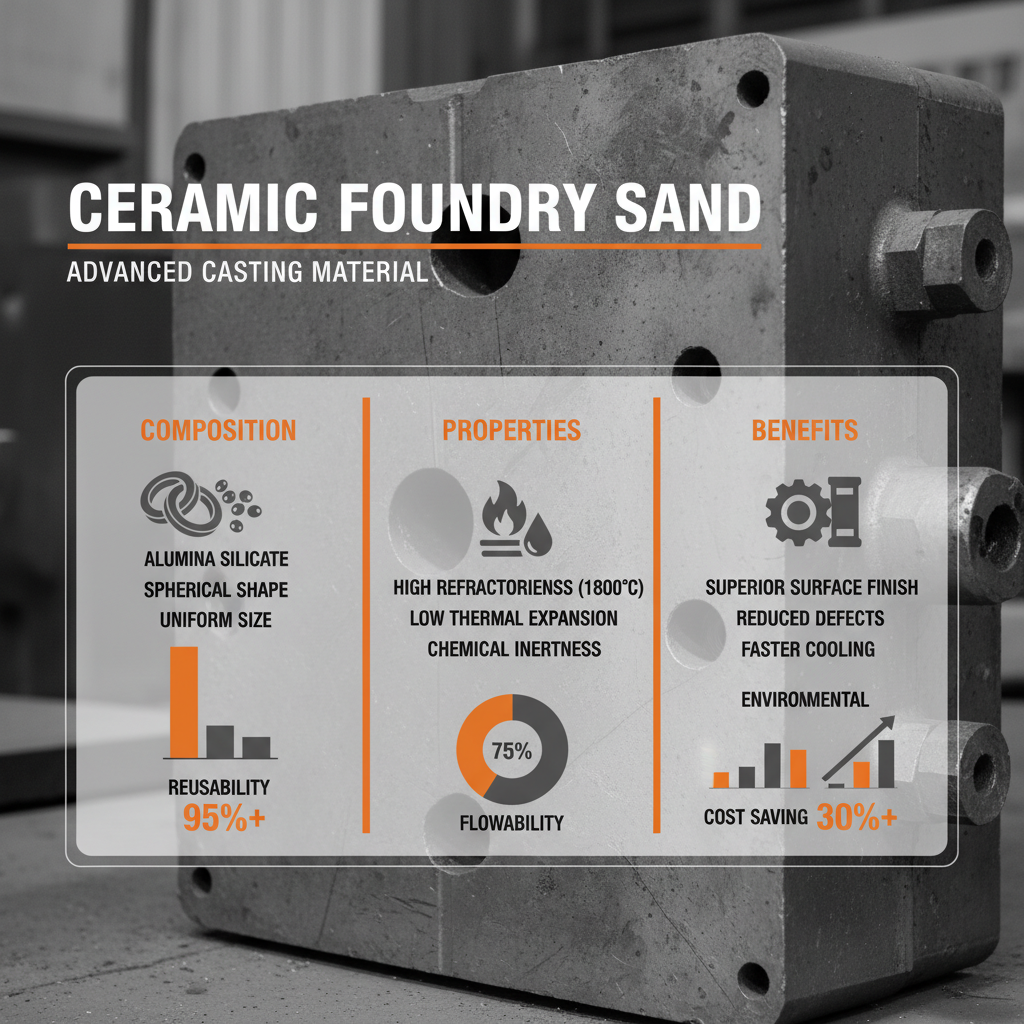
Choosing the appropriate ceramic foundry sand requires careful consideration of several factors. These include the type of metal being cast, the casting process used, the desired surface finish, and the specific mold design. Grain size, grain shape, refractoriness, and permeability are all critical parameters to evaluate. Consulting with a reputable supplier like Sino Ceramics can provide expert guidance and ensure you select the optimal sand for your application.
Conclusion: Investing in Quality Ceramic Foundry Sand
Investing in high-quality ceramic foundry sand is essential for achieving optimal casting results. Its superior properties translate to improved mold life, increased productivity, and enhanced casting quality. By selecting the right sand and partnering with a reliable supplier, foundries can optimize their processes and maintain a competitive edge. Don't compromise on the foundation of your casting process – choose Sino Ceramics for unparalleled quality and performance.
Frequently Asked Questions (FAQs)
What is the typical grain size range for ceramic foundry sand?
The grain size of ceramic foundry sand varies depending on the specific application. Generally, it ranges from 0.1mm to 1.0mm (100 to 1000 microns). Finer grains provide a smoother surface finish but may reduce permeability. Coarser grains offer better permeability but can result in a rougher surface texture. The ideal grain size is determined by the metal being cast, the casting process, and the desired surface quality. Sino Ceramics offers a variety of grain sizes to meet diverse needs.
How is permeability affected in ceramic foundry sand?
Permeability, the ability of gases to escape from the mold, is crucial for successful casting. In ceramic foundry sand, permeability is influenced by grain size, grain shape, and the amount of binder used. Finer grains and higher binder content generally reduce permeability. Proper sand preparation, including thorough mixing and adequate venting, is essential to maintain optimal permeability. Choosing a sand with appropriate grain size and minimizing binder usage can also enhance gas passage.
What are the storage recommendations for ceramic foundry sand?
Ceramic foundry sand should be stored in a dry, covered area to prevent moisture absorption and contamination. Exposure to moisture can reduce permeability and compromise the sand's performance. It’s also important to protect the sand from foreign materials like metal chips or organic debris. Proper storage ensures the sand maintains its quality and consistency, leading to more reliable casting results.
Is ceramic foundry sand environmentally friendly?
Ceramic foundry sand is generally considered environmentally friendly compared to some other molding materials. Silica sand is abundant, and the manufacturing process produces minimal hazardous waste. Furthermore, ceramic sand can be recycled and reused in some applications, reducing waste disposal. However, proper dust control measures are essential during handling and processing to protect worker health and the environment.
Next:Understanding the Different Types of Sand in Foundry for Metal Casting