
Introduction to Ceramsite: Advanced Ceramic Foundry Solutions
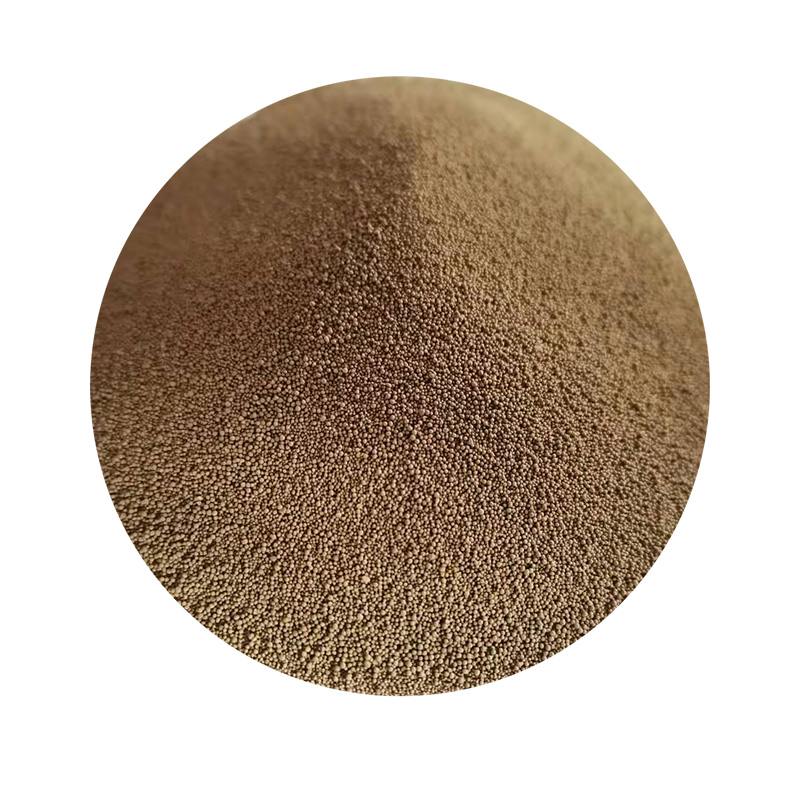
In the demanding landscape of modern industrial casting, the choice of foundry sand significantly impacts casting quality, operational efficiency, and environmental footprint. This article delves into the transformative capabilities of ceramsite, a high-performance ceramic foundry sand that is revolutionizing precision casting. As a leading alternative to traditional silica sand, ceramsite offers unparalleled thermal stability, spherical grain shape, and chemical inertness, making it indispensable for complex and high-integrity casting applications across various sectors. Our focus here is on its technical superiority, diverse applications, and the robust manufacturing processes that ensure its consistent quality.
The demand for advanced foundry materials is driven by the need for ever-increasing precision, reduced defect rates, and enhanced sustainability. Conventional foundry sands often struggle with issues such as thermal expansion leading to casting defects, poor flowability, and environmental concerns related to silica dust. Ceramsite, also known as cerabeads or cerabead sand, addresses these challenges head-on, providing foundries with a superior solution that optimizes performance and economic viability. Its uniform spherical shape ensures excellent compaction and permeability, critical for minimizing casting defects and achieving intricate geometries.
Detailed Manufacturing Process Flow of Ceramsite
The production of high-quality ceramsite involves a sophisticated, multi-stage process designed to achieve its characteristic spherical shape, high refractoriness, and controlled particle size distribution. This engineered material is not simply mined; it is meticulously manufactured from selected raw materials, ensuring consistent performance crucial for advanced casting operations.
Key Process Steps:
- 1. Raw Material Selection and Preparation: The process begins with carefully selected bauxite or other alumina-silicate minerals. These raw materials undergo crushing, grinding, and blending to achieve a fine, homogeneous powder. Strict control over mineralogical composition is essential to ensure the final product's thermal and chemical properties.
- 2. Mixing and Granulation: The prepared raw material powder is then mixed with binders and water in precise ratios to form a consistent slurry. This slurry is subsequently introduced into granulation equipment, such as disc pelletizers or rotary drums. Through a controlled rolling action, the material forms small, spherical green pellets. The size and uniformity of these green pellets are critical for the subsequent firing stage.
- 3. Drying: The green pellets, containing moisture from the granulation process, are gently dried in rotary dryers. This step removes excess water, preventing thermal shock and cracking during the high-temperature firing stage, thus maintaining the spherical integrity.
- 4. Sintering (High-Temperature Firing): This is the most critical stage. The dried pellets are fed into a rotary kiln or shaft furnace where they are subjected to extremely high temperatures, typically ranging from 1300°C to 1600°C. During sintering, the raw materials undergo vitrification and fusion, transforming into dense, hard, and highly refractory ceramic spheres. The precise temperature profile and residence time in the kiln determine the final strength, refractoriness, and porosity of the ceramsite.
- 5. Cooling: After sintering, the hot ceramic spheres are gradually cooled to prevent thermal shock and ensure structural integrity. This is often done in a rotary cooler or fluidized bed cooler.
- 6. Screening and Classification: The cooled cerabeads are then screened through a series of sieves to separate them into precise particle size distributions (AFS values). This ensures the product meets specific foundry requirements, offering consistent permeability and compactability. Oversized or undersized particles may be reprocessed.
- 7. Quality Control and Packaging: Throughout the entire process, rigorous quality control checks are performed. This includes monitoring raw material composition, granulation uniformity, firing temperatures, and final product parameters such as refractoriness, bulk density, crushing strength, and chemical composition. Products conforming to international standards like ISO and ANSI are then packaged for shipment.
This meticulous manufacturing process ensures that ceramsite, including cerabead sand, possesses a long service life and delivers superior performance in challenging foundry environments, particularly in target industries such as petrochemical, metallurgy, automotive, and heavy machinery manufacturing. Its advantages, such as energy saving through reduced binder consumption and superior corrosion resistance, stem directly from this carefully engineered production.
Technical Specifications and Parameters of Ceramsite
Understanding the precise technical parameters of ceramsite is crucial for engineers and procurement specialists to select the optimal grade for their specific casting requirements. This material is engineered to outperform traditional silica and chromite sands in several key metrics.
Typical Product Specifications (Ceramic Foundry Sand)
| Parameter | Value/Range | Significance |
|---|---|---|
| AFS Grain Fineness Number (GFN) | 20-100 (Commonly 30, 40, 50, 70) | Indicates average grain size. Higher GFN means finer sand, suitable for smoother surface finishes and intricate castings. |
| Refractoriness | ≥ 1790 °C | Resistance to high temperatures without melting or breaking down, preventing metal penetration and burn-on. |
| Bulk Density | 1.85 - 2.05 g/cm³ | Higher density compared to silica sand, contributing to better thermal conductivity and reduced binder usage. |
| True Specific Gravity | 3.2 - 3.4 g/cm³ | Measure of the material's density, indicating its inherent compactness. |
| Thermal Expansion | Very low (approx. 0.05% at 1000 °C) | Minimizes casting defects like scabbing and veining caused by mold expansion during pouring. |
| Loss on Ignition (LOI) | ≤ 0.5% | Indicates minimal organic impurities, ensuring stable performance and reduced gas evolution during casting. |
| Acid Demand Value (ADV) | ≤ 25 ml | Low ADV indicates chemical inertness, reducing consumption of resin binders and improving cure rates. |
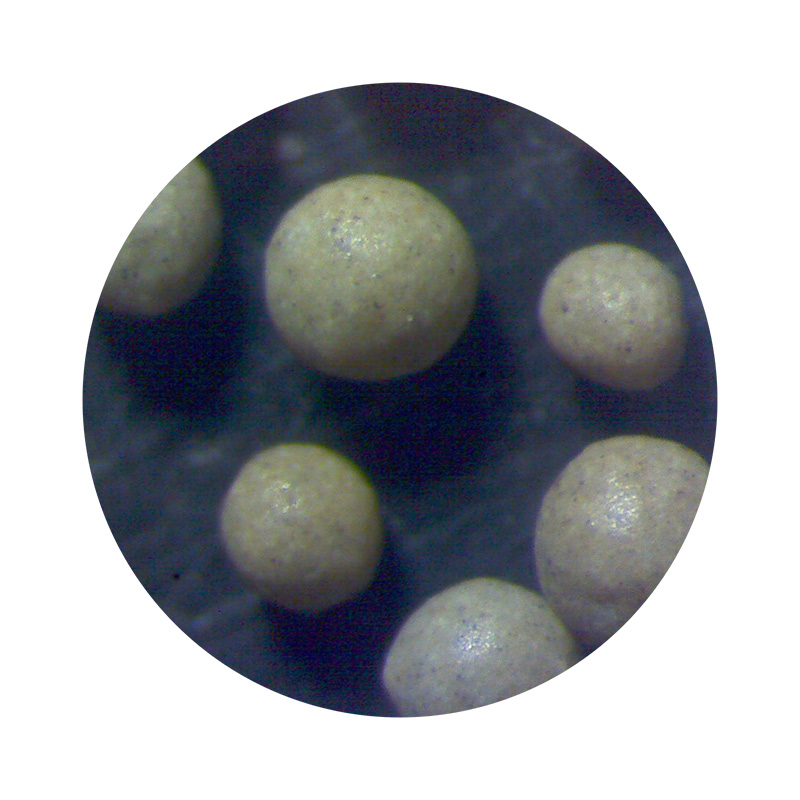
| Angularity (Roundness) | Spherical (Optimal for flowability and compaction) | Contributes to excellent flowability, reduced binder usage, and superior surface finish. |
| Chemical Composition (Approx.) | Al2O3: 70-76%, SiO2: 20-25%, Fe2O3: ≤1% | High alumina content provides excellent refractoriness and chemical stability. |
These specifications highlight why cerabead or ceramsite is an advanced material. Its low thermal expansion significantly reduces casting defects, translating to fewer rejections and higher yield rates. The high refractoriness ensures stability even with high-temperature alloys, while its spherical shape minimizes binder requirements and improves mold strength and permeability. This leads to cleaner castings, better surface finish, and reduced post-processing costs.
Industry Trends and Market Dynamics for Ceramic Foundry Sand
The global foundry industry is experiencing a paradigm shift, driven by increasing demands for higher quality castings, stringent environmental regulations, and the adoption of advanced manufacturing techniques. This confluence of factors is fueling a significant growth in the market for high-performance foundry sands like ceramsite.
- Shift Towards High-Precision Casting: Industries such as aerospace, automotive, and medical equipment require castings with extremely tight tolerances and superior surface finishes. Traditional sands often fall short, leading to a greater reliance on engineered solutions like cerabeads.
- Environmental Compliance: Concerns over respirable crystalline silica (RCS) dust associated with silica sand are driving foundries to seek safer alternatives. Ceramsite is non-siliceous and produces significantly less dust, contributing to a healthier work environment and easier compliance with occupational safety standards (e.g., OSHA, EU directives).
- Cost-Efficiency Through Performance: While the initial cost of cerabead sand may be higher than silica, its superior performance translates into significant long-term savings. Reduced binder usage, lower defect rates, less re-work, and prolonged mold life contribute to a compelling total cost of ownership (TCO) argument.
- Recyclability and Sustainability: The high durability and spherical shape of ceramsite allow for extensive recycling within the foundry, reducing waste and the need for new material. This aligns with global sustainability goals and circular economy principles.
- Adaptation to Additive Manufacturing: As 3D sand printing gains traction, materials with excellent flowability and thermal stability are paramount. Ceramsite's spherical geometry makes it an ideal candidate for such advanced manufacturing processes, enabling intricate core and mold production.
These trends underscore the growing importance of advanced foundry materials. The market for ceramic foundry sands is projected to expand steadily, with innovation in product development and application engineering being key drivers for growth.
Application Scenarios and Technical Advantages
The unique properties of ceramsite make it highly versatile across a spectrum of demanding casting applications. Its technical advantages translate directly into enhanced product quality and operational efficiencies.
Typical Application Scenarios:
- Automotive Industry: Used for engine blocks, cylinder heads, crankshafts, and transmission components where dimensional accuracy and surface finish are critical.
- Aerospace and Defense: Ideal for high-integrity castings requiring excellent mechanical properties and resistance to extreme temperatures, often involving superalloys.
- Heavy Machinery and Construction: For large, complex parts where robust molds are needed to prevent metal penetration and produce sound castings.
- Petrochemical and Energy: In casting components for valves, pumps, and turbines that operate under high pressure and corrosive environments.
- Precision Castings: For intricate designs and thin-walled components where fluidity and non-wetting properties of the sand are paramount.
- Investment Casting (Shell Molds): As a highly refractory material for backing shells, reducing shell defects.
Technical Advantages:
- Superior Refractoriness: Withstands temperatures up to 1790°C without breaking down, preventing metal penetration, burn-on, and fusion, even with high-alloy steels and exotic metals.
- Low Thermal Expansion: Extremely low and linear thermal expansion minimizes casting defects such as scabbing, veining, and rat tails, leading to improved dimensional accuracy and surface finish. This directly reduces post-casting machining.
- Spherical Grain Shape: The near-perfect spherical shape of cerabead sand ensures excellent flowability, compaction density, and permeability. This reduces binder consumption by 30-50% compared to angular sands, leading to energy savings and reduced gas evolution.
- High Strength and Durability: Each grain of ceramsite is exceptionally strong, resisting crushing during mold compaction and thermal shock during pouring. This ensures mold integrity and allows for high reclamation rates.
- Chemical Inertness: Its stable chemical composition (high Al2O3 content) ensures minimal reaction with molten metal and binders, reducing surface defects and improving overall casting quality. It's also suitable for various binder systems (resin, inorganic, CO2 process).
- Environmental and Health Benefits: Being non-siliceous, ceramsite eliminates concerns associated with free silica dust, providing a safer working environment for foundry personnel and easier compliance with environmental regulations.
Vendor Comparison and Market Position
Choosing the right supplier for ceramsite is as critical as selecting the material itself. A reputable vendor offers not only high-quality products but also consistent supply, technical support, and the ability to customize solutions.
Key Differentiation Factors:
| Feature | Leading Manufacturer (e.g., Sinoceramsite) | Generic/Smaller Vendor |
|---|---|---|
| Manufacturing Capacity & Consistency | Largest manufacturer in China, state-of-the-art production lines, robust QC, consistent product quality (AFS, chemistry). | Limited capacity, variable quality due to less stringent QC, potential for inconsistent supply. |
| Raw Material Sourcing | Exclusive access to high-purity bauxite, ensuring optimal Al2O3 content and low impurities. | Diverse and potentially lower-grade sources, leading to inconsistent product chemistry. |
| Technical Support & Expertise | Dedicated R&D, application engineers, on-site support, customized solutions for specific casting challenges. | Minimal or no technical support, limited problem-solving capabilities. |
| Certifications & Standards | ISO 9001, ISO 14001, adherence to industry standards (e.g., AFS, EN), audited production. | May lack comprehensive certifications, reliance on self-declaration. |
| Logistics & Supply Chain | Global distribution network, efficient logistics, reliable lead times, strategic partnerships. | Limited distribution, potential for delays, less reliable delivery. |
As the largest manufacturer of ceramic foundry sand in China, our commitment to rigorous quality control, significant investment in R&D, and extensive global distribution network positions us as a premier partner for foundries worldwide. We specialize in producing cerabeads that meet the highest international standards, ensuring optimal performance for our clients.
Customized Solutions
Recognizing that every foundry operation has unique challenges and requirements, we offer customized ceramsite solutions tailored to specific needs. This bespoke approach ensures that our clients achieve maximum efficiency and casting quality.
- Tailored AFS Grain Fineness: We can provide specific AFS (American Foundry Society) grain fineness numbers to match the desired surface finish, permeability, and compaction requirements for different alloys and casting geometries. For example, finer grains (e.g., AFS 70-100) for smoother finishes, coarser grains (e.g., AFS 20-30) for high permeability and specific applications.
- Specialized Coating Options: While ceramsite is chemically inert, some applications may benefit from specialized coatings (e.g., refractory washes, specific resin pre-coatings) for enhanced non-wetting properties, reduced penetration, or improved compatibility with particular binder systems.
- Optimized Bulk Density: For certain applications, adjustments to the bulk density of cerabead sand can be made to optimize thermal properties or reduce weight in specific mold constructions.
- Binder System Compatibility: Our technical team works with clients to ensure seamless integration of ceramsite with their existing binder systems (e.g., furan, phenolic, alkaline phenolic, inorganic binders), optimizing resin consumption and curing cycles.
- Pilot Testing & On-site Consultation: We offer pilot batches for testing and provide on-site technical consultation to analyze current processes, identify pain points, and recommend the most effective ceramsite solution, often involving small-scale trials and performance monitoring.
This commitment to customization ensures that our cerabeads deliver maximum value and operational excellence for each unique client.
Application Case Studies
Real-world applications demonstrate the tangible benefits of incorporating ceramsite into foundry operations. Here are illustrative examples of how our solutions have positively impacted client performance.
Case Study 1: Automotive Engine Block Casting (Iron Foundry)
- Challenge: A major automotive components manufacturer faced persistent issues with thermal expansion defects (veining, scabbing) and poor surface finish in their complex ductile iron engine block castings using traditional silica sand. This led to high scrap rates and significant post-casting rework.
- Solution: We collaborated with the client to integrate AFS 50 grade cerabead sand for core production, specifically for intricate water jacket and oil gallery cores.
- Results:
- Reduced veining and scabbing defects by 70%.
- Improved surface roughness (Ra) by 25%, significantly reducing shot blasting and grinding.
- Achieved a 35% reduction in furan resin consumption due to the spherical shape and lower surface area of ceramsite.
- Overall scrap rate for this specific component dropped by 12%, leading to substantial cost savings.
- Client Feedback: "The transition to cerabeads has been a game-changer for our engine block line. The consistency and quality are unmatched, and we've seen a direct impact on our bottom line through reduced defects and material usage."
Case Study 2: High-Strength Steel Valve Casting (Steel Foundry)
- Challenge: A steel foundry producing high-integrity valve bodies for the oil and gas industry struggled with metal penetration and burn-on when casting high-temperature, corrosion-resistant steel alloys. Chromite sand was too costly, and silica sand was inadequate.
- Solution: We recommended AFS 40 grade ceramsite for mold and core production due to its superior refractoriness and low thermal expansion.
- Results:
- Eliminated metal penetration and burn-on defects, drastically reducing cleaning and fettling time.
- Improved dimensional accuracy, allowing for tighter machining tolerances.
- Reduced total binder consumption by 20% compared to their previous system with chromite sand.
- Achieved a 95% reclamation rate for the ceramsite, significantly lowering new sand purchases.
- Client Feedback: "Using cerabead sand has not only improved the quality of our critical valve castings but also provided a significant economic advantage over chromite. The technical support we received for implementation was exceptional."
Ensuring Trust: Certifications, Warranty, and Support
Building and maintaining trust with B2B clients requires more than just a superior product; it demands a robust framework of quality assurance, reliable logistics, and comprehensive after-sales support.
Authoritative Certifications & Quality Assurance:
- ISO 9001:2015 Certified: Our manufacturing processes for ceramsite adhere to the highest international standards for quality management, ensuring consistent product excellence.
- ISO 14001:2015 Certified: Commitment to environmental management systems, minimizing our ecological footprint in the production of cerabeads.
- Adherence to AFS Standards: All batches of ceramsite are tested and certified to meet relevant American Foundry Society (AFS) standards for grain fineness, purity, and other critical parameters.
- Comprehensive Testing: Each production run undergoes rigorous in-house testing, including chemical analysis (XRF), thermal expansion, refractoriness, bulk density, crushing strength, and grain shape analysis to ensure specifications are consistently met. Test reports are available upon request.
- Long-standing Partnerships: We have cultivated partnerships with leading foundries globally for over two decades, a testament to our reliability and product quality.
Warranty and Lead Time:
- Product Warranty: We guarantee that our ceramsite will meet the specified technical parameters and quality standards as per the agreed-upon purchase order for a period of 12 months from the date of shipment, provided it is stored and handled appropriately.
- Lead Time & Fulfillment: Our standard lead time for most grades of cerabead sand is 2-4 weeks for orders up to 500 MT, depending on order size and current production schedule. Expedited options are available upon request. We maintain strategic inventory levels to support urgent requirements. Custom orders may require longer lead times, which will be communicated clearly during the quotation process.
Customer Support:
- Dedicated Account Management: Each client is assigned a dedicated account manager to ensure personalized service and seamless communication from order placement to delivery.
- Technical Service Team: Our experienced technical service team provides expert assistance for product selection, application optimization, troubleshooting, and process integration for cerabeads. This includes remote support and, when necessary, on-site visits.
- 24/7 Online Support: We offer continuous online support for general inquiries and technical assistance through our website and email channels, ensuring timely responses to client needs.
- Logistics & Documentation: Full support for international shipping, customs documentation, and delivery tracking is provided to ensure smooth and timely receipt of orders.
Frequently Asked Questions (FAQ)
-
Q: What is the primary advantage of ceramsite over silica sand?
A: Ceramsite offers significantly higher refractoriness, very low thermal expansion, a spherical grain shape, and is non-siliceous. These properties lead to superior casting quality, fewer defects, reduced binder consumption, and a safer working environment compared to silica sand. -
Q: Can ceramsite be used with all types of metals and binder systems?
A: Yes, its high refractoriness and chemical inertness make ceramsite suitable for a wide range of ferrous and non-ferrous metals, including high-alloy steels, ductile iron, and aluminum. It is also compatible with most common organic (furan, phenolic, alkaline phenolic) and inorganic binder systems. -
Q: Is ceramsite environmentally friendly and safe for workers?
A: Absolutely. Ceramsite is a synthetic ceramic material that contains no free crystalline silica, eliminating the health risks associated with silica dust. Its high recyclability also contributes to environmental sustainability by reducing waste. -
Q: What reclamation rates can be expected for cerabead sand?
A: Due to its inherent durability and spherical shape, cerabead sand typically achieves very high reclamation rates, often exceeding 90-95% when processed through mechanical or thermal reclamation systems. This significantly reduces new sand consumption and disposal costs. -
Q: How does the cost of ceramsite compare to other foundry sands?
A: While the upfront purchase price of ceramsite is higher than silica sand, its superior performance leads to substantial cost savings in the long run. These savings come from reduced binder usage, lower scrap rates, less post-processing, and high reclamation, resulting in a favorable total cost of ownership (TCO). It typically offers a cost-effective alternative to chromite and zircon sands.
Conclusion
The evolution of foundry technology demands advanced materials that can meet stringent quality, efficiency, and environmental standards. Ceramsite stands at the forefront of this evolution, offering a compelling blend of technical superiority, operational benefits, and environmental responsibility. Its proven performance in diverse and challenging casting applications underscores its value as a premier ceramic foundry sand. By partnering with a leading manufacturer committed to quality, innovation, and customer support, foundries can leverage the full potential of cerabeads to achieve unparalleled casting excellence and sustain long-term growth.
References
- Modern Casting Magazine. (Various issues). American Foundry Society.
- ASM Handbook, Volume 15: Casting. (1988). ASM International.
- International Journal of Cast Metals Research. (Peer-reviewed academic journal).
- Occupational Safety and Health Administration (OSHA) Fact Sheet: Respirable Crystalline Silica. (www.osha.gov).
- European Foundry Association (CAEF) publications on environmental regulations. (www.caef.eu).
Next:High Refractoriness Ceramsite Foundry Sand- Shenghuo New Material Technology Co., Ltd.&High Refractoriness Low Thermal Expansion