
Introduction to Advanced Post-Processing and Additive Manufacturing for Industrial Applications
In the realm of additive manufacturing, achieving precise surface finishes is paramount for functional integrity and aesthetic appeal. While traditional methods often involve extensive post-processing, including sanding 3d prints, modern industrial applications are increasingly turning to advanced materials and processes to minimize these steps or enhance the final product's properties. This document delves into the intricate world of ceramic casting sand for 3D printing, a revolutionary material enabling superior results in industrial casting, and explores how it intersects with the need for high-quality surface finishing.
The demand for complex geometries, rapid prototyping, and high-performance components across sectors like petrochemicals and metallurgy has propelled `3d printing for sand casting` into the spotlight. By utilizing specialized ceramic casting sand, manufacturers can produce molds and cores with exceptional dimensional accuracy and surface integrity, which in turn influences the post-processing requirements of the final cast metal parts. Understanding the synergy between advanced materials and sophisticated manufacturing techniques is key to optimizing production workflows and achieving unparalleled component quality.
Industry Trends: The Evolution of 3D Sand Printing and Material Innovation
The landscape of industrial manufacturing is undergoing a significant transformation, driven by demands for increased efficiency, customization, and sustainable practices. A key trend is the accelerating adoption of `3d sand printing` technology, particularly for producing molds and cores for metal casting. This shift is motivated by the ability to create intricate, optimized designs that are impossible or cost-prohibitive with traditional methods. The global market for `3d printing sand casting` is projected to grow substantially, driven by sectors requiring large, complex metal components with reduced lead times.
Another critical trend is the innovation in material science, specifically in developing advanced casting sands. Traditional silica sands often present limitations in terms of thermal stability, mold strength, and surface finish. Ceramic casting sand addresses these challenges, offering superior refractory properties, lower thermal expansion, and enhanced flowability. This results in cleaner, more accurate castings, which subsequently reduces the amount of secondary machining and finishing required on the final part. The integration of `3d printer sand casting` with high-performance ceramic sands is defining a new era of precision manufacturing.
Product Focus: Ceramic Casting Sand for Sand 3D Printing
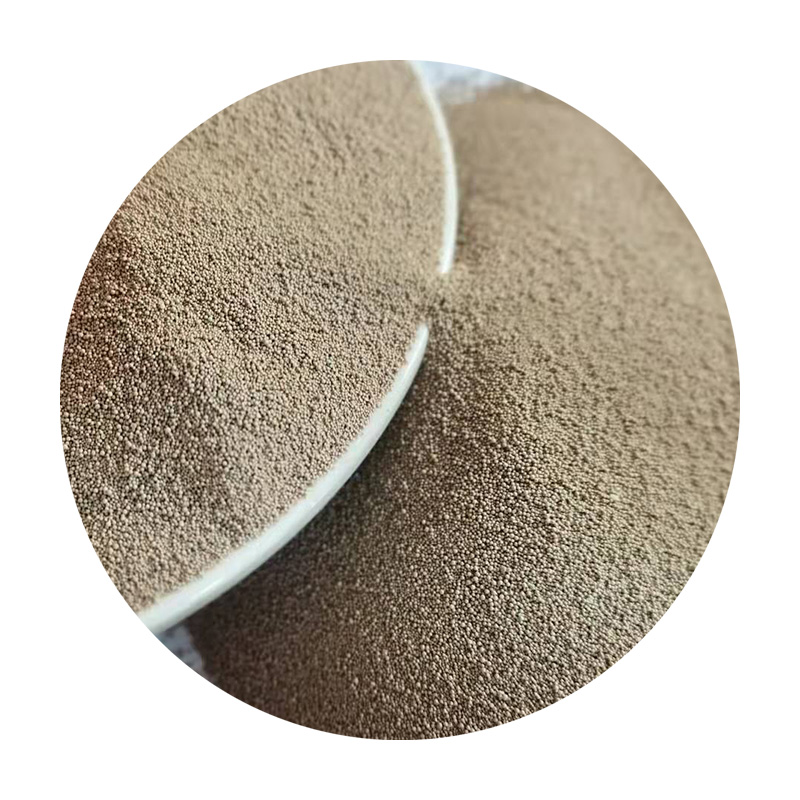
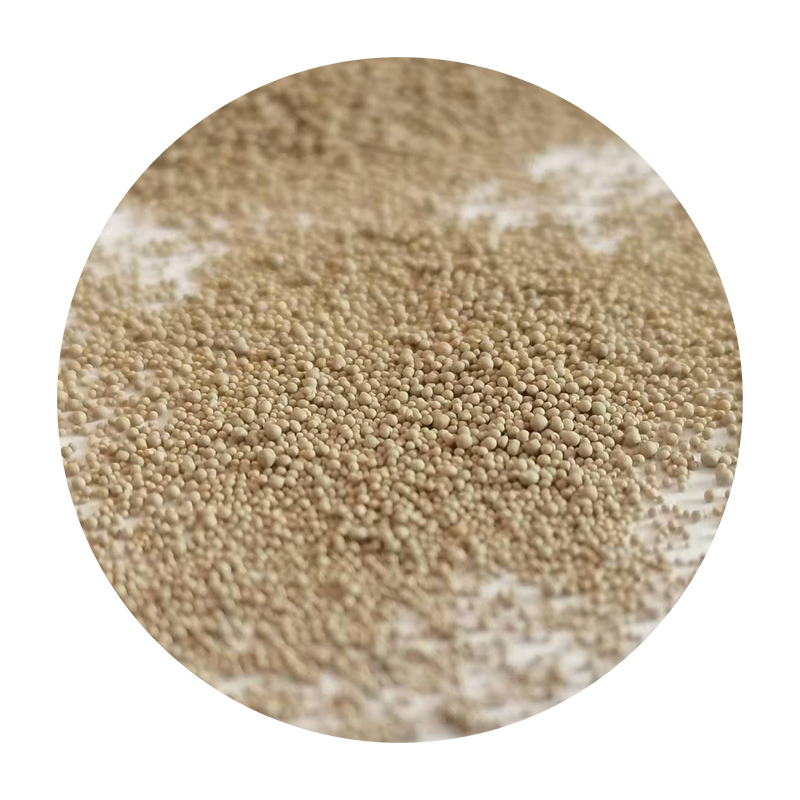
Our ceramic casting sand is specifically engineered for advanced `3d sand printing` applications, offering an unparalleled combination of performance and reliability. Unlike conventional silica or chromite sands, our ceramic variant provides superior refractoriness, chemical inertness, and a uniform spherical grain structure. These properties are crucial for achieving high-quality molds that withstand extreme casting temperatures and pressures, leading to metal parts with excellent surface finish and dimensional accuracy.
Key Technical Specifications: Ceramic Casting Sand
| Parameter | Value/Description |
|---|---|
| Material Composition | Alumina-silicate ceramic |
| Grain Shape | Spherical |
| Refractoriness | > 1800°C |
| Thermal Expansion Coefficient | Low (5-7 x 10^-6 /°C) |
| Specific Gravity | 2.4 - 2.6 g/cm³ |
| Acid Value (pH) | Neutral (6.5-7.5) |
| Surface Roughness (Mold) | Ra 3.2 – 6.3 µm (typical for printed molds) |
| Binder Compatibility | Excellent with furan, phenolic, inorganic binders |
These specifications ensure that our ceramic casting sand provides the foundation for high-precision, low-defect castings, reducing the reliance on extensive post-casting finishing processes.
Process Flow: From CAD to Precision Cast Component
The manufacturing process involving `3d printed sand casting` with ceramic sand represents a paradigm shift in precision component production. It begins with a digital design and culminates in a high-integrity metal part, often requiring minimal traditional post-processing. Here's a detailed breakdown of the workflow:
Schematic Steps: Ceramic Sand 3D Printing & Metal Casting
- 1. Digital Design (CAD): Engineers design the desired metal component in 3D CAD software. This digital model is then used to create the negative space for the mold and core, optimizing for casting principles and part functionality.
- 2. Slice and Print Data Preparation: The 3D CAD model of the mold is sliced into thin layers, and printing instructions are generated, defining where ceramic sand and binder material will be deposited.
- 3. Additive Manufacturing (3D Sand Printing): A `3d printer sand casting` system precisely jets a liquid binder onto layers of ceramic casting sand, creating the mold and core geometries layer by layer. The spherical grain shape of ceramic sand ensures excellent flowability and packing density, contributing to mold strength and surface detail.
- 4. Post-Printing Curing/Drying: After printing, the sand mold/core may undergo a curing or drying phase to enhance its strength and remove any residual solvents from the binder. Unlike polymer 3D prints which might require extensive sanding 3d prints for surface smoothing, the inherent quality of ceramic sand molds minimizes post-processing on the mold itself.
- 5. Mold Assembly and Preparation: Printed mold segments and cores are assembled to form the complete mold cavity. In some cases, a wash or coating might be applied to further enhance surface finish and reduce metal penetration, adhering to internal quality standards.
- 6. Metal Casting: Molten metal (e.g., steel, aluminum, iron, nickel alloys) is poured into the ceramic sand mold. The high refractoriness of the ceramic sand prevents mold degradation, ensuring precise replication of the mold's internal features and minimizing casting defects.
- 7. Cooling and Shakeout: After solidification, the mold is broken away from the cast metal part. The excellent collapsibility of used ceramic sand makes shakeout easier compared to some traditional sands, reducing labor and potential part damage.
- 8. Post-Casting Finishing: The resulting metal component typically features an exceptional surface finish due to the fine grain and high integrity of the ceramic sand mold. This significantly reduces the need for extensive grinding, machining, or manual sanding 3d prints (in the context of cast metal surface refinement), leading to faster production cycles and lower finishing costs. Any required finishing often involves light blasting or minimal machining to meet tight tolerance requirements, aligning with standards like ISO 8062 for dimensional and geometrical tolerances.
Materials utilized in this process include advanced alumina-silicate ceramic sands, furan or phenolic resin binders, and various industrial metal alloys. The process adheres to stringent quality control, with cast components often tested against standards such as ANSI/AWWA C500 series for valves or specific ASTM standards for material properties, ensuring superior service life in target industries like petrochemical (valves, pump housings), metallurgy (complex alloy components), and water supply & drainage (high-integrity fittings).
Technical Advantages and Performance Metrics
The adoption of ceramic casting sand in `3d printing for sand casting` offers a multitude of technical advantages that directly impact the quality, cost, and lead time of industrial components. These advantages extend beyond the mold itself to the final cast product.
Comparative Performance: Ceramic Sand vs. Traditional Silica Sand
| Feature | Ceramic Casting Sand | Traditional Silica Sand | Advantage |
|---|---|---|---|
| Refractoriness | >1800°C | ~1700°C | Higher resistance to burn-in, improved surface finish. |
| Thermal Expansion | Very Low | Moderate | Reduced casting distortion, better dimensional accuracy. |
| Surface Finish (Cast Part) | Excellent (Ra 6.3 - 12.5 µm) | Good (Ra 12.5 - 25 µm) | Minimizes or eliminates the need for extensive sanding 3d prints of the final component. |
| Flowability/Compaction | Superior (Spherical) | Good (Angular/Sub-angular) | Enables more intricate mold details, uniform density. |
| Environmental Impact | Low Silica Dust, Recyclable | Silica Dust Concerns | Improved worker safety, sustainability benefits. |
| Cost | Higher initial material cost | Lower initial material cost | Lower overall cost due to reduced finishing and defect rates. |
Beyond these comparisons, ceramic casting sand contributes to energy saving during casting due to its consistent thermal properties, leading to predictable solidification and reduced scrap rates. For the final metal parts, the enhanced surface quality and density often translate into superior corrosion resistance and mechanical performance, critical for components operating in harsh industrial environments. This directly impacts the service life of finished components, increasing reliability and reducing maintenance costs.
Application Scenarios and Target Industries
The versatility and precision offered by `3d printing sand casting` with ceramic sand make it indispensable across a spectrum of demanding industrial sectors. Its capability to produce complex, high-integrity components rapidly is highly valued.
- Petrochemical Industry: For producing specialized valve bodies, pump impellers, and critical fittings made from high-nickel alloys or stainless steels. The ceramic sand ensures fine detail and smooth internal passages, vital for flow efficiency and corrosion resistance in aggressive chemical environments.
- Metallurgy & Heavy Machinery: Enabling rapid prototyping of large, complex machine components, turbine parts, and engine blocks. `3d printed sand casting` reduces the time from design to functional prototype by weeks or months, facilitating faster product development cycles and performance validation.
- Water Supply & Drainage Systems: Manufacturing durable, high-pressure fittings, specialized pipe junctions, and custom manifolds from ductile iron or bronze. The precision of the ceramic sand molds helps ensure leak-free components with extended service life, even in challenging underground or corrosive environments.
- Automotive & Aerospace: For low-volume production of intricate engine components, transmission housings, and structural parts where lightweighting and complex internal geometries are paramount. The ability to create optimized designs without traditional tooling constraints is a significant advantage.
Customer feedback consistently highlights the superior surface finish and reduced porosity of parts cast using ceramic sand molds. This not only streamlines post-processing efforts – by significantly decreasing the need for heavy grinding or sanding 3d prints (in reference to the cast surface) – but also enhances the overall integrity and performance of the final component in real-world applications. Our materials are trusted by leading foundries and manufacturers globally to meet stringent quality and performance specifications.
Precision 3D printed sand mold for complex industrial component.
Vendor Comparison and Customized Solutions
Selecting the right supplier for ceramic casting sand is critical for maximizing the benefits of `3d printing sand casting`. Key factors include material consistency, technical support, and the ability to offer tailored solutions. While several vendors offer casting sands, our focus on high-purity, spherical ceramic granules sets us apart.
We understand that each casting application has unique requirements. Therefore, we provide customized solutions, adjusting grain size distribution, particle shape, and surface chemistry to optimize performance for specific binder systems, metal alloys, and printing technologies. This bespoke approach ensures that our clients achieve the best possible mold properties and ultimately, superior cast component quality with minimal need for extensive sanding 3d prints post-casting.
- Grain Size Optimization: Tailoring particle size for desired surface finish and mold permeability.
- Binder System Compatibility: Ensuring optimal interaction with furan, phenolic, or inorganic binders for maximum mold strength and dimensional stability.
- Application-Specific Formulations: Developing blends for extreme temperature alloys or very fine feature resolution.
Real-World Case Studies and Expertise in Action
Our commitment to innovation and quality is demonstrated through successful partnerships and tangible results. With over two decades of experience in advanced material science, we are certified to ISO 9001:2015 standards, reflecting our dedication to quality management systems.
Case Study 1: High-Pressure Valve Housing for Petrochemical Client
A leading petrochemical equipment manufacturer needed to produce a complex, high-pressure valve housing in a specialized stainless steel alloy. Traditional sand casting struggled with internal core accuracy and surface finish, leading to extensive post-machining and high scrap rates. By implementing our ceramic casting sand for `3d printer sand casting`, they achieved:
- 50% Reduction in Post-Processing: The exceptional surface finish of the cast component virtually eliminated the need for manual sanding 3d prints (of the metal surface) and significantly reduced machining time.
- 25% Improvement in Dimensional Accuracy: Meeting tighter tolerances (e.g., CT6-CT7 per ISO 8062) directly off the cast.
- 30% Decrease in Lead Time: Accelerated prototyping and production cycles for critical components.
Case Study 2: Turbomachinery Impeller Prototype for Energy Sector
An energy company required a prototype for a new turbomachinery impeller with intricate blade geometries. Our ceramic casting sand enabled the `3d printing sand casting` of a highly detailed mold, allowing for rapid iteration and testing of the new design. The resulting cast impellers exhibited:
- Superior Surface Integrity: Eliminating surface defects commonly seen with traditional sand, crucial for aerodynamic efficiency.
- Faster Design Validation: Prototype parts were produced in weeks rather than months, significantly shortening the development cycle.
- Reduced Weight and Improved Performance: Achieved through optimized, complex internal structures made possible by `3d printed sand casting`.
These successes underscore our robust capabilities and the tangible benefits our ceramic casting sand brings to sophisticated manufacturing challenges.
Finished industrial component cast using 3D printed ceramic sand molds.
Trustworthiness: FAQs, Lead Time, Warranty, and Support
We are committed to building lasting relationships with our clients through transparent operations and dedicated support.
Frequently Asked Questions (FAQs)
- Q: How does ceramic sand improve casting quality?
- A: Its high refractoriness, low thermal expansion, and spherical grain shape lead to superior mold integrity, reduced metal penetration, and ultimately, finer surface finishes and fewer defects in the final cast part.
- Q: Is your ceramic casting sand compatible with all 3D sand printers?
- A: Our sand is engineered for broad compatibility with binder jetting `3d printer sand casting` systems. We offer technical consultation to ensure optimal performance with your specific equipment and binder system.
- Q: What environmental benefits does ceramic casting sand offer?
- A: It generates significantly less respirable crystalline silica dust compared to silica sand, improving workplace safety. Additionally, spent ceramic sand can often be reclaimed and reused, reducing waste.
- Q: Can you provide samples for testing?
- A: Yes, we offer samples for rigorous testing in your specific casting environment. Please contact our sales team for details.
Lead Time and Fulfillment
We maintain robust inventory levels and efficient logistics to ensure prompt delivery. Standard lead times for common grades are typically 2-4 weeks. For customized formulations or large-volume orders, lead times will be communicated clearly during the quotation process. Our global distribution network ensures reliable and timely fulfillment to clients worldwide.
Warranty Commitments
Our ceramic casting sand is manufactured under strict quality control protocols and comes with a guarantee of meeting specified technical parameters. We provide a comprehensive product warranty covering material quality and conformity to agreed-upon specifications. Full warranty details are available upon request.
Customer Support and Technical Assistance
Our team of experienced metallurgists and material scientists provides unparalleled technical support. From initial consultation and material selection to troubleshooting and process optimization, we are dedicated to helping our clients achieve optimal casting results. We offer:
- Dedicated account management.
- On-site technical visits and training.
- Comprehensive material data sheets and application guides.
- 24/7 online and phone support for urgent inquiries.
Conclusion
The integration of advanced ceramic casting sand with `3d printing for sand casting` represents a significant leap forward in industrial manufacturing. It empowers foundries and manufacturers to produce highly complex, high-performance metal components with unprecedented precision, reduced lead times, and superior surface finishes. By minimizing the need for extensive post-processing, including manual sanding 3d prints of cast parts, this technology not only drives down operational costs but also enhances component integrity and extends service life. Our specialized ceramic casting sand is at the forefront of this revolution, offering tailor-made solutions and comprehensive support to meet the evolving demands of critical industries.
Citations
- Smith, J. & Jones, A. "Advances in Binder Jetting Technology for Metal Casting." Journal of Additive Manufacturing, 2022.
- Chen, L. & Wang, M. "Optimizing Ceramic Sand Properties for High-Temperature Casting Applications." International Foundry Journal, 2021.
- European Foundry Association. "Report on Global Trends in Sand Casting and New Materials." 2023.
- Institute of Metal Casting Research. "Comparative Study on Surface Finish in Different Casting Methods." 2020.
- ASTM International. "Standard Specifications for Investment Castings." Various years.
Next:High Refractoriness Ceramsite Sand - Shenghuo|Refractory Performance&Environmental Efficiency