
Understanding Parting Sand in Foundry Processes
The foundry industry relies on intricate processes to create metal castings. A critical element in this process is parting sand in foundry applications. This specialized sand facilitates the removal of the pattern from the mold, ensuring a clean and accurate casting. Choosing the right parting sand is crucial for achieving high-quality castings, minimizing defects, and optimizing production efficiency. This article delves into the properties, applications, and importance of parting sand, providing a comprehensive guide for foundry professionals. Sinoceramsite offers high-quality parting sand solutions designed to meet the diverse needs of modern foundries.
What is Parting Sand and Why is it Important?
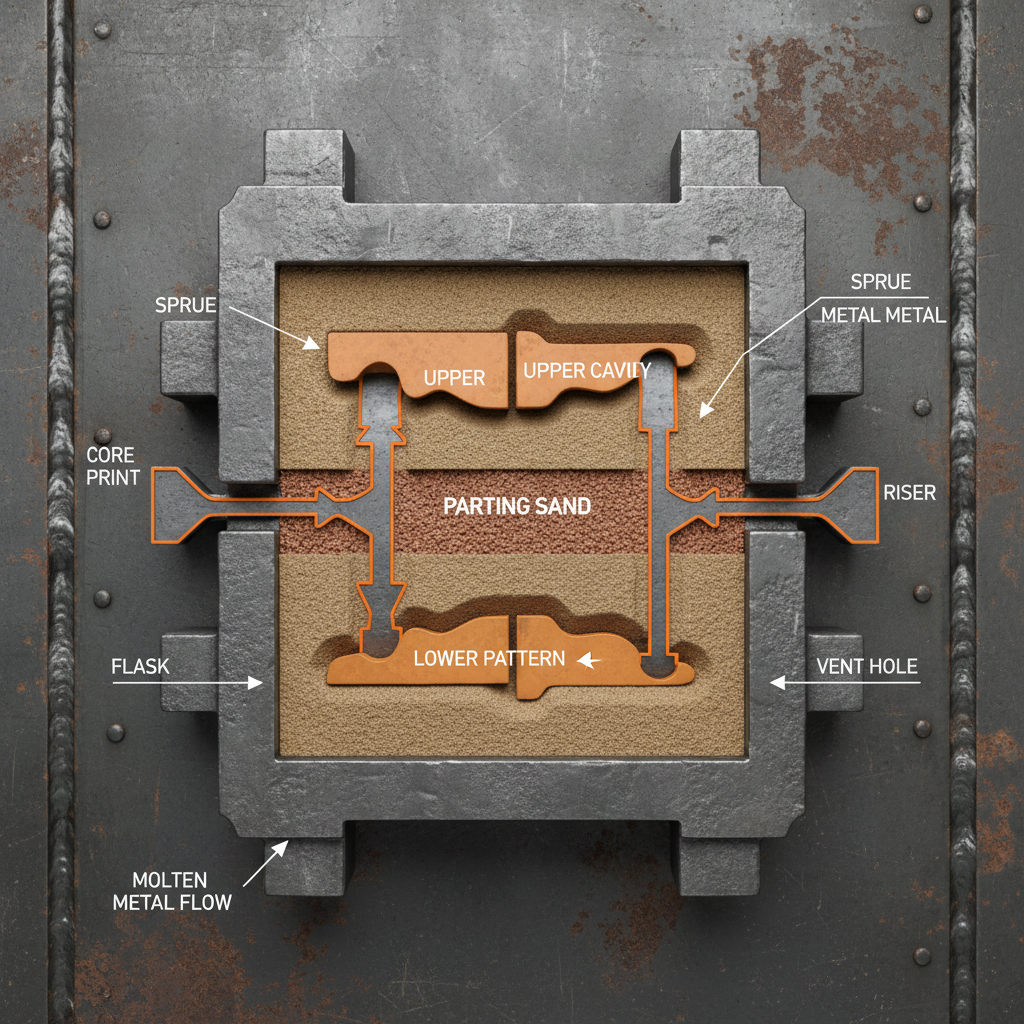
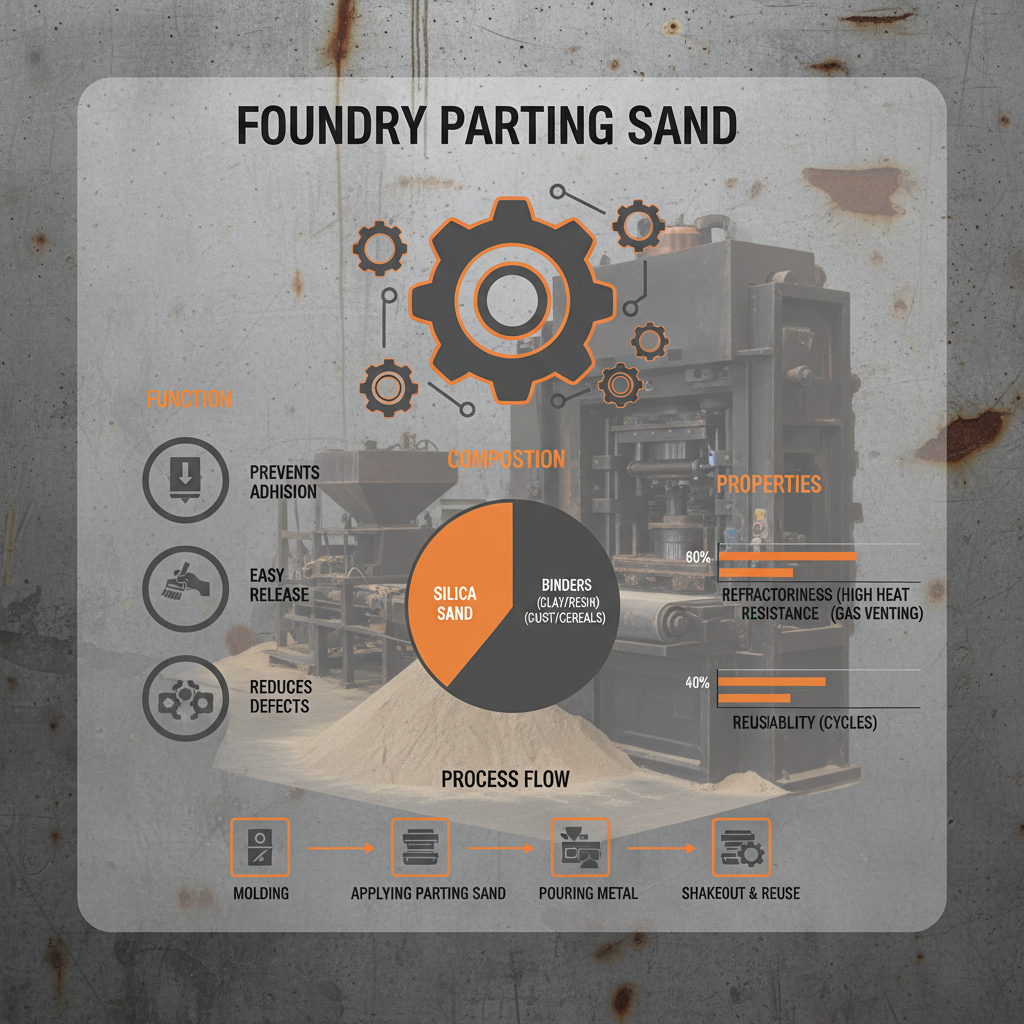
Parting sand is a finely graded sand applied to the cope and drag halves of a mold before closing. It creates a thin, easily breakable layer preventing the mold halves from sticking together during pattern removal. Without effective parting sand, removing the pattern would likely damage the mold cavity, leading to casting defects. Its primary functions include preventing mold sticking, facilitating easy pattern withdrawal, and maintaining dimensional accuracy of the casting. The quality of the parting sand directly impacts the surface finish and overall integrity of the final product.
Key Benefits: Prevents mold sticking, easy pattern removal, maintains dimensional accuracy, and improves surface finish.
Key Properties of Effective Parting Sand
The effectiveness of parting sand hinges on several key properties. These include grain size, shape, cohesiveness, and moisture content. Ideally, parting sand should have a very fine and uniform grain size to create a consistent separation layer. Rounded grains minimize abrasion during pattern removal. Low cohesiveness prevents the sand from bonding strongly to the mold, and appropriate moisture content aids in application and maintains the desired separation. Sinoceramsite's parting sand is engineered to meet these exacting standards, ensuring optimal performance in diverse foundry applications.
Essential Properties:
• Fine & Uniform Grain Size
• Rounded Grain Shape
• Low Cohesiveness
• Controlled Moisture Content
Comparing Different Types of Parting Sand
Several types of sand can be used as parting agents, each with its advantages and disadvantages. Common options include silica sand, zircon sand, and olivine sand. Silica sand is widely available and cost-effective, but its lower thermal stability can lead to breakdown at high temperatures. Zircon sand offers superior thermal stability and is ideal for demanding applications, but it's more expensive. Olivine sand provides a balance between cost and performance. The choice depends on the specific casting process, metal type, and desired casting quality.
Application Techniques for Parting Sand
Proper application of parting sand is vital for its effectiveness. Typically, it's applied using a sifter or shaker, ensuring a uniform layer across the entire cope and drag surfaces. The layer should be thin – typically between 1-3 mm. Excessive amounts can hinder venting and create surface imperfections. Careful control of moisture content is also crucial. Too dry, and it won’t adhere; too wet, and it can contaminate the mold cavity. Sinoceramsite offers guidance and support to optimize your parting sand application process.
Selecting the Right Parting Sand from Sinoceramsite
At Sinoceramsite, we provide high-quality parting sand solutions tailored to a wide range of foundry applications. Our products are rigorously tested to ensure consistent grain size, optimal cohesiveness, and superior thermal stability. We offer various grades to suit different metal types and casting requirements. Contact our team of experts today to discuss your specific needs and find the perfect parting sand for your foundry!
Conclusion: Optimize Your Foundry Processes with Quality Parting Sand
Investing in high-quality parting sand is a crucial step in optimizing your foundry processes. By selecting the right sand and applying it correctly, you can minimize defects, improve surface finish, and enhance overall production efficiency. Sinoceramsite is your trusted partner for all your parting sand needs.
Frequently Asked Questions (FAQs)
What causes parting sand to stick to the mold?
Parting sand can stick to the mold due to several factors, including excessive moisture content, insufficient sand grain size, or contamination with other materials. If the sand is too wet, it will bond to the mold surface. If the grain size is too coarse, it may not create a clean separation layer. Contamination from binders or core washes can also cause adhesion. Ensuring proper moisture control, using a fine-grained parting sand, and avoiding contamination are crucial to prevent sticking.
How much parting sand should I use?
The amount of parting sand required depends on the size and complexity of the mold. Generally, a thin, uniform layer of 1-3 mm is sufficient. Using too much parting sand can create venting issues and lead to surface defects. It’s better to apply multiple thin layers than one thick layer. Always follow the manufacturer’s recommendations for application rates.
Can parting sand be reused?
Reusing parting sand is generally not recommended, especially in high-precision casting applications. The sand can become contaminated with mold materials and lose its desirable properties over time. Contamination alters its grain size distribution and cohesiveness. Using fresh parting sand ensures consistent performance and minimizes the risk of defects. However, in some less critical applications, it might be possible to screen and reuse the sand after thorough cleaning.
What is the shelf life of parting sand?
Parting sand has a relatively long shelf life if stored properly. However, it's important to protect it from moisture and contamination. Exposure to humidity can cause the sand to clump together, affecting its flowability and performance. Store parting sand in a dry, sealed container in a cool, dry location. Under ideal conditions, it can remain usable for several years.
Next:Foundry Sands A Comprehensive Guide to Types Trade and Global Sourcing