
In the world of modern casting, precision, stability, and surface finish are paramount. That’s where resin coated sand steps in—offering superior molding performance for high-quality castings in industries such as automotive, machinery, energy, and metallurgy. From improving casting accuracy to reducing production waste, resin coated sand continues to redefine standards in foundry materials.
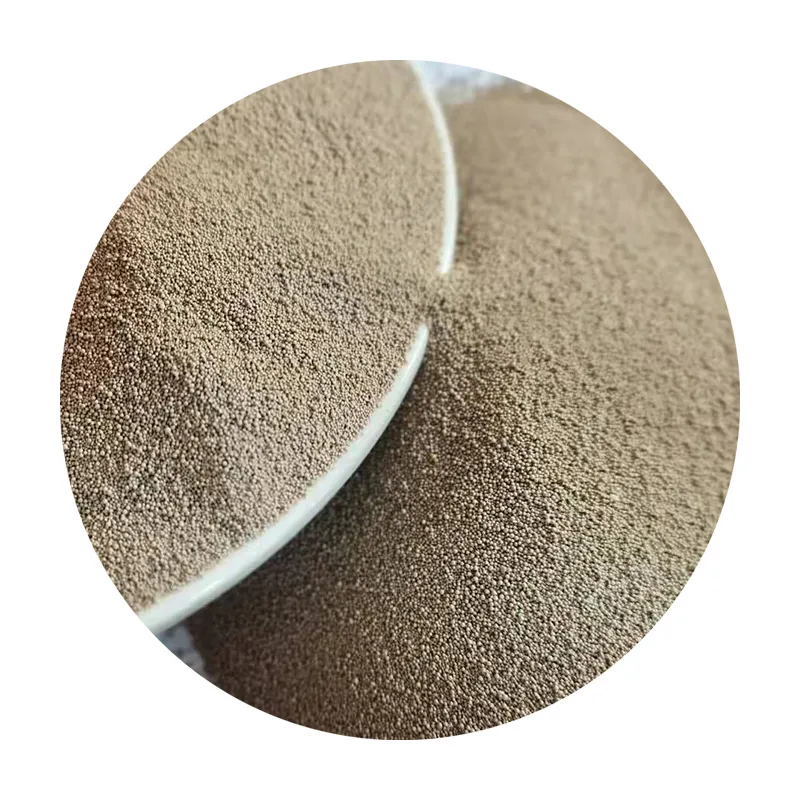
How to Choose the Right Resin Coated Sand for Your Foundry
Selecting the most suitable resin coated sand is critical to optimizing casting outcomes. The ideal choice depends on several factors: the type of metal being cast, casting size, desired surface finish, and the complexity of the mold. For intricate components and dimensional accuracy, uniform grain size and high resin quality are essential.
When evaluating resin coated sand, it is important to consider shell strength and collapsibility. A good balance ensures that the mold remains rigid during pouring but breaks away cleanly after solidification. For high-pressure castings, higher resin content may be needed, whereas low-pressure or gravity casting can work with standard levels.
Additionally, compatibility with your foundry's existing molding equipment is crucial. Not all resin sand behaves the same in automated shell core machines. A reputable resin coated sand manufacturer will often offer tailored formulations, designed to work flawlessly with your production lines while reducing gas generation and minimizing defects.
In choosing the right product, customers should also ask for performance data including tensile strength, gas evolution, and thermal expansion rates. These indicators reveal the true casting quality that can be expected. A good resin coated sand is more than just sand and resin—it’s engineered for performance.
Proper Storage and Maintenance: Protecting Your Resin Coated Sand Investment
After choosing the right resin coated sand, proper storage and maintenance ensure it performs as intended. Unlike traditional silica sand, resin coated sand is sensitive to moisture and temperature fluctuations. If exposed to high humidity or wet conditions, the resin layer can absorb moisture, leading to weak shell structures and poor casting quality.
Foundries should store resin sand in dry, covered areas, preferably in moisture-proof containers or silos with air-tight seals. Warehouses should maintain a relative humidity below 60% and stable temperatures between 15–30°C. Under these conditions, the shelf life of high-quality resin coated sand can extend up to 6–12 months without performance degradation.
During long-term storage, periodic inspection is recommended. Look for signs of clumping, discoloration, or uneven granules. These are red flags that the product may have absorbed moisture or experienced resin degradation. If these issues are detected, it’s best to consult your resin coated sand manufacturer for testing or replacement.
Rotating inventory is also a smart approach to avoid long-term stagnation. Using the first-in, first-out (FIFO) principle helps maintain consistent casting performance across batches and reduces the chances of using outdated material. When handled and stored properly, resin coated sand maintains its flowability, strength, and core quality.
How Thermal Expansion Influences Casting Accuracy with Resin Coated Sand
Thermal expansion is a critical factor in precision casting. When molten metal is poured into a mold, it generates intense heat. If the mold material expands excessively, it can lead to dimensional errors, veining, and surface defects. This is where the thermal behavior of resin coated sand plays a vital role.
High-quality resin coated sand is engineered to minimize thermal expansion while maintaining excellent hot strength. This balance is crucial for tight-tolerance castings, especially in sectors like aerospace and automotive, where even slight deviations can result in product failure.
The spherical shape and uniform grain size of engineered resin sand reduce internal stress during heating, resulting in stable mold dimensions. Low thermal expansion not only improves casting accuracy but also extends the lifespan of core boxes and patterns by reducing the risk of mold breakage.
Some advanced formulations also incorporate anti-veining additives or special resin types that absorb thermal shock better than standard options. For foundries producing intricate parts or high-volume production runs, such features deliver exceptional ROI by reducing scrap rates and rework costs.
Ultimately, when considering resin coated sand price, the value lies in consistent performance and fewer casting defects. The long-term savings and quality assurance far outweigh the initial investment.
Working with the Right Partner: The Importance of a Reliable Resin Coated Sand Manufacturer
Choosing a dependable resin coated sand manufacturer is as important as selecting the right material. Reliable suppliers provide not just quality products, but also technical support, customization, and timely delivery. They understand the demands of modern casting and are ready to adjust resin content, curing behavior, and grain size distribution according to client needs.
A reputable manufacturer will offer laboratory testing, on-site consultation, and sample verification before bulk orders are finalized. Their materials are backed by consistent quality control, and they offer full transparency on chemical composition, tensile strength, and heat resistance.
Moreover, competitive resin coated sand price does not mean compromising on quality. The best manufacturers strike the right balance—offering economically priced solutions with outstanding casting performance.
Some of the industry’s most reliable resin coated sand producers also supply technical training for mold designers, casting engineers, and machine operators. They treat the relationship as a long-term partnership, not just a transaction.
Resin Coated Sand FAQs
How can I determine the best resin coated sand for my casting project?
Evaluate your casting metal type, part complexity, and molding equipment. Then consult with a trusted resin coated sand manufacturer who can tailor the sand to your needs.
What affects resin coated sand price the most?
Price is influenced by resin type, grain quality, additive levels, and transportation. Higher performance materials usually command a higher price due to better consistency and casting results.
Can resin coated sand be stored long-term?
Yes, if kept in a dry, sealed, temperature-controlled environment. Regular inspection and proper rotation can extend shelf life up to 12 months.
What makes resin coated sand better than traditional resin sand?
Resin coated sand offers superior flowability, faster curing, stronger shell formation, and improved thermal stability compared to regular resin sand mixtures.
Does thermal expansion really affect casting quality?
Absolutely. High expansion can lead to dimensional errors and surface defects. Low-expansion resin coated sand helps produce highly accurate castings with fewer defects.
Post time:Aug . 27, 2025 14:57Next:Precision Begins with Premium Casting Sand: Discover the Foundation of Flawless Metal Castings