Precision Lost Foam Sand Casting Services & Benefits

Introduction to Lost Foam Sand Casting

In the realm of advanced manufacturing, lost foam sand casting stands out as a sophisticated and highly efficient method for producing complex metal components with exceptional dimensional accuracy and surface finish. This innovative casting process, also known as evaporative pattern casting (EPC), leverages a pattern made of expanded polystyrene (EPS) foam, which is then coated with a ceramic refractory material and embedded in unbonded sand. When molten metal is poured into the mold, the foam pattern vaporizes, allowing the metal to fill the cavity and precisely replicate the pattern's intricate details.

The core advantage of lost foam sand casting lies in its ability to consolidate multiple parts into a single casting, reducing assembly costs and potential points of failure. This technique is particularly valuable for industries requiring high-integrity components with complex geometries, such as automotive, aerospace, heavy machinery, and defense. The judicious selection of refractory materials, especially high-performance ceramic sand, is paramount to achieving the optimal surface finish, dimensional stability, and internal soundness required by these demanding applications. The process minimizes traditional mold-making complexities, leading to enhanced design freedom and significant cost efficiencies in high-volume production.

Detailed Process Flow of Lost Foam Casting

The lost foam casting process is a meticulously engineered sequence designed to produce high-quality castings. It begins with the creation of a foam pattern and culminates in the finished metal component.

1. Foam Pattern Creation
2. Pattern Assembly
3. Refractory Coating Application
4. Sand Compaction
5. Pouring and Evaporation
6. Cooling and Shakeout
7. Finishing Operations

Key Stages Explained:

  • Foam Pattern Creation: The journey begins with injecting expandable polystyrene (EPS) beads into a heated die to form an exact replica of the desired component. This can include intricate internal passages and external features.
  • Pattern Assembly: For complex or larger components, individual foam pieces are precisely glued together using hot melt adhesive to form a complete pattern cluster, often including sprue, runners, and gates.
  • Refractory Coating Application: The foam cluster is then dipped into or coated with a specialized refractory slurry. For optimal results, particularly for high-quality ceramic sand for lost foam casting, this coating is formulated to resist molten metal penetration, provide a smooth surface finish, and ensure proper venting of decomposition gases. The coating thickness is meticulously controlled. This stage is crucial for managing the gas evolution during pouring and achieving the desired surface integrity.
  • Sand Compaction: Once the refractory coating is dry, the pattern is placed in a flask and surrounded by unbonded, dry, free-flowing sand – often our specialized Ceramic Sand for Lost Foam Casting. This sand is compacted around the pattern using vibration, creating a robust yet permeable mold without binders. This approach significantly reduces environmental impact compared to chemically bonded sand systems.
  • Pouring and Evaporation: Molten metal (e.g., iron, aluminum, steel alloys) is slowly poured into the sprue. As the molten metal comes into contact with the foam, the foam rapidly vaporizes, and its decomposition products are absorbed by the refractory coating and vented through the permeable sand. The metal instantly fills the void left by the foam, replicating its shape precisely.
  • Cooling and Shakeout: After solidification, the casting is allowed to cool. The unbonded sand can then be easily vibrated away from the solidified metal, a process known as shakeout. The sand is typically recovered and reused, contributing to the process's sustainability.
  • Finishing Operations: The final steps involve traditional casting finishing, such as sprue and riser removal, minor grinding, heat treatment (if required), and inspection. Unlike other casting methods, extensive CNC machining is often significantly reduced or eliminated due to the inherent precision of lost foam sand casting.

Target Industries & Advantages:

This process is highly valued across industries such as petrochemical (for valve bodies, pump housings), metallurgy (furnace components, rolls), and water supply & drainage (pipe fittings, impellers). Its advantages include:

  • Energy Saving: Reduced machining leads to lower energy consumption post-casting.
  • Corrosion Resistance: Ability to cast complex shapes in specialized alloys known for superior corrosion resistance, directly impacting service life.
  • Extended Service Life: Producing high-integrity castings with minimal internal defects contributes directly to enhanced product longevity.
Precision Lost Foam Sand Casting Services & Benefits

Industry Trends in Lost Foam Casting

The landscape of casting technology is continuously evolving, and lost foam casting is at the forefront of several key trends. Digitalization, automation, and material science advancements are reshaping its capabilities and applications.

  • Advanced Simulation & Modeling: Foundries are increasingly adopting sophisticated computational fluid dynamics (CFD) and solidification modeling software. This allows engineers to simulate the pouring process, foam decomposition, gas evolution, and metal solidification in advance, predicting potential defects and optimizing gate and riser designs before physical tooling is made. This reduces development cycles and material waste.
  • Automation and Robotics: From foam pattern assembly to coating application and sand compaction, automation is enhancing consistency, speed, and safety in lost foam casting operations. Robotic arms can precisely apply coatings and handle patterns, minimizing human error and increasing throughput.
  • Enhanced Refractory Coatings and Ceramic Sands: The development of advanced refractory coatings with superior permeability, high refractoriness, and excellent adhesion to EPS patterns is critical. Specialized materials like ceramic sand for lost foam casting are gaining traction due to their low thermal expansion, excellent flowability, and high refractory properties, contributing to better surface finish and dimensional accuracy.
  • Sustainable Practices: With increasing environmental regulations, the focus is on developing greener materials and processes. The ability to recycle unbonded sand, minimize machining waste, and reduce energy consumption positions lost foam sand casting as an inherently more sustainable option compared to many traditional casting methods. Efforts are also being made to develop more environmentally friendly foam materials and binder-free coatings.
  • Additive Manufacturing for Patterns: The integration of 3D printing for creating complex foam patterns or master patterns for tooling is a burgeoning trend. This allows for rapid prototyping and the production of highly intricate designs that would be difficult or impossible with traditional foam molding.
Precision Lost Foam Sand Casting Services & Benefits

Technical Specifications: Ceramic Sand for Lost Foam Casting

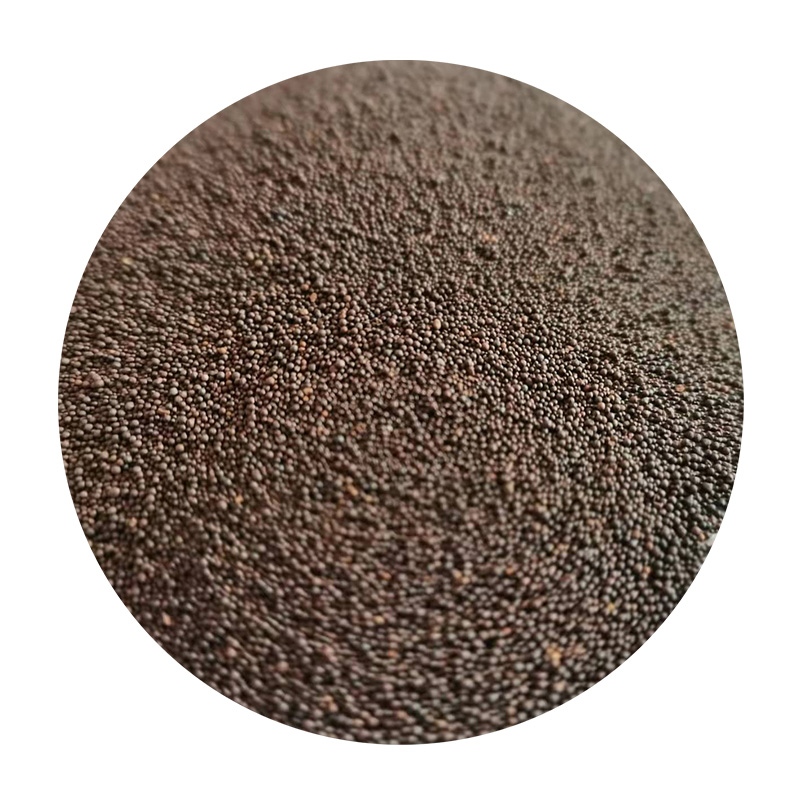
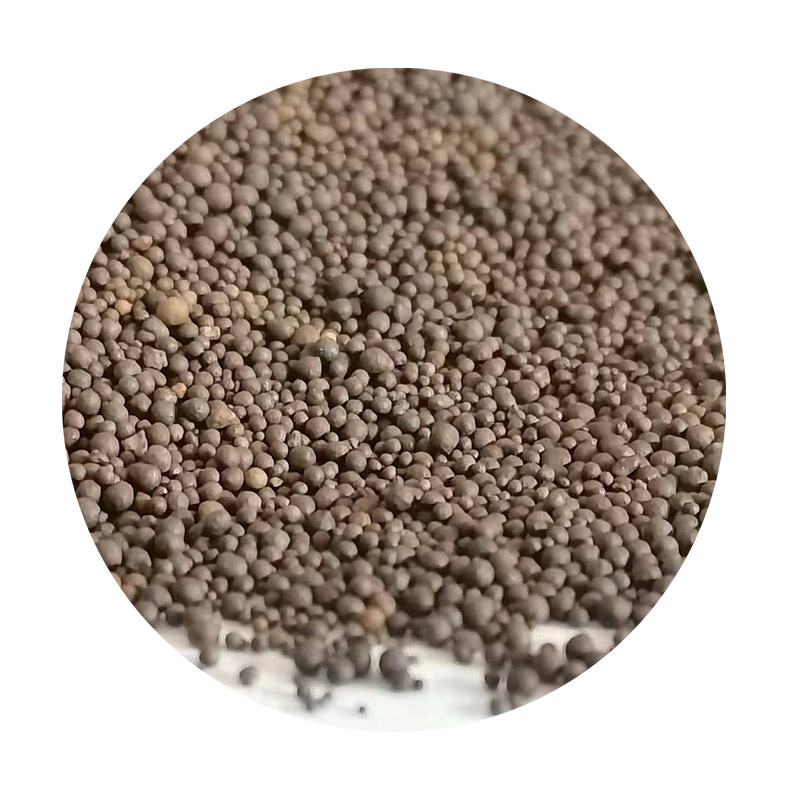
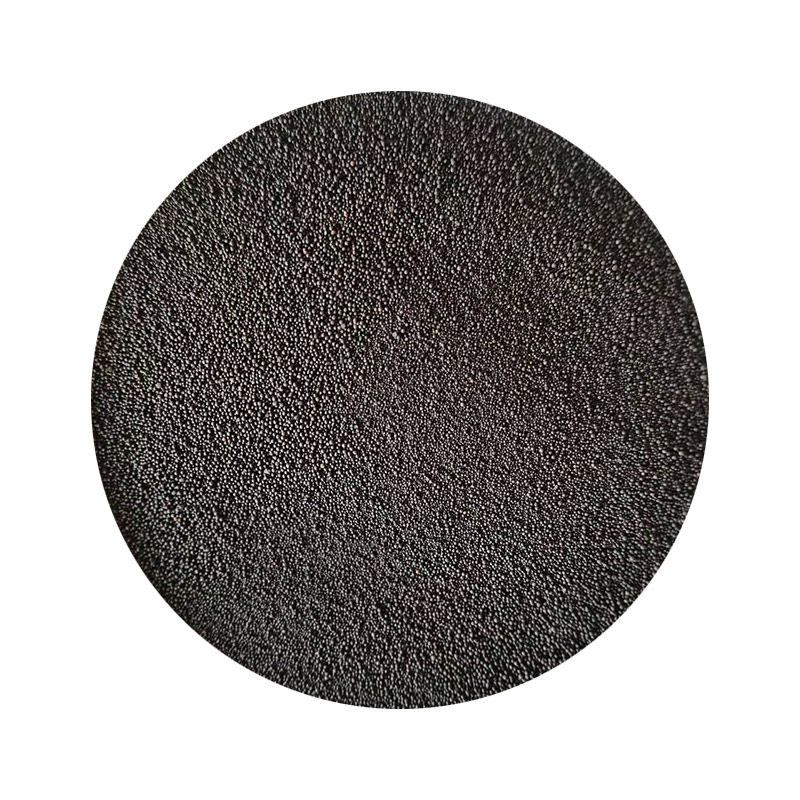
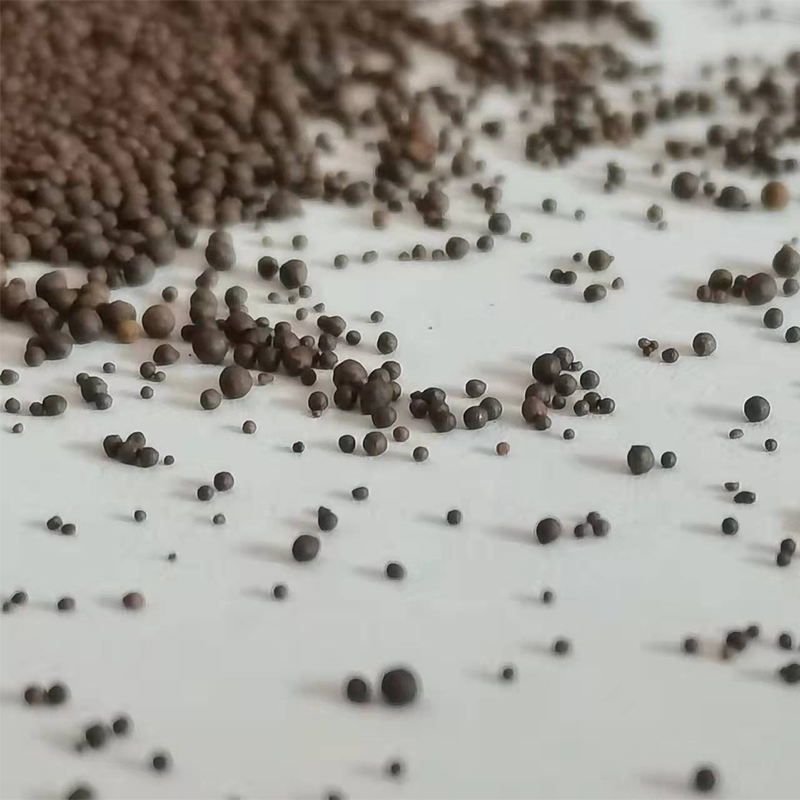
The quality of the molding media directly impacts the outcome of the lost foam sand casting process. Our Ceramic Sand for Lost Foam Casting is engineered to provide superior performance, addressing common challenges associated with traditional silica sand or chromite sand. Its unique properties ensure optimal mold integrity and casting quality.

Key Parameters of Ceramic Sand for Lost Foam Casting

Property Typical Value / Description
Main Constituent Alumina-Silicate Compounds
Refractoriness ≥ 1790 °C (3254 °F)
Specific Gravity 3.2 - 3.6 g/cm³
Bulk Density 1.8 - 2.0 g/cm³
Thermal Expansion Coefficient (0-1000°C) ≤ 4.0 x 10⁻⁶ /°C
Acid Demand Value (ADV) ≤ 10 mL
Grain Shape Spherical
Particle Size Distribution Available in various AFS GFN ranges (e.g., 40-50, 50-60, 60-70)
Chemical Stability Excellent against most molten metals and binders
Permeability High and uniform, facilitating gas escape

Comparison: Ceramic Sand vs. Traditional Silica Sand for Lost Foam

Property Ceramic Sand for Lost Foam Traditional Silica Sand
Thermal Expansion Very low, minimizes casting defects like veining and scabbing. High, prone to thermal shock and casting defects.
Refractoriness Extremely high (>1790°C), suitable for steel and high-temperature alloys. Moderate (~1650°C), limits application for higher melting point metals.
Grain Shape & Flowability Spherical, excellent flowability for dense compaction and easy shakeout. Angular, can lead to less uniform compaction and more difficult shakeout.
Surface Finish Superior, reduces need for post-casting finishing (e.g., shot blasting, grinding). Good, but often requires more aggressive finishing.
Dust Generation Very low crystalline silica content, significantly reduces health risks (silicosis). High crystalline silica content, potential health hazard requiring strict controls.

Our ceramic sand adheres to stringent international testing standards such as ISO 9001 for quality management and ASTM standards for material properties, ensuring consistent and reliable performance for every lost foam casting foundry operation.

Application Scenarios and Examples of Lost Foam Casting

The versatility of lost foam casting applications makes it an ideal choice across a broad spectrum of industries, particularly where complex geometries, high dimensional accuracy, and cost-effectiveness in medium to high volume production are critical.

  • Automotive Industry: This sector is a major adopter of lost foam casting for engine blocks, cylinder heads, crankshafts, differential cases, and transmission housings. The ability to cast intricate internal passages for cooling and lubrication directly results in lighter, more efficient components with fewer assembly steps. For instance, a complex aluminum engine block can be cast as a single piece, eliminating multiple core assemblies and machining operations typical of traditional sand casting.
  • Heavy Machinery & Construction: Components such as hydraulic manifolds, pump impellers, gear housings, and heavy-duty brackets benefit from the structural integrity and precise dimensions offered by lost foam sand casting. These parts often experience high stress and require robust, defect-free structures.
  • Aerospace & Defense: While often using smaller batch sizes, the precision and potential for weight reduction in complex parts like structural brackets, missile components, and specialized engine parts make lost foam casting an attractive option, especially for aluminum and magnesium alloys.
  • Petrochemical & Energy: Valve bodies, pump housings, compressor components, and turbine parts requiring high integrity, corrosion resistance, and intricate internal channels are frequently produced using this method. The ability to cast alloys like stainless steel or duplex steel with superior finish reduces subsequent processing.
  • Art & Decorative Castings: For producing highly detailed sculptures and architectural elements, lost foam casting offers an alternative to investment casting, particularly for larger items, providing excellent surface replication from the original foam pattern.
Precision Lost Foam Sand Casting Services & Benefits

Technical Advantages of Lost Foam Casting

The advantages of lost foam casting are numerous and contribute significantly to its adoption over traditional casting methods for specific applications. These benefits translate directly into cost savings, improved product quality, and greater design flexibility.

  • Design Freedom and Complexity: Engineers can design components with highly complex internal geometries, undercuts, and varying wall thicknesses that would be difficult or impossible with conventional casting methods requiring multiple cores. Since the pattern is consumed, there are no limitations on pattern removal. This allows for parts consolidation, reducing component count and assembly time.
  • Exceptional Dimensional Accuracy: The use of a single, unjointed foam pattern surrounded by unbonded sand eliminates cope and drag shifts, core print shifts, and core distortion. This results in superior dimensional control and near-net-shape castings, significantly reducing post-casting machining requirements. Typical tolerances can be as tight as ±0.010 inches for smaller features and ±0.005 inches per inch for larger dimensions.
  • Superior Surface Finish: The fine grain structure of the refractory coating and the stable mold environment lead to excellent surface finishes, often eliminating the need for extensive blasting or grinding. This is especially true when using high-quality ceramic sand for lost foam casting.
  • Reduced Machining and Material Waste: The near-net-shape capability of lost foam casting drastically cuts down on material waste from machining chips and reduces labor costs associated with post-casting operations. In many cases, only critical interfaces or bearing surfaces require final machining.
  • Environmental Benefits: The use of unbonded, reclaimable sand minimizes waste and eliminates the need for chemical binders, reducing both environmental impact and disposal costs. Energy consumption is also lower due to reduced machining.
  • Elimination of Cores: For many complex internal passages, the foam pattern itself acts as the core, eliminating the cost and complexity of core production, setting, and removal.
  • Consolidated Tooling: For a single component, only one set of foam molding tools is required, often simplifying tooling management compared to multi-part, multi-core conventional molds.

Vendor Comparison and Customized Solutions

Choosing the right lost foam casting foundry is crucial for project success. A detailed vendor comparison should go beyond simple pricing to evaluate capabilities, quality control, and the ability to provide customized solutions.

Key Factors for Vendor Comparison:

  • Experience & Expertise: Look for a foundry with a proven track record in lost foam sand casting, particularly with similar materials and component complexities. Inquire about their years of service and specific case studies.
  • Quality Certifications: Ensure the foundry adheres to international standards such as ISO 9001, AS9100 (for aerospace), or IATF 16949 (for automotive). This demonstrates a commitment to quality management and continuous improvement. Our operations consistently meet ISO 9001 standards.
  • Material Capabilities: Verify their ability to cast your desired alloys (e.g., aluminum, gray iron, ductile iron, steel, stainless steel) and their expertise in selecting appropriate refractory coatings and sands, like ceramic sand for lost foam casting.
  • Technology & Equipment: Assess their use of modern equipment, including foam pattern machinery, coating application systems, vibration tables, and post-casting inspection tools (e.g., CMM, X-ray).
  • Engineering Support: A strong vendor offers design for manufacturability (DFM) assistance, utilizing simulation software to optimize your part design for the lost foam casting process, ensuring cost-effectiveness and performance.
  • Capacity & Lead Time: Evaluate their production capacity and typical lead times to ensure alignment with your project timelines.

Customized Solutions:

The inherent flexibility of the lost foam casting process allows for extensive customization, crucial for niche applications and optimizing performance.

  • Alloy Specialization: Custom casting in specific alloys to meet unique strength, corrosion resistance, or thermal properties.
  • Geometric Optimization: Tailoring pattern design for specific performance requirements, such as weight reduction, improved flow characteristics, or integrated functionalities.
  • Surface Finish & Coating Tuning: Adjusting the refractory lost foam casting coating and sand properties (like using specialized ceramic sand) to achieve a desired surface roughness or aesthetic for specific end-uses.
  • Post-Casting Services: Offering integrated solutions including heat treatment, specialized machining, and surface treatments like painting or plating as part of a complete manufacturing package.

Application Case Studies: Lost Foam Casting Examples

Real-world lost foam casting examples demonstrate the tangible benefits and problem-solving capabilities of this advanced manufacturing process.

Case Study 1: Automotive Cylinder Head

A leading automotive manufacturer required a complex aluminum cylinder head with intricate internal cooling passages and precise valve seat geometry. Traditional sand casting struggled with core shift and difficulty in achieving the required internal complexity, leading to high scrap rates and extensive post-machining.

  • Solution: Implementation of lost foam sand casting using a multi-piece foam pattern cluster and our high-performance ceramic sand for optimal gas venting and surface finish.
  • Results:
    • Achieved near-net-shape casting, reducing machining by 40%.
    • Improved dimensional accuracy, with tolerances within ±0.008 inches on critical features.
    • Reduced casting weight by 15% due to optimized internal design.
    • Scrap rates decreased by over 25%, leading to significant cost savings.
    • Enhanced engine performance due to precise cooling channel replication.

Case Study 2: Large Ductile Iron Valve Body

A client in the water infrastructure sector needed large, corrosion-resistant ductile iron valve bodies with internal control features. Traditional green sand casting methods often resulted in internal porosity and rough surfaces requiring extensive fettling and repair.

  • Solution: A specialized lost foam casting foundry utilized an optimized foam pattern design and a custom-formulated refractory coating paired with our ceramic sand to produce dense, high-integrity castings.
  • Results:
    • Achieved a Class A surface finish internally and externally, minimizing post-casting treatments.
    • Eliminated internal porosity defects, ensuring leak-free performance and extended service life.
    • Reduced total production time by 20% due to less finishing work.
    • Enhanced the product's resistance to corrosive media, improving reliability in critical infrastructure.
Precision Lost Foam Sand Casting Services & Benefits

Commitment to Quality and Service

Authoritativeness and Trustworthiness

Our dedication to excellence in ceramic sand manufacturing for lost foam sand casting is underpinned by rigorous quality assurance and customer-centric service. We maintain ISO 9001 certification, reflecting our commitment to consistent quality management systems. Our products undergo extensive internal testing, adhering to ASTM and ANSI standards to ensure optimal performance under various industrial conditions. Over [X, e.g., 20] years of industry experience, we have fostered strong partnerships with leading lost foam casting foundry operations globally, earning their trust through reliable supply and technical support.

Frequently Asked Questions (FAQ)

Q: What types of metals can be cast using the lost foam process with your ceramic sand?

A: Our ceramic sand is suitable for a wide range of metals, including aluminum alloys, gray iron, ductile iron, various steel alloys (carbon steel, stainless steel), and copper alloys, due to its high refractoriness and low thermal expansion.

Q: How does ceramic sand improve casting quality compared to silica sand?

A: Ceramic sand offers superior thermal stability, much lower thermal expansion, and a perfectly spherical grain shape. These properties significantly reduce casting defects such as veining, scabbing, and penetration, leading to higher dimensional accuracy and a smoother surface finish, ultimately reducing post-casting machining and costs.

Q: What are the environmental benefits of using your ceramic sand?

A: Our ceramic sand has a very low free silica content, significantly reducing the risk of silicosis. It is also highly reusable, promoting sustainable foundry practices by minimizing waste and the need for new raw materials.

Lead Time & Fulfillment

We understand the importance of timely delivery in industrial operations. Our standard lead time for Ceramic Sand for Lost Foam Casting typically ranges from 2-4 weeks, depending on order volume and specific customization requirements. Expedited options are available upon request to meet urgent production schedules. We maintain robust supply chain logistics to ensure efficient fulfillment globally.

Warranty Commitments

All our products, including Ceramic Sand for Lost Foam Casting, come with a comprehensive quality warranty covering material specifications and performance as per our published data sheets. We commit to replacing or providing credit for any material found to be non-conforming to agreed specifications. Our warranty reflects our confidence in the quality and consistency of our products.

Customer Support

Our dedicated team of technical experts is available to provide unparalleled after-sales support. From initial consultation and product selection to process optimization and troubleshooting, we offer comprehensive assistance to ensure your lost foam casting operations run smoothly. Contact us via phone, email, or our website for prompt and professional support.

References

  1. American Foundry Society (AFS). "AFS Lost Foam Casting Manual." Retrieved from www.afsinc.org.
  2. Campbell, J. (2003). "Castings Practice: The 10 Rules of Castings." Butterworth-Heinemann.
  3. ASM International. "ASM Handbook, Volume 15: Casting." Materials Park, OH.
  4. International Organization for Standardization (ISO). "ISO 9001: Quality Management Systems – Requirements." Retrieved from www.iso.org.
  5. American Society for Testing and Materials (ASTM International). "ASTM Standards for Foundry Sands." Retrieved from www.astm.org.
  6. Brown, J. R. (Ed.). (2000). "Foseco Ferrous Foundryman's Handbook." Butterworth-Heinemann.
Post time:Sep . 23, 2025 00:25

Next:

Precision Lost Foam Sand Casting Services & Benefits

Introduction to Lost Foam Sand Casting

In the realm of advanced manufacturing, lost foam sand casting stands out as a sophisticated and highly efficient method for producing complex metal components with exceptional dimensional accuracy and surface finish. This innovative casting process, also known as evaporative pattern casting (EPC), leverages a pattern made of expanded polystyrene (EPS) foam, which is then coated with a ceramic refractory material and embedded in unbonded sand. When molten metal is poured into the mold, the foam pattern vaporizes, allowing the metal to fill the cavity and precisely replicate the pattern's intricate details.

The core advantage of lost foam sand casting lies in its ability to consolidate multiple parts into a single casting, reducing assembly costs and potential points of failure. This technique is particularly valuable for industries requiring high-integrity components with complex geometries, such as automotive, aerospace, heavy machinery, and defense. The judicious selection of refractory materials, especially high-performance ceramic sand, is paramount to achieving the optimal surface finish, dimensional stability, and internal soundness required by these demanding applications. The process minimizes traditional mold-making complexities, leading to enhanced design freedom and significant cost efficiencies in high-volume production.

Detailed Process Flow of Lost Foam Casting

The lost foam casting process is a meticulously engineered sequence designed to produce high-quality castings. It begins with the creation of a foam pattern and culminates in the finished metal component.

1. Foam Pattern Creation
2. Pattern Assembly
3. Refractory Coating Application
4. Sand Compaction
5. Pouring and Evaporation
6. Cooling and Shakeout
7. Finishing Operations

Key Stages Explained:

  • Foam Pattern Creation: The journey begins with injecting expandable polystyrene (EPS) beads into a heated die to form an exact replica of the desired component. This can include intricate internal passages and external features.
  • Pattern Assembly: For complex or larger components, individual foam pieces are precisely glued together using hot melt adhesive to form a complete pattern cluster, often including sprue, runners, and gates.
  • Refractory Coating Application: The foam cluster is then dipped into or coated with a specialized refractory slurry. For optimal results, particularly for high-quality ceramic sand for lost foam casting, this coating is formulated to resist molten metal penetration, provide a smooth surface finish, and ensure proper venting of decomposition gases. The coating thickness is meticulously controlled. This stage is crucial for managing the gas evolution during pouring and achieving the desired surface integrity.
  • Sand Compaction: Once the refractory coating is dry, the pattern is placed in a flask and surrounded by unbonded, dry, free-flowing sand – often our specialized Ceramic Sand for Lost Foam Casting. This sand is compacted around the pattern using vibration, creating a robust yet permeable mold without binders. This approach significantly reduces environmental impact compared to chemically bonded sand systems.
  • Pouring and Evaporation: Molten metal (e.g., iron, aluminum, steel alloys) is slowly poured into the sprue. As the molten metal comes into contact with the foam, the foam rapidly vaporizes, and its decomposition products are absorbed by the refractory coating and vented through the permeable sand. The metal instantly fills the void left by the foam, replicating its shape precisely.
  • Cooling and Shakeout: After solidification, the casting is allowed to cool. The unbonded sand can then be easily vibrated away from the solidified metal, a process known as shakeout. The sand is typically recovered and reused, contributing to the process's sustainability.
  • Finishing Operations: The final steps involve traditional casting finishing, such as sprue and riser removal, minor grinding, heat treatment (if required), and inspection. Unlike other casting methods, extensive CNC machining is often significantly reduced or eliminated due to the inherent precision of lost foam sand casting.

Target Industries & Advantages:

This process is highly valued across industries such as petrochemical (for valve bodies, pump housings), metallurgy (furnace components, rolls), and water supply & drainage (pipe fittings, impellers). Its advantages include:

  • Energy Saving: Reduced machining leads to lower energy consumption post-casting.
  • Corrosion Resistance: Ability to cast complex shapes in specialized alloys known for superior corrosion resistance, directly impacting service life.
  • Extended Service Life: Producing high-integrity castings with minimal internal defects contributes directly to enhanced product longevity.
lost foam sand casting

Industry Trends in Lost Foam Casting

The landscape of casting technology is continuously evolving, and lost foam casting is at the forefront of several key trends. Digitalization, automation, and material science advancements are reshaping its capabilities and applications.

  • Advanced Simulation & Modeling: Foundries are increasingly adopting sophisticated computational fluid dynamics (CFD) and solidification modeling software. This allows engineers to simulate the pouring process, foam decomposition, gas evolution, and metal solidification in advance, predicting potential defects and optimizing gate and riser designs before physical tooling is made. This reduces development cycles and material waste.
  • Automation and Robotics: From foam pattern assembly to coating application and sand compaction, automation is enhancing consistency, speed, and safety in lost foam casting operations. Robotic arms can precisely apply coatings and handle patterns, minimizing human error and increasing throughput.
  • Enhanced Refractory Coatings and Ceramic Sands: The development of advanced refractory coatings with superior permeability, high refractoriness, and excellent adhesion to EPS patterns is critical. Specialized materials like ceramic sand for lost foam casting are gaining traction due to their low thermal expansion, excellent flowability, and high refractory properties, contributing to better surface finish and dimensional accuracy.
  • Sustainable Practices: With increasing environmental regulations, the focus is on developing greener materials and processes. The ability to recycle unbonded sand, minimize machining waste, and reduce energy consumption positions lost foam sand casting as an inherently more sustainable option compared to many traditional casting methods. Efforts are also being made to develop more environmentally friendly foam materials and binder-free coatings.
  • Additive Manufacturing for Patterns: The integration of 3D printing for creating complex foam patterns or master patterns for tooling is a burgeoning trend. This allows for rapid prototyping and the production of highly intricate designs that would be difficult or impossible with traditional foam molding.
lost foam sand casting

Technical Specifications: Ceramic Sand for Lost Foam Casting

The quality of the molding media directly impacts the outcome of the lost foam sand casting process. Our Ceramic Sand for Lost Foam Casting is engineered to provide superior performance, addressing common challenges associated with traditional silica sand or chromite sand. Its unique properties ensure optimal mold integrity and casting quality.

Key Parameters of Ceramic Sand for Lost Foam Casting

Property Typical Value / Description
Main Constituent Alumina-Silicate Compounds
Refractoriness ≥ 1790 °C (3254 °F)
Specific Gravity 3.2 - 3.6 g/cm³
Bulk Density 1.8 - 2.0 g/cm³
Thermal Expansion Coefficient (0-1000°C) ≤ 4.0 x 10⁻⁶ /°C
Acid Demand Value (ADV) ≤ 10 mL
Grain Shape Spherical
Particle Size Distribution Available in various AFS GFN ranges (e.g., 40-50, 50-60, 60-70)
Chemical Stability Excellent against most molten metals and binders
Permeability High and uniform, facilitating gas escape

Comparison: Ceramic Sand vs. Traditional Silica Sand for Lost Foam

Property Ceramic Sand for Lost Foam Traditional Silica Sand
Thermal Expansion Very low, minimizes casting defects like veining and scabbing. High, prone to thermal shock and casting defects.
Refractoriness Extremely high (>1790°C), suitable for steel and high-temperature alloys. Moderate (~1650°C), limits application for higher melting point metals.
Grain Shape & Flowability Spherical, excellent flowability for dense compaction and easy shakeout. Angular, can lead to less uniform compaction and more difficult shakeout.
Surface Finish Superior, reduces need for post-casting finishing (e.g., shot blasting, grinding). Good, but often requires more aggressive finishing.
Dust Generation Very low crystalline silica content, significantly reduces health risks (silicosis). High crystalline silica content, potential health hazard requiring strict controls.

Our ceramic sand adheres to stringent international testing standards such as ISO 9001 for quality management and ASTM standards for material properties, ensuring consistent and reliable performance for every lost foam casting foundry operation.

Application Scenarios and Examples of Lost Foam Casting

The versatility of lost foam casting applications makes it an ideal choice across a broad spectrum of industries, particularly where complex geometries, high dimensional accuracy, and cost-effectiveness in medium to high volume production are critical.

  • Automotive Industry: This sector is a major adopter of lost foam casting for engine blocks, cylinder heads, crankshafts, differential cases, and transmission housings. The ability to cast intricate internal passages for cooling and lubrication directly results in lighter, more efficient components with fewer assembly steps. For instance, a complex aluminum engine block can be cast as a single piece, eliminating multiple core assemblies and machining operations typical of traditional sand casting.
  • Heavy Machinery & Construction: Components such as hydraulic manifolds, pump impellers, gear housings, and heavy-duty brackets benefit from the structural integrity and precise dimensions offered by lost foam sand casting. These parts often experience high stress and require robust, defect-free structures.
  • Aerospace & Defense: While often using smaller batch sizes, the precision and potential for weight reduction in complex parts like structural brackets, missile components, and specialized engine parts make lost foam casting an attractive option, especially for aluminum and magnesium alloys.
  • Petrochemical & Energy: Valve bodies, pump housings, compressor components, and turbine parts requiring high integrity, corrosion resistance, and intricate internal channels are frequently produced using this method. The ability to cast alloys like stainless steel or duplex steel with superior finish reduces subsequent processing.
  • Art & Decorative Castings: For producing highly detailed sculptures and architectural elements, lost foam casting offers an alternative to investment casting, particularly for larger items, providing excellent surface replication from the original foam pattern.
lost foam sand casting

Technical Advantages of Lost Foam Casting

The advantages of lost foam casting are numerous and contribute significantly to its adoption over traditional casting methods for specific applications. These benefits translate directly into cost savings, improved product quality, and greater design flexibility.

  • Design Freedom and Complexity: Engineers can design components with highly complex internal geometries, undercuts, and varying wall thicknesses that would be difficult or impossible with conventional casting methods requiring multiple cores. Since the pattern is consumed, there are no limitations on pattern removal. This allows for parts consolidation, reducing component count and assembly time.
  • Exceptional Dimensional Accuracy: The use of a single, unjointed foam pattern surrounded by unbonded sand eliminates cope and drag shifts, core print shifts, and core distortion. This results in superior dimensional control and near-net-shape castings, significantly reducing post-casting machining requirements. Typical tolerances can be as tight as ±0.010 inches for smaller features and ±0.005 inches per inch for larger dimensions.
  • Superior Surface Finish: The fine grain structure of the refractory coating and the stable mold environment lead to excellent surface finishes, often eliminating the need for extensive blasting or grinding. This is especially true when using high-quality ceramic sand for lost foam casting.
  • Reduced Machining and Material Waste: The near-net-shape capability of lost foam casting drastically cuts down on material waste from machining chips and reduces labor costs associated with post-casting operations. In many cases, only critical interfaces or bearing surfaces require final machining.
  • Environmental Benefits: The use of unbonded, reclaimable sand minimizes waste and eliminates the need for chemical binders, reducing both environmental impact and disposal costs. Energy consumption is also lower due to reduced machining.
  • Elimination of Cores: For many complex internal passages, the foam pattern itself acts as the core, eliminating the cost and complexity of core production, setting, and removal.
  • Consolidated Tooling: For a single component, only one set of foam molding tools is required, often simplifying tooling management compared to multi-part, multi-core conventional molds.

Vendor Comparison and Customized Solutions

Choosing the right lost foam casting foundry is crucial for project success. A detailed vendor comparison should go beyond simple pricing to evaluate capabilities, quality control, and the ability to provide customized solutions.

Key Factors for Vendor Comparison:

  • Experience & Expertise: Look for a foundry with a proven track record in lost foam sand casting, particularly with similar materials and component complexities. Inquire about their years of service and specific case studies.
  • Quality Certifications: Ensure the foundry adheres to international standards such as ISO 9001, AS9100 (for aerospace), or IATF 16949 (for automotive). This demonstrates a commitment to quality management and continuous improvement. Our operations consistently meet ISO 9001 standards.
  • Material Capabilities: Verify their ability to cast your desired alloys (e.g., aluminum, gray iron, ductile iron, steel, stainless steel) and their expertise in selecting appropriate refractory coatings and sands, like ceramic sand for lost foam casting.
  • Technology & Equipment: Assess their use of modern equipment, including foam pattern machinery, coating application systems, vibration tables, and post-casting inspection tools (e.g., CMM, X-ray).
  • Engineering Support: A strong vendor offers design for manufacturability (DFM) assistance, utilizing simulation software to optimize your part design for the lost foam casting process, ensuring cost-effectiveness and performance.
  • Capacity & Lead Time: Evaluate their production capacity and typical lead times to ensure alignment with your project timelines.

Customized Solutions:

The inherent flexibility of the lost foam casting process allows for extensive customization, crucial for niche applications and optimizing performance.

  • Alloy Specialization: Custom casting in specific alloys to meet unique strength, corrosion resistance, or thermal properties.
  • Geometric Optimization: Tailoring pattern design for specific performance requirements, such as weight reduction, improved flow characteristics, or integrated functionalities.
  • Surface Finish & Coating Tuning: Adjusting the refractory lost foam casting coating and sand properties (like using specialized ceramic sand) to achieve a desired surface roughness or aesthetic for specific end-uses.
  • Post-Casting Services: Offering integrated solutions including heat treatment, specialized machining, and surface treatments like painting or plating as part of a complete manufacturing package.

Application Case Studies: Lost Foam Casting Examples

Real-world lost foam casting examples demonstrate the tangible benefits and problem-solving capabilities of this advanced manufacturing process.

Case Study 1: Automotive Cylinder Head

A leading automotive manufacturer required a complex aluminum cylinder head with intricate internal cooling passages and precise valve seat geometry. Traditional sand casting struggled with core shift and difficulty in achieving the required internal complexity, leading to high scrap rates and extensive post-machining.

  • Solution: Implementation of lost foam sand casting using a multi-piece foam pattern cluster and our high-performance ceramic sand for optimal gas venting and surface finish.
  • Results:
    • Achieved near-net-shape casting, reducing machining by 40%.
    • Improved dimensional accuracy, with tolerances within ±0.008 inches on critical features.
    • Reduced casting weight by 15% due to optimized internal design.
    • Scrap rates decreased by over 25%, leading to significant cost savings.
    • Enhanced engine performance due to precise cooling channel replication.

Case Study 2: Large Ductile Iron Valve Body

A client in the water infrastructure sector needed large, corrosion-resistant ductile iron valve bodies with internal control features. Traditional green sand casting methods often resulted in internal porosity and rough surfaces requiring extensive fettling and repair.

  • Solution: A specialized lost foam casting foundry utilized an optimized foam pattern design and a custom-formulated refractory coating paired with our ceramic sand to produce dense, high-integrity castings.
  • Results:
    • Achieved a Class A surface finish internally and externally, minimizing post-casting treatments.
    • Eliminated internal porosity defects, ensuring leak-free performance and extended service life.
    • Reduced total production time by 20% due to less finishing work.
    • Enhanced the product's resistance to corrosive media, improving reliability in critical infrastructure.
lost foam sand casting

Commitment to Quality and Service

Authoritativeness and Trustworthiness

Our dedication to excellence in ceramic sand manufacturing for lost foam sand casting is underpinned by rigorous quality assurance and customer-centric service. We maintain ISO 9001 certification, reflecting our commitment to consistent quality management systems. Our products undergo extensive internal testing, adhering to ASTM and ANSI standards to ensure optimal performance under various industrial conditions. Over [X, e.g., 20] years of industry experience, we have fostered strong partnerships with leading lost foam casting foundry operations globally, earning their trust through reliable supply and technical support.

Frequently Asked Questions (FAQ)

Q: What types of metals can be cast using the lost foam process with your ceramic sand?

A: Our ceramic sand is suitable for a wide range of metals, including aluminum alloys, gray iron, ductile iron, various steel alloys (carbon steel, stainless steel), and copper alloys, due to its high refractoriness and low thermal expansion.

Q: How does ceramic sand improve casting quality compared to silica sand?

A: Ceramic sand offers superior thermal stability, much lower thermal expansion, and a perfectly spherical grain shape. These properties significantly reduce casting defects such as veining, scabbing, and penetration, leading to higher dimensional accuracy and a smoother surface finish, ultimately reducing post-casting machining and costs.

Q: What are the environmental benefits of using your ceramic sand?

A: Our ceramic sand has a very low free silica content, significantly reducing the risk of silicosis. It is also highly reusable, promoting sustainable foundry practices by minimizing waste and the need for new raw materials.

Lead Time & Fulfillment

We understand the importance of timely delivery in industrial operations. Our standard lead time for Ceramic Sand for Lost Foam Casting typically ranges from 2-4 weeks, depending on order volume and specific customization requirements. Expedited options are available upon request to meet urgent production schedules. We maintain robust supply chain logistics to ensure efficient fulfillment globally.

Warranty Commitments

All our products, including Ceramic Sand for Lost Foam Casting, come with a comprehensive quality warranty covering material specifications and performance as per our published data sheets. We commit to replacing or providing credit for any material found to be non-conforming to agreed specifications. Our warranty reflects our confidence in the quality and consistency of our products.

Customer Support

Our dedicated team of technical experts is available to provide unparalleled after-sales support. From initial consultation and product selection to process optimization and troubleshooting, we offer comprehensive assistance to ensure your lost foam casting operations run smoothly. Contact us via phone, email, or our website for prompt and professional support.

References

  1. American Foundry Society (AFS). "AFS Lost Foam Casting Manual." Retrieved from www.afsinc.org.
  2. Campbell, J. (2003). "Castings Practice: The 10 Rules of Castings." Butterworth-Heinemann.
  3. ASM International. "ASM Handbook, Volume 15: Casting." Materials Park, OH.
  4. International Organization for Standardization (ISO). "ISO 9001: Quality Management Systems – Requirements." Retrieved from www.iso.org.
  5. American Society for Testing and Materials (ASTM International). "ASTM Standards for Foundry Sands." Retrieved from www.astm.org.
  6. Brown, J. R. (Ed.). (2000). "Foseco Ferrous Foundryman's Handbook." Butterworth-Heinemann.
Post time:Sep . 08, 2025 16:38

Next:
Leave Your Message

If you are interested in our products, you can choose to leave your information here, and we will be in touch with you shortly.