
Foundry Sand Definition: A Comprehensive Guide
Understanding foundry sand is crucial for anyone involved in metal casting. It's the primary component in molding processes, influencing the quality, accuracy, and efficiency of the final product. This article delves into the foundry sand definition, its types, properties, applications, and key considerations for selection. Whether you are a seasoned metallurgist, a student, or simply curious, this guide will provide you with a clear understanding of this essential material.
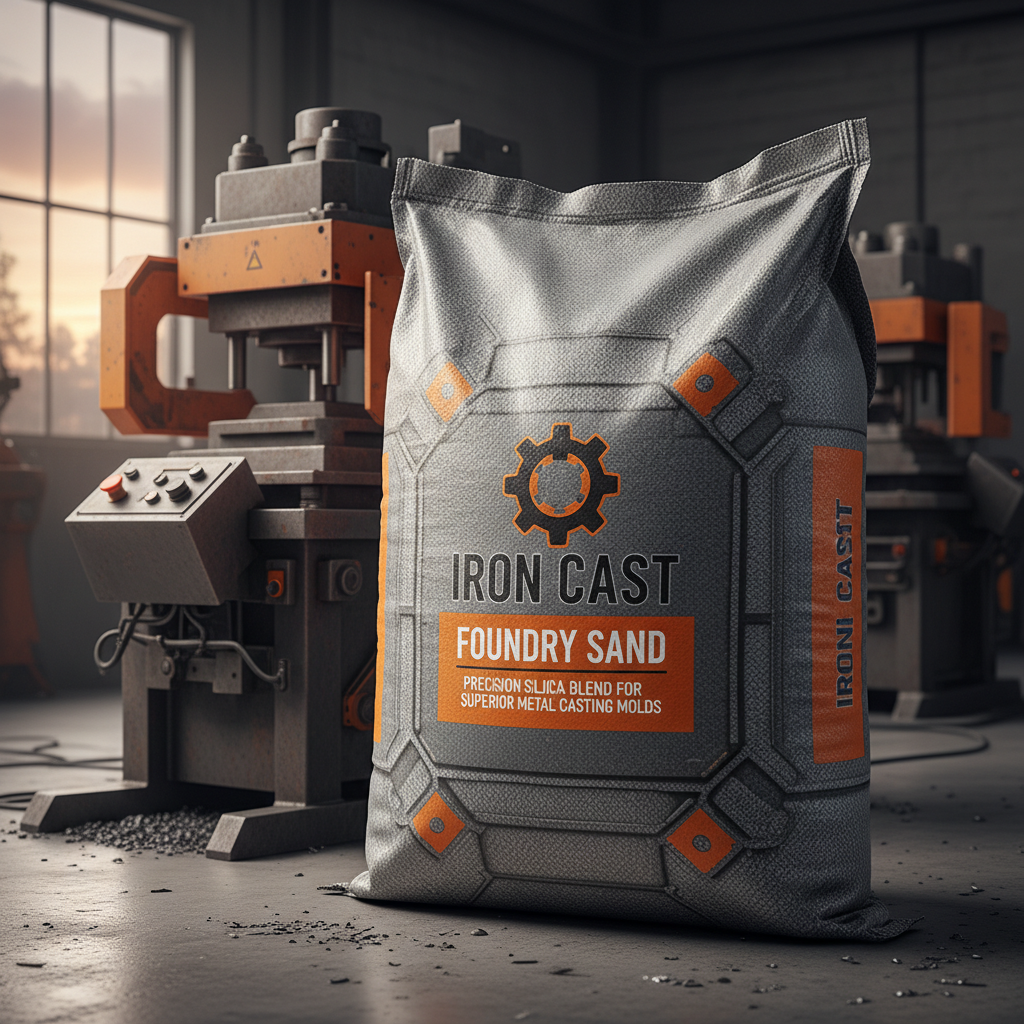
What is Foundry Sand?
Simply put, foundry sand is a granular material used in metal casting to create molds and cores. These molds provide the shape for molten metal to solidify into the desired form. It's not just any sand; it needs specific characteristics to withstand high temperatures, allow gas permeability, and maintain shape during the pouring process. Historically, naturally occurring sand was predominantly used. However, modern applications increasingly utilize manufactured sands for greater consistency and performance. Choosing the right foundry sand directly impacts the quality and cost-effectiveness of metal casting.
Key Takeaway: Foundry sand forms the cavity into which molten metal is poured, defining the final shape of the cast part.
Types of Foundry Sand
There are several types of foundry sand, each with its unique properties and applications. The most common include:
Green Sand: A mixture of sand, clay, and water. It's the most widely used type due to its cost-effectiveness and versatility.
Dry Sand: Green sand that has been dried to remove moisture. It provides better dimensional accuracy but is more expensive to produce.
Shell Mold Sand: A mixture of sand and a thermosetting resin. It creates a strong, accurate mold with excellent surface finish.
Chemically Bonded Sand (CBS): Uses chemical binders to create molds. Types include no-bake, cold box, and hot box sand, offering high strength and precision.
Sand Type Comparison:
• Green Sand: Cost-effective, versatile, but lower accuracy.
• Shell Mold Sand: High accuracy and surface finish, but more expensive.
• CBS Sand: High strength and precision, suitable for complex castings.
Key Properties of Foundry Sand
Several key properties determine the suitability of a sand for foundry applications. These include:
Grain Size and Shape: Affects permeability and surface finish.
Refractoriness: Ability to resist melting at high temperatures.
Permeability: Allows gases to escape during pouring, preventing defects.
Cohesion: Ability of sand grains to stick together, maintaining mold shape.
Green Strength: Strength of the sand mold before pouring.
Dry Strength: Strength of the sand mold after drying.
Foundry Sand Applications & Materials
The choice of foundry sand depends heavily on the metal being cast and the desired casting characteristics. Sinoceramsite specializes in providing high-quality foundry sands for a variety of applications. Common materials used include silica sand (SiO2), zircon sand (ZrSiO4), olivine sand (MgFeSiO4), and chromite sand (FeCr2O4). Each has different refractoriness and chemical properties suited for specific metal types like iron, steel, aluminum, and brass.
Selecting the Right Foundry Sand
Choosing the appropriate foundry sand is critical for achieving desired casting results. Factors to consider include the metal's melting point, casting complexity, required surface finish, and cost. Analyzing these aspects ensures optimal sand selection and minimizes defects. Consulting with experienced materials suppliers, like Sinoceramsite, is highly recommended to ensure you get the best solution for your specific needs.
Conclusion
Understanding the foundry sand definition and its various types and properties is fundamental to successful metal casting. Selecting the right sand is a crucial step in ensuring the quality, accuracy, and efficiency of the process. By carefully considering the application and partnering with reputable suppliers, manufacturers can optimize their casting operations and achieve superior results.
Frequently Asked Questions (FAQs)
What is the difference between green sand and dry sand?
Green sand contains moisture, making it pliable and easy to compact, but requires longer drying times. Dry sand has had the moisture removed, offering better dimensional accuracy and faster cycle times, but it can be more brittle and require more binder. The choice depends on the casting process and desired tolerances. Green sand is often used for larger castings where precise dimensions aren't as critical, while dry sand is favored for smaller, more detailed parts.
How does grain size affect foundry sand performance?
Grain size significantly impacts permeability and surface finish. Finer grains offer a smoother surface finish but can reduce permeability, leading to gas defects. Coarser grains provide better permeability but may result in a rougher surface. A well-graded sand, with a mix of grain sizes, often provides the optimal balance of these properties. The appropriate grain size is determined by the casting's complexity and the desired surface quality.
What are the environmental considerations when using foundry sand?
Proper handling and disposal of foundry sand are crucial. Sand can contain harmful components and should be managed responsibly. Recycling and reusing sand are encouraged to minimize waste. Many foundries are now implementing closed-loop systems to recover and reuse sand, reducing both environmental impact and costs. Following local regulations for sand disposal is essential.
Next:HighQuality Castings for Diverse Applications