
Understanding the Sand Casting Technique
The sand casting technique is a versatile and cost-effective metal casting process widely used across various industries. It’s particularly valuable for producing complex shapes and large components. This article explores the process in detail, covering its principles, advantages, disadvantages, applications, and future trends. Understanding this process is crucial for anyone involved in manufacturing, engineering, or materials science. We'll delve into why Sinoceramsite excels in providing high-quality sand casting solutions.
The Core Principles of Sand Casting
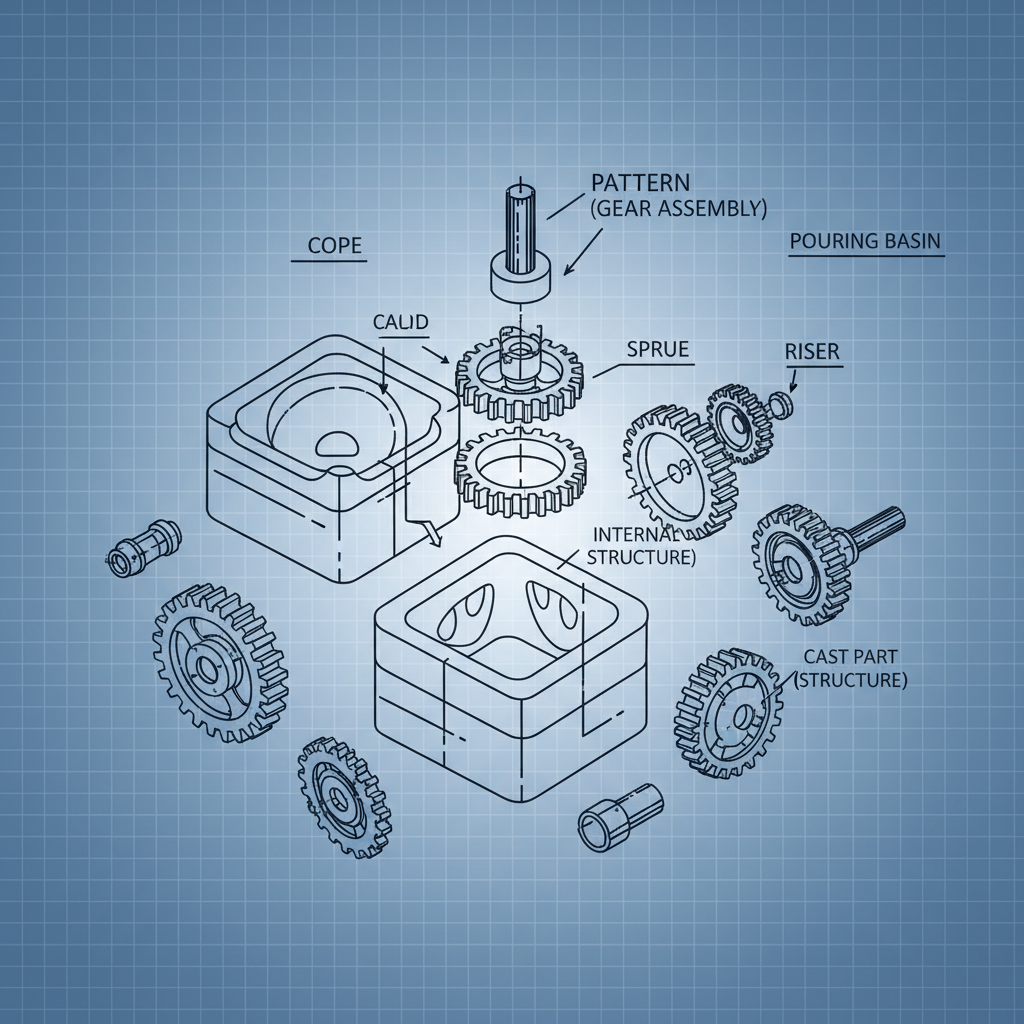
At its heart, sand casting involves using sand as the mold material. The process begins with creating a pattern, which replicates the desired shape of the metal component. This pattern is then packed into sand to form a cavity. Molten metal is poured into this cavity, allowed to solidify, and the sand mold is broken away to reveal the finished casting. The sand used is typically a mixture of silica sand, clay, and a binder. The type of sand and binder used significantly influence the quality and accuracy of the final product. Sinoceramsite's expertise lies in optimizing these mixtures for superior results.
Key Highlights: Sand casting is a cost-effective method for producing a wide range of metal parts, from simple to complex designs. Its versatility makes it a staple in many manufacturing processes.
Advantages and Disadvantages of Sand Casting
Sand casting presents numerous benefits. It’s cost-effective, especially for low to medium production runs. It’s also incredibly versatile, capable of handling a wide variety of metal alloys and producing parts with intricate geometries. The tooling costs are relatively low compared to other casting methods. However, there are drawbacks. Surface finish tends to be rougher, requiring secondary machining operations. Dimensional accuracy is also generally lower than other casting methods, like investment casting. The process can also be labor-intensive, though automation is increasingly being implemented.
Sand Casting: Pros & Cons
• Advantages: Cost-effective, versatile, low tooling costs, suitable for large parts.
• Disadvantages: Rough surface finish, lower dimensional accuracy, can be labor-intensive.
Sand Casting Technique: A Detailed Process Overview
The sand casting technique involves several key steps: pattern making, mold making, melting, pouring, cooling, and finishing. The pattern, a replica of the desired part, is created using materials like wood, metal, or plastic. The mold is formed by packing sand around the pattern. The molten metal is then carefully poured into the mold cavity, ensuring complete filling. Once cooled, the sand mold is broken away, and the casting undergoes finishing processes like cleaning, grinding, and machining. Proper control of each step is critical to achieving high-quality castings.
Comparison with Other Casting Methods
Sand casting differs significantly from other casting methods. Investment casting offers superior surface finish and dimensional accuracy but is more expensive. Die casting is ideal for high-volume production but requires substantial upfront investment in tooling. Permanent mold casting provides better mechanical properties than sand casting but is limited to simpler geometries. The table below summarizes a comparison:
Applications of Sand Casting in Various Industries
The sand casting technique is employed across a wide spectrum of industries. Automotive manufacturers use it for engine blocks, cylinder heads, and transmission housings. The aerospace industry utilizes it for complex structural components. Heavy machinery and agricultural equipment also heavily rely on sand casting for producing durable parts. Even art and decorative applications benefit from its versatility.
Future Trends in Sand Casting
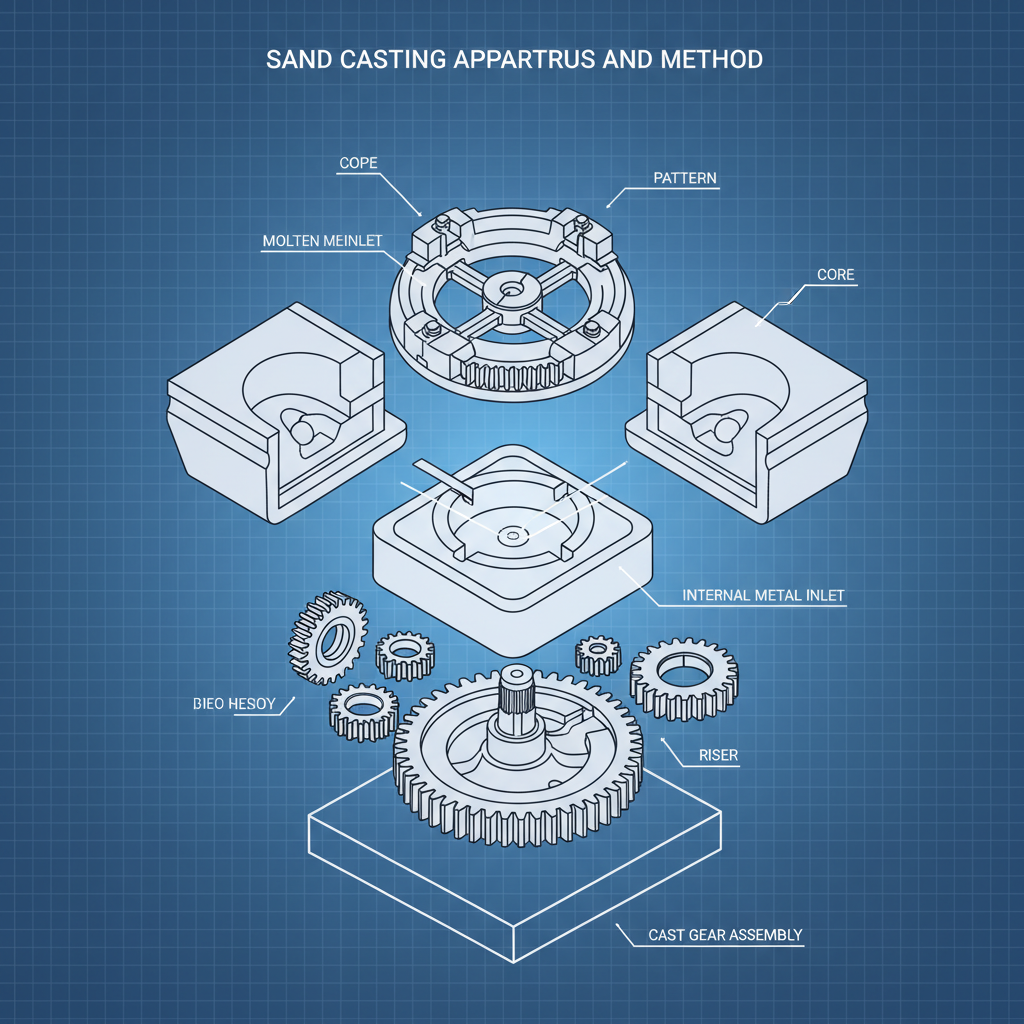
The future of sand casting is focused on automation, sustainability, and improved precision. Automated molding systems, 3D-printed sand molds, and advanced simulation software are gaining traction. There's a growing emphasis on using eco-friendly binders and reducing waste. Furthermore, integrating sensors and data analytics is enabling real-time process monitoring and control, leading to enhanced quality and efficiency. Sinoceramsite is committed to embracing these innovations to deliver cutting-edge sand casting solutions.
Conclusion: The Enduring Value of Sand Casting
The sand casting technique remains a vital manufacturing process, offering a balance of cost-effectiveness, versatility, and scalability. Ongoing advancements continue to improve its capabilities and address its limitations. By partnering with experienced providers like Sinoceramsite, businesses can leverage the full potential of sand casting for their specific needs.
Frequently Asked Questions (FAQs)
What types of metals can be sand cast?
Sand casting is compatible with a vast range of metals, including aluminum, iron (gray, ductile, and white), steel (carbon and alloy), copper alloys (brass and bronze), and even some reactive metals like titanium. The choice of metal depends on the desired properties of the final component, such as strength, corrosion resistance, and thermal conductivity. Sinoceramsite has extensive experience working with various alloys to meet specific customer requirements. The selection of the proper sand mix and pouring temperature are crucial for each metal type.
What is the typical lead time for a sand casting project?
Lead times vary depending on the complexity of the part, the quantity required, and the availability of materials. Generally, a simple sand casting project can be completed in 2-4 weeks. More complex projects with larger quantities may take 6-12 weeks or longer. Sinoceramsite strives to provide accurate lead time estimates and efficient project management to ensure timely delivery. We prioritize clear communication and collaboration with our clients throughout the process.
How can I ensure the quality of my sand castings?
Quality control is paramount in sand casting. Choosing a reputable supplier with robust quality management systems is the first step. Thorough inspection of the molds, materials, and finished castings is essential. Non-destructive testing methods, such as radiography and ultrasonic testing, can detect internal defects. Sinoceramsite employs rigorous quality control procedures at every stage of the process, adhering to industry standards and customer specifications.
What is the role of gating systems in sand casting?
Gating systems are crucial for delivering molten metal into the mold cavity effectively and efficiently. They consist of runners, gates, and risers, designed to control the metal flow, prevent turbulence, and ensure complete filling of the mold. Proper gating system design minimizes defects like porosity and shrinkage. Sinoceramsite utilizes advanced simulation software to optimize gating systems for each specific casting design, maximizing metal flow and minimizing defects.
Next:Sand Casting Services: A Comprehensive Guide