
Foundry Sand Price: A Comprehensive Guide
Understanding foundry sand price is crucial for businesses involved in metal casting. The cost of foundry sand significantly impacts production expenses, and fluctuating market conditions necessitate careful sourcing and budgeting. This article delves into the factors influencing foundry sand prices, explores different sand types, provides current market insights, and offers tips for optimizing procurement. We'll cover everything from silica sand to zircon sand and the variables that drive their costs.
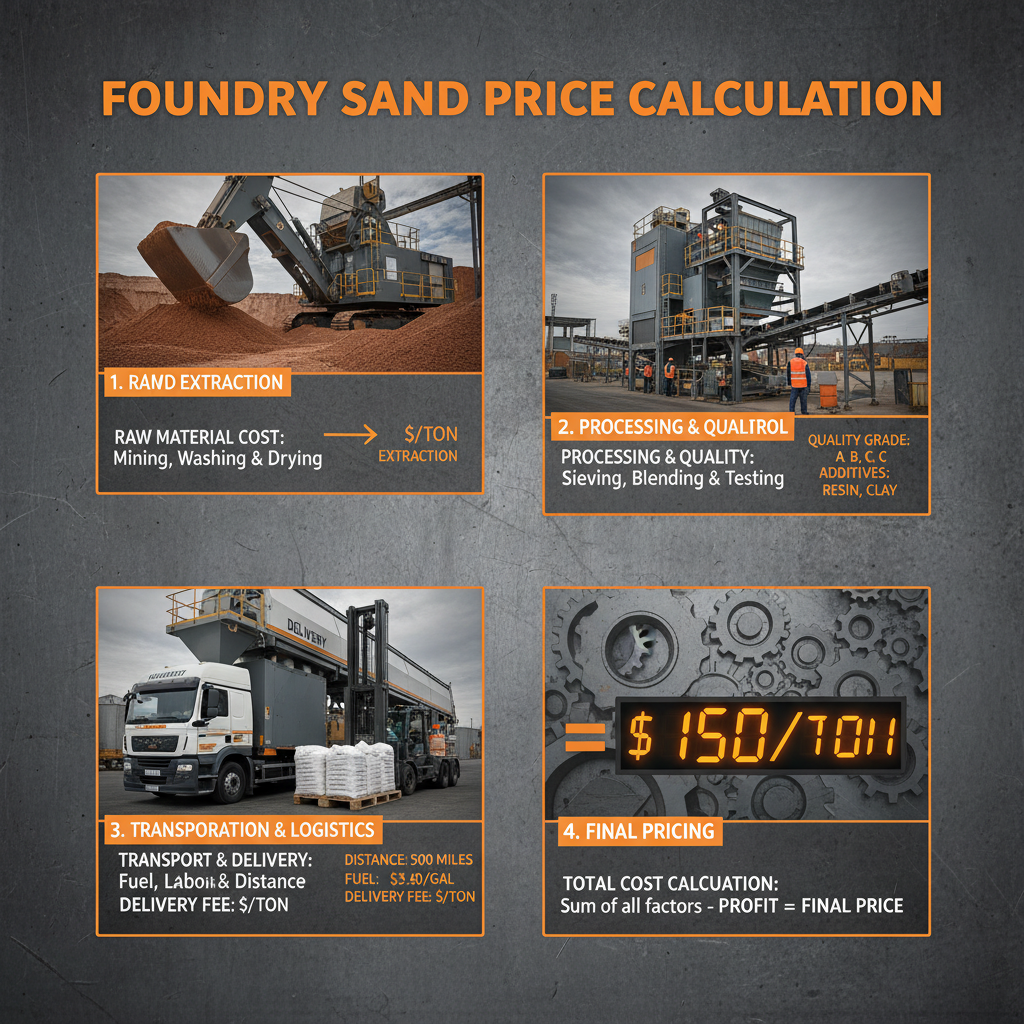
Factors Influencing Foundry Sand Price
Several key factors determine the price of foundry sand. Raw material availability is a primary driver; scarcity of specific sand types increases costs. Transportation expenses play a significant role, especially for sand sourced from distant locations. Processing requirements – such as washing, drying, and sizing – add to the overall price. Grain shape and size distribution are critical for casting quality and impact sand value. Furthermore, demand from the metal casting industry directly influences price fluctuations. Finally, environmental regulations related to sand mining and processing can add compliance costs, which are passed on to consumers. Understanding these elements is key to navigating the market effectively.
Key Price Drivers: Raw material availability, transportation costs, processing requirements, grain characteristics, industry demand, and environmental regulations.
Types of Foundry Sand and Their Prices
Different types of foundry sand come with varying price points. Silica sand is the most commonly used and typically the most affordable option, ranging from $30 to $80 per ton. Furan sand, known for its high strength and minimal binder requirement, is priced between $90 to $150 per ton. Zircon sand, valued for its high thermal stability and resistance to metal penetration, commands a higher price, typically $200 to $400 per ton. Chromite sand, offering excellent thermal conductivity, falls in the $150 to $300 per ton range. The choice of sand depends on the specific casting requirements and budget constraints. SinoCeramsite provides a range of high-quality foundry sand options.
Foundry Sand Price Comparison:
• Silica Sand: $30 - $80 / ton
• Furan Sand: $90 - $150 / ton
• Zircon Sand: $200 - $400 / ton
• Chromite Sand: $150 - $300 / ton
Current Market Trends in Foundry Sand Price
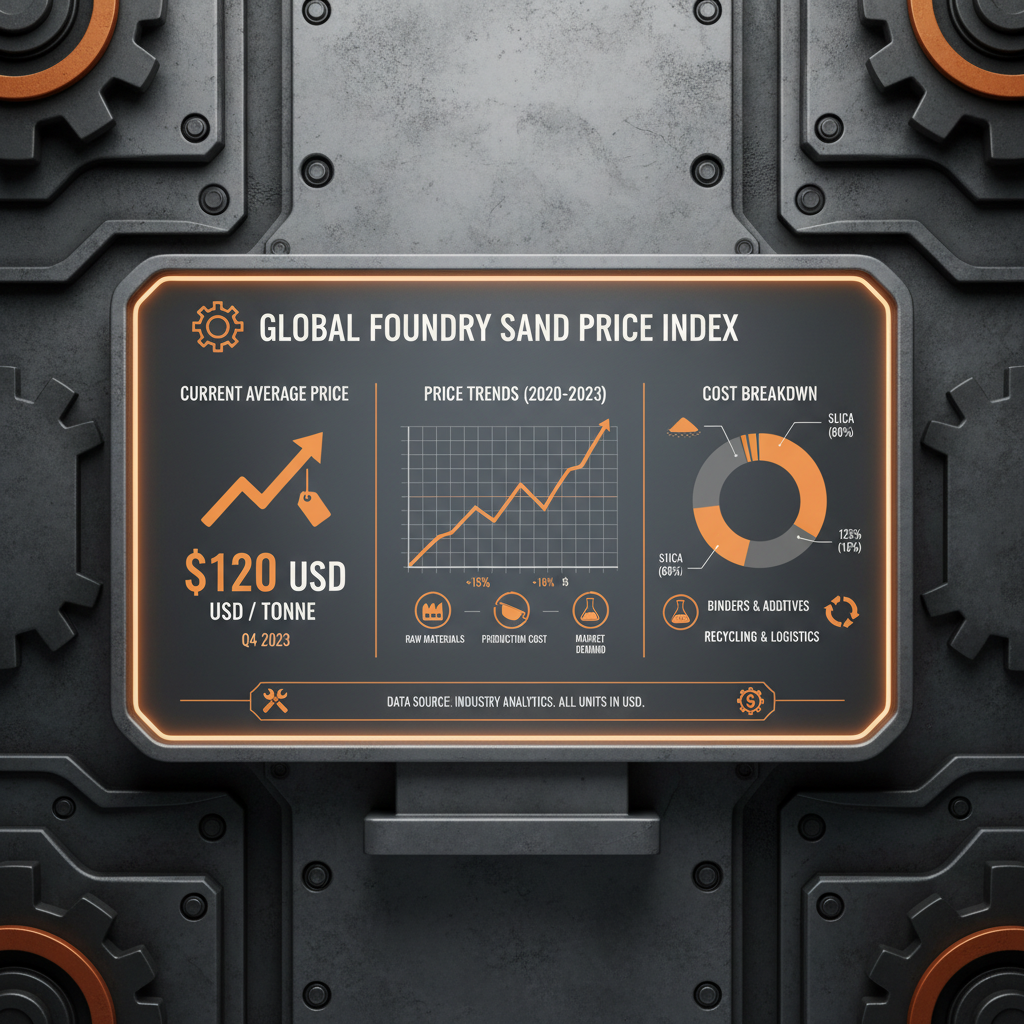
The foundry sand market has experienced volatility in recent years. Global supply chain disruptions, coupled with increased demand from the automotive and aerospace industries, have driven prices upward. Recent geopolitical events have further exacerbated these trends. As of late 2023/early 2024, silica sand prices have remained relatively stable, while zircon and chromite sand prices continue to fluctuate based on sourcing availability. Companies are increasingly focusing on long-term contracts and strategic partnerships with suppliers to mitigate price risk.
Strategies for Optimizing Foundry Sand Procurement
To mitigate the impact of fluctuating foundry sand prices, consider these strategies: Negotiate long-term contracts with suppliers to secure favorable pricing. Explore alternative sand sources to increase competition and reduce reliance on single vendors. Optimize sand usage through efficient molding techniques and recycling programs. Invest in sand reclamation systems to reduce overall sand consumption. Conduct regular market research to stay informed about price trends. SinoCeramsite offers solutions to help you optimize your foundry sand procurement process.
Choosing the Right Foundry Sand Supplier
Selecting a reliable foundry sand supplier is paramount. Look for suppliers with a proven track record of quality control, consistent supply, and competitive pricing. Ensure they adhere to relevant environmental regulations and offer technical support to assist with sand selection and application. Consider suppliers who can provide customized sand blends to meet your specific casting requirements. SinoCeramsite is committed to providing high-quality foundry sand and exceptional customer service.
Conclusion
Understanding foundry sand price drivers, types, and market trends is essential for successful metal casting operations. By implementing strategic procurement practices and partnering with a reliable supplier like SinoCeramsite, businesses can effectively manage costs and maintain consistent product quality.
Frequently Asked Questions (FAQs)
What factors contribute to the price volatility of foundry sand?
Foundry sand prices are subject to volatility due to several factors, including global supply chain disruptions, geopolitical events, fluctuating demand from the metal casting industry, transportation costs, and environmental regulations. Raw material scarcity and processing requirements also play a significant role. Monitoring these factors is crucial for effective procurement planning. Companies often utilize long-term contracts and strategic sourcing to mitigate price risk. Staying informed about market trends is essential for adapting to these fluctuations.
How can I reduce my foundry sand costs?
There are several strategies to reduce foundry sand costs. Negotiating long-term contracts with suppliers, exploring alternative sand sources, and optimizing sand usage through efficient molding techniques are all effective. Investing in sand reclamation systems can significantly reduce overall sand consumption. Regularly assessing your sand needs and sourcing options can also help identify cost-saving opportunities. Finally, consider working with a supplier like SinoCeramsite to leverage their expertise and purchasing power.
What is the difference between silica sand and zircon sand, and when should I use each?
Silica sand is the most common and affordable foundry sand, suitable for general-purpose casting applications. It offers good permeability and collapsibility. Zircon sand, on the other hand, is a more expensive option with exceptional thermal stability and resistance to metal penetration. It’s ideal for high-temperature applications, such as casting steel and aluminum alloys where a higher degree of dimensional accuracy and surface finish are required. Choosing between the two depends on the specific alloy being cast and the desired casting characteristics.
What role does grain size play in foundry sand price and performance?
Grain size significantly impacts both foundry sand price and performance. Finer grains offer a smoother surface finish but can reduce permeability. Coarser grains provide better permeability but may result in a rougher surface. Sands with a uniform grain size distribution are generally more expensive but provide more consistent casting results. The optimal grain size depends on the specific casting process and alloy being used. Suppliers like SinoCeramsite can help you select the appropriate grain size for your application.
Next:Precision Castings for Superior Results and Lasting Performance