
Foundry Sand PDF: A Comprehensive Guide for Buyers & Users
Foundry sand is a critical component in metal casting, influencing the quality and efficiency of the process. Understanding its properties, types, and how to access detailed specifications is crucial for businesses involved in metal fabrication. This article will delve into the world of foundry sand, explaining what a foundry sand PDF typically contains, its importance, and how to source the right sand for your specific needs. We’ll explore the different grades available, discuss key quality parameters, and guide you to resources for obtaining detailed technical data sheets.
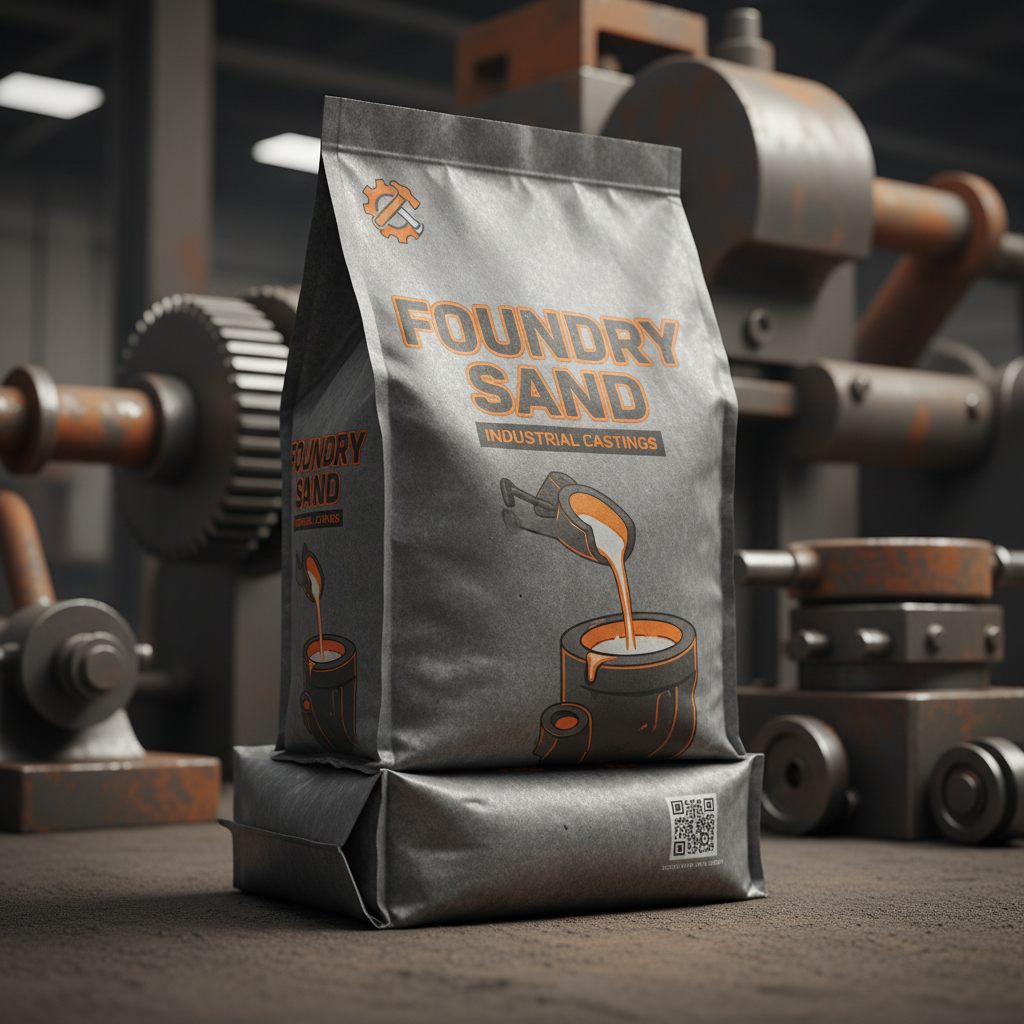
What is Foundry Sand and Why is a PDF Important?
Foundry sand is a granular material, typically silica sand, used to create molds and cores for metal casting. These molds provide the shape for the molten metal to solidify into the desired component. The quality of the sand directly impacts the surface finish, dimensional accuracy, and structural integrity of the final casting. A foundry sand PDF – or a technical data sheet – is invaluable because it provides a comprehensive overview of the sand's properties, ensuring it meets your casting requirements. It’s a centralized source of crucial information for quality control and informed purchasing decisions.
Key Benefits of Using a Foundry Sand PDF: Streamlines quality control, facilitates accurate material selection, supports consistency in casting processes, and provides essential data for troubleshooting.
Key Properties Detailed in a Foundry Sand PDF
A comprehensive foundry sand PDF will outline several key properties. These include grain size distribution (AFS grain fineness number), shape (roundness/angularity), mineral composition, moisture content, clay content, permeability, and compaction strength. Understanding these properties is paramount to achieving optimal casting results. For example, grain size influences the fineness of the surface finish, while permeability determines how effectively gases escape during the casting process. The chemical composition is critical for preventing reactions with the molten metal.
Essential Parameters in a Foundry Sand PDF:
• AFS Grain Fineness Number (GFN)
• Grain Shape (Roundness/Angularity)
• Mineral Composition (SiO2 content)
• Moisture Content (%)
• Clay Content (%)
• Permeability (K-value)
• Compaction Strength
Types of Foundry Sand and their Specifications
Foundry sands are broadly categorized into natural sands, synthetic sands, and reclaimed sands. Natural sands, like silica sand, are sourced directly from deposits. Synthetic sands, such as zircon and chromite sand, offer specific properties like high thermal stability. Reclaimed sands are recycled from previous casting processes. Each type has different specifications, as detailed in their respective PDFs. Choosing the correct type is based on the metal being cast, the casting process employed, and the required casting properties.
Sourcing Foundry Sand and Accessing PDFs: Sinoceramsite
Finding a reliable supplier offering detailed foundry sand PDFs is essential. Sinoceramsite provides a wide range of foundry sands, along with comprehensive technical data sheets available for download. We pride ourselves on supplying consistent, high-quality materials and offering transparent product information. Our PDFs provide all the necessary specifications to ensure you select the optimal sand for your application. We cater to various industries and casting needs, delivering exceptional value and expert support.
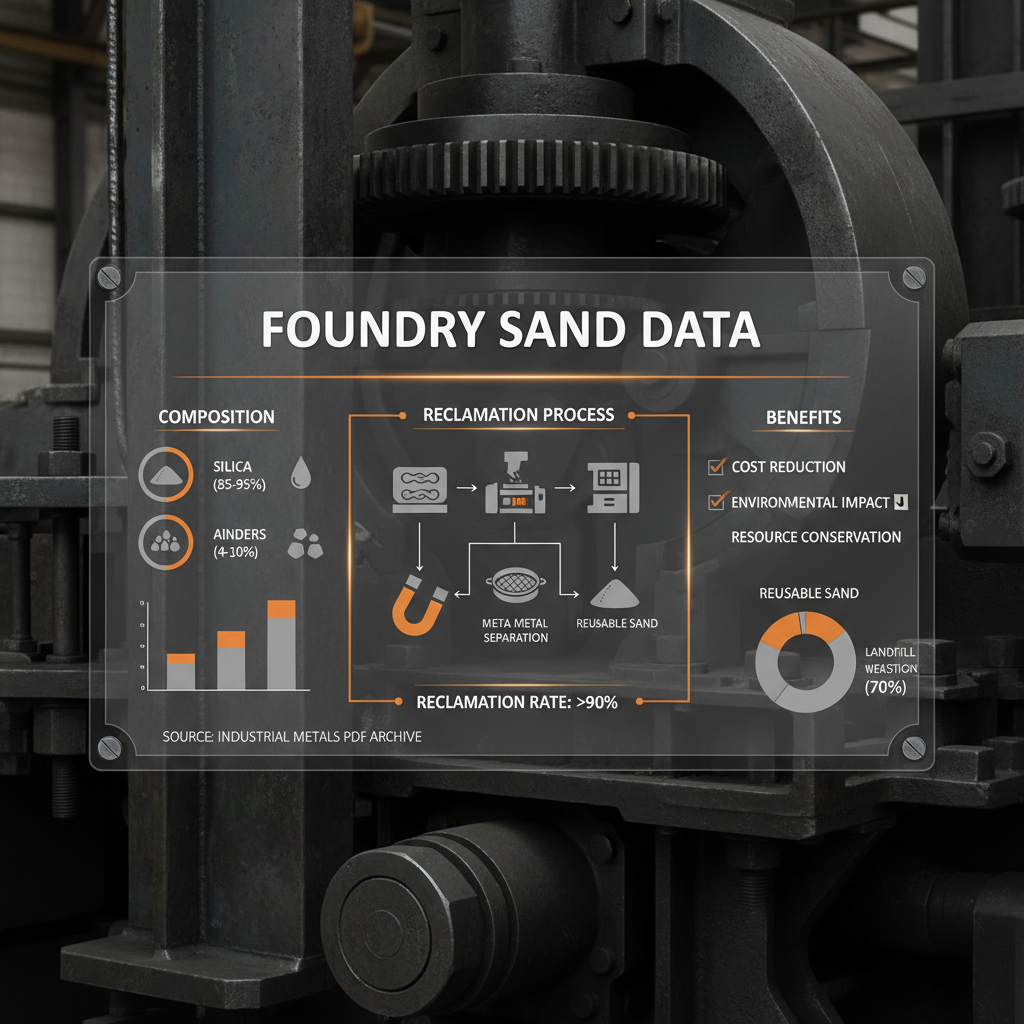
Analyzing a Foundry Sand PDF: A Step-by-Step Guide
When reviewing a foundry sand PDF, start by confirming the sand type and its intended application. Next, carefully examine the chemical composition to ensure compatibility with the metal you are casting. Pay close attention to the AFS GFN, as it directly impacts surface finish. Finally, assess permeability and compaction strength to guarantee proper gas venting and mold stability. Comparing these parameters against your specific requirements will allow you to make an informed decision.
Conclusion: Selecting the Right Foundry Sand
Choosing the correct foundry sand is a critical step in ensuring the quality and efficiency of your metal casting process. Utilizing comprehensive foundry sand PDFs from trusted suppliers like Sinoceramsite empowers you with the data needed to make informed decisions. Investing in high-quality sand translates directly into superior castings and a streamlined production process.
Frequently Asked Questions (FAQs)
What is the significance of AFS Grain Fineness Number (GFN)?
The AFS GFN is a crucial indicator of the average grain size of the foundry sand. A lower GFN indicates finer grains, which produce smoother surface finishes but can reduce permeability. Conversely, a higher GFN indicates coarser grains, providing better permeability but potentially resulting in a rougher surface. The optimal GFN depends on the specific casting application and the metal being used. It's essential to consult the foundry sand PDF to determine if the GFN aligns with your requirements. Accurate control of grain size is vital for producing consistent castings and minimizing defects.
How does moisture content impact foundry sand performance?
Moisture content significantly impacts the bonding strength of foundry sand. Too little moisture results in weak molds prone to collapse, while excessive moisture can reduce permeability and lead to gas defects in the casting. The ideal moisture content varies depending on the sand type and the binding system used. The foundry sand PDF will specify the recommended moisture range. Proper moisture control is critical for achieving a strong, stable mold that allows for efficient gas venting during the pouring process.
Can reclaimed foundry sand be used consistently?
Yes, reclaimed foundry sand can be a cost-effective and environmentally responsible option. However, its quality can vary depending on the reclamation process and the type of sand initially used. It's crucial to obtain a detailed foundry sand PDF for the reclaimed sand to verify its properties, including grain size distribution, chemical composition, and clay content. Proper processing and quality control are essential to ensure the reclaimed sand meets the required specifications for your casting applications. Sinoceramsite offers reclaimed options with full transparency regarding specifications.
What is permeability and why is it important?
Permeability refers to the ability of gases produced during the casting process to escape through the sand mold. It's measured by the K-value, with higher values indicating greater permeability. Adequate permeability is crucial to prevent gas defects, such as porosity and blowholes, in the final casting. The foundry sand PDF will specify the permeability range for the sand. Factors affecting permeability include grain size, grain shape, moisture content, and compaction. Maintaining optimal permeability ensures a sound, defect-free casting.
Next:The Enduring Importance of Sand Cast Foundry in Modern Industrial Applications