
Understanding the Versatility of The Sand Cast
The sand cast process is a foundational technique in metal fabrication, valued for its simplicity, cost-effectiveness, and ability to produce intricate designs. From creating complex engine components to producing artistic sculptures, the versatility of sand casting remains paramount across a wide range of industries. This article will delve into the intricacies of this ancient yet remarkably relevant method, exploring its process, advantages, applications, and future trends. Understanding sand casting is crucial for engineers, designers, and anyone involved in manufacturing and materials science.
The Sand Cast Process: A Step-by-Step Overview
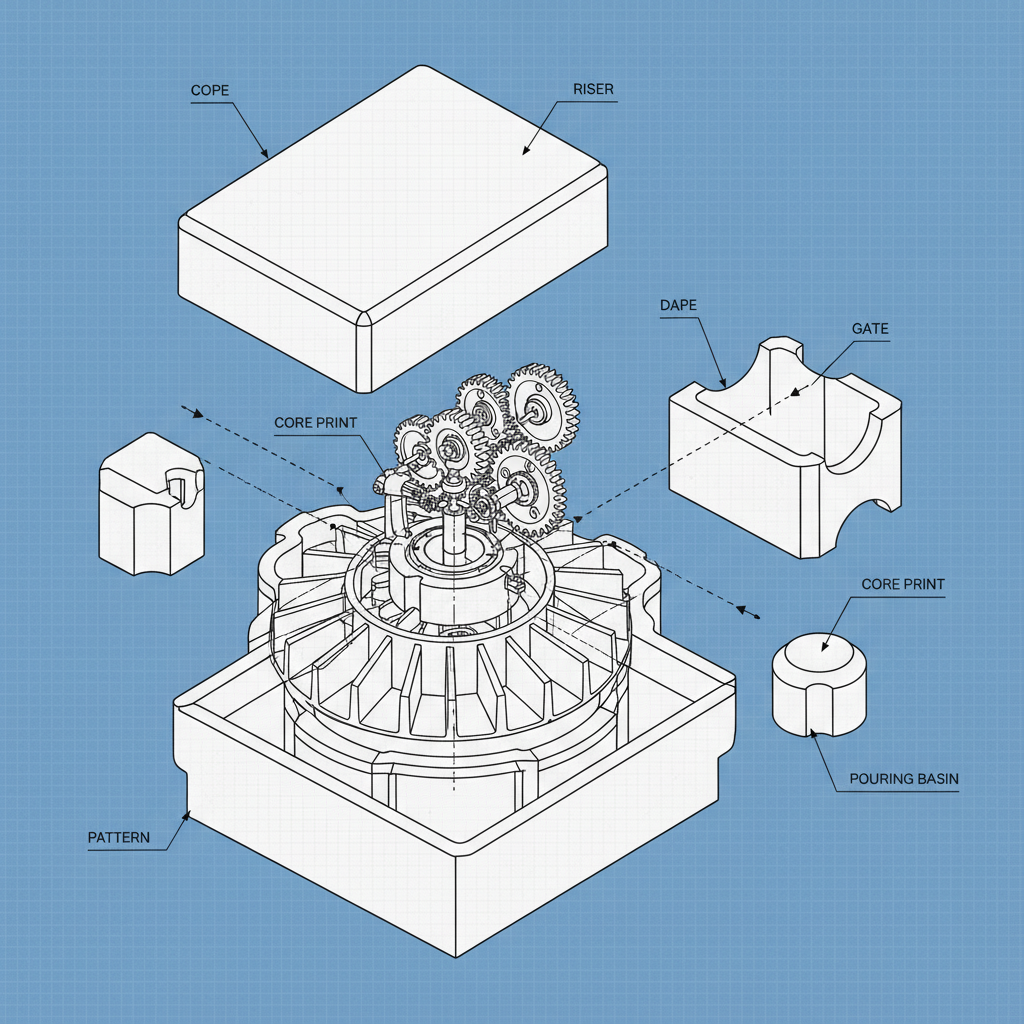
The sand casting process involves creating a mold from sand, pouring molten metal into the mold cavity, and then allowing the metal to solidify. Once solidified, the mold is broken away, revealing the cast part. The core steps include pattern making, mold making, melting, pouring, cooling, and finishing. Each step requires careful attention to detail to ensure the accuracy and quality of the final product. The type of sand used, typically silica sand, is critical, along with binders that provide strength and cohesiveness to the mold. The process is relatively simple, making it accessible for both small-scale and large-scale production runs.
Key Highlights: The process is relatively simple, making it accessible for both small-scale and large-scale production runs. The type of sand used is critical to the overall process.
Advantages of Using The Sand Cast Method
Compared to other casting methods, sand casting offers several key advantages. It’s highly versatile in terms of metal types – capable of casting iron, steel, aluminum, brass, and more. The tooling costs are relatively low, making it a good choice for prototypes and small production runs. It can produce very large parts, limited only by the capacity of the foundry. Furthermore, the process is relatively forgiving, allowing for some variations in metal composition and pouring temperature. This makes sand cast a practical and economical choice for a wide spectrum of applications.
Sand Casting Benefits:
• Versatile in terms of metal types
• Low tooling costs
• Capable of producing very large parts
• Relatively forgiving process
Sand Cast vs. Other Casting Methods: A Comparative Look
While sand casting is a versatile method, it's important to compare it with other common casting processes to understand when it's the optimal choice. Die casting, for example, is more precise and produces smoother surfaces but is significantly more expensive for tooling and is limited in the size of parts it can create. Investment casting offers excellent detail and surface finish but is generally used for smaller, more complex parts. The choice depends on factors like production volume, required precision, material type, and budget.
Applications of The Sand Cast Process Across Industries
The applications of sand casting are remarkably diverse. In the automotive industry, it's used to create engine blocks, cylinder heads, and transmission housings. In the construction sector, it’s employed to manufacture large valves, pumps, and housings. Aerospace utilizes sand casting for complex structural components. Furthermore, the process is often used for creating artistic sculptures and architectural elements. Its adaptability makes it a go-to solution for producing custom parts and components across numerous fields.
Future Trends in Sand Cast Technology
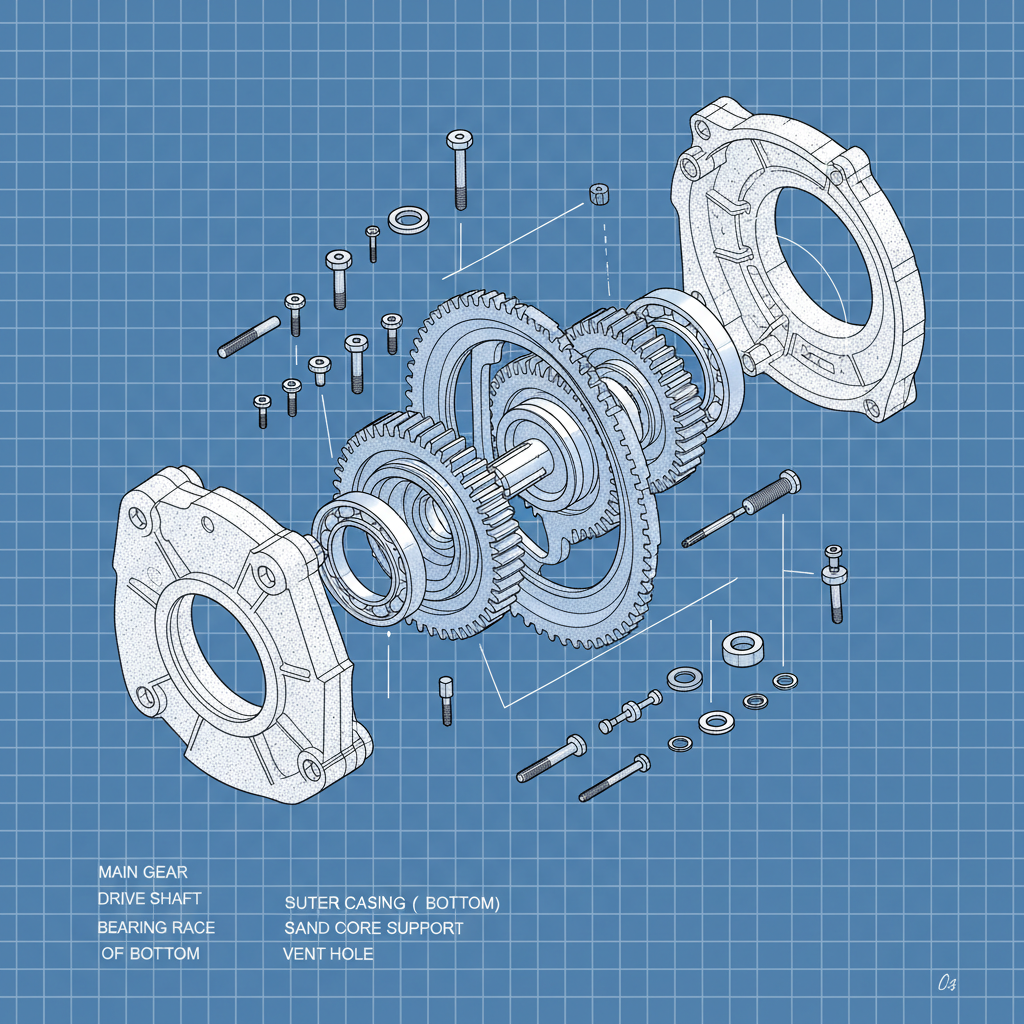
While a time-honored process, sand casting is continually evolving. Modern advancements include the use of 3D-printed sand molds, automation of mold making processes, and improvements in sand binder technologies. These innovations are leading to increased precision, reduced cycle times, and lower production costs. The integration of digital technologies, such as simulation software, allows for optimized mold designs and reduced material waste. As sustainability becomes increasingly important, research into environmentally friendly sand binders and recycling methods is also gaining momentum.
Conclusion: The Enduring Relevance of Sand Casting
Sand casting remains a vital manufacturing process due to its versatility, cost-effectiveness, and ability to produce complex geometries. Ongoing innovations continue to enhance its capabilities, ensuring its relevance in the modern industrial landscape. Sinoceramsite is dedicated to providing high-quality sand casting solutions.
Frequently Asked Questions (FAQs)
What types of metals can be used in sand casting?
Sand casting is remarkably versatile in the metals it can accommodate. Common metals include iron (grey iron, ductile iron), steel (carbon steel, alloy steel), aluminum alloys, brass, bronze, and even some high-temperature alloys like nickel-based superalloys. The choice of metal depends on the application requirements, such as strength, corrosion resistance, and operating temperature. The sand casting process can be adapted to different metal properties through adjustments in pouring temperature, mold design, and sand composition.
What are the limitations of sand casting?
While versatile, sand casting has some limitations. Surface finish is generally rougher compared to other casting methods, requiring post-processing operations like machining. Dimensional accuracy is also somewhat lower, necessitating tighter tolerances and potential for additional machining. Complex geometries with intricate details can be challenging to reproduce accurately. Furthermore, the process can be labor-intensive, especially in traditional setups. However, advancements in automation and mold-making technologies are continuously addressing these limitations.
How does mold material affect the quality of the sand cast part?
The mold material, primarily the type of sand and binder, plays a crucial role in the quality of the final casting. Silica sand is commonly used due to its high melting point and availability. Binders, like clay, resin, or sodium silicate, provide the necessary strength and cohesiveness to the mold. The grain size, shape, and distribution of the sand affect surface finish and dimensional accuracy. The binder type influences mold permeability and collapsibility. Careful selection and preparation of the mold material are essential for achieving the desired casting quality.
What is the role of a core in sand casting?
A core is used in sand casting to create internal cavities or hollow sections within the casting. Cores are typically made from sand mixed with a binder, similar to the mold, and are inserted into the mold cavity before pouring the molten metal. After the metal solidifies, the core is removed, leaving behind the desired internal shape. Core design and placement are critical for ensuring the accuracy and integrity of the internal features of the casting.
Next:Comprehensive Guide to Steel Sand Casting Foundry and Precision Manufacturing