
The lost foam casting foundry process is a revolutionary method that has transformed the way metal components are produced, especially in specialized industries such as marine manufacturing. This innovative technique involves creating a foam pattern that is coated with a ceramic shell, allowing for intricate designs and superior surface finishes. In the marine industry, where precision and durability are paramount, the lost foam casting method provides significant advantages over traditional casting processes. The use of foam patterns not only simplifies the manufacturing process but also reduces waste, making it an environmentally friendly option. Foundries utilizing this method can produce complex shapes with high dimensional accuracy, which is essential for marine components that must withstand harsh conditions. By employing advanced technologies and materials, lost foam casting manufacturers are able to meet the demanding specifications required in marine applications, ensuring that each component is both lightweight and robust.
The Role of Lost Foam Casting Materials in Marine Applications
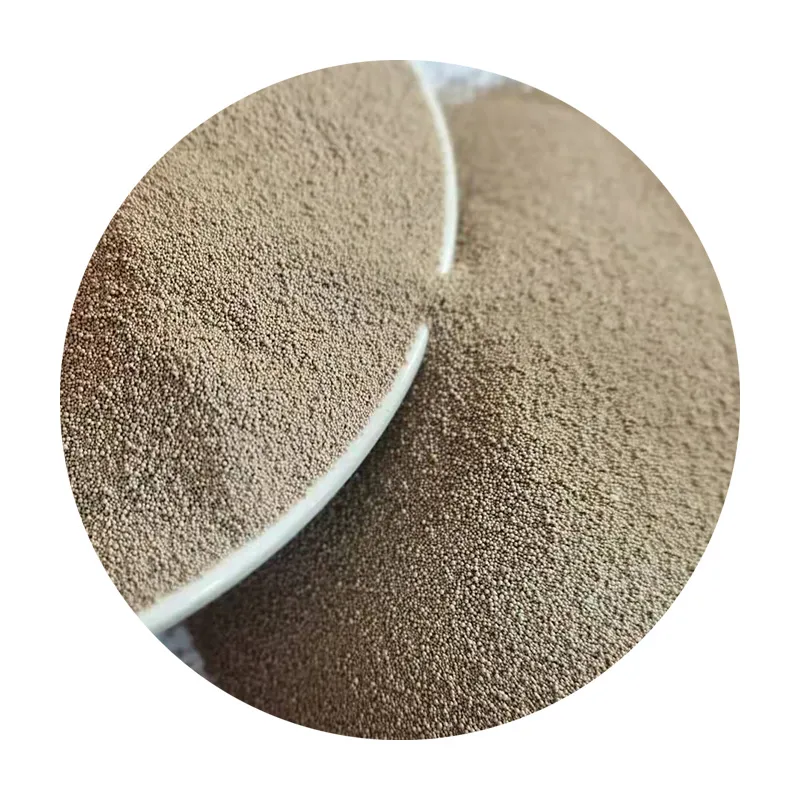
The selection of appropriate lost foam casting materials is crucial for achieving optimal results in the marine industry. Typically, the foam patterns used in this process are made from polystyrene or a similar material that can easily be vaporized during the casting process. This allows the molten metal to flow into the cavity left by the foam, creating a precise replica of the original pattern. In marine applications, where corrosion resistance and strength are vital, foundries often choose high-quality alloys that can withstand exposure to saltwater and other harsh environments. Additionally, the ceramic shell used in the lost foam casting method plays a significant role in determining the final properties of the castings. By utilizing ceramic sand, foundries can enhance the thermal stability and strength of the mold, ensuring that it can withstand the high temperatures associated with molten metal. This combination of carefully selected materials and innovative techniques allows for the production of lost foam castings that meet the rigorous demands of the marine industry, resulting in components that are not only functional but also reliable.
Advantages of the Lost Foam Casting Method in Marine Manufacturing
The lost foam casting method offers numerous advantages that make it particularly well-suited for marine manufacturing. One of the most significant benefits is the ability to create complex geometries with minimal machining. This is crucial in the marine industry, where components often require intricate designs for optimal performance. By eliminating the need for extensive machining, foundries can reduce production time and costs, allowing for faster turnaround times on projects. Furthermore, the lost foam casting foundry process minimizes material waste, as the foam pattern is completely consumed during casting, leaving no excess material to dispose of. This eco-friendly aspect is increasingly important in today’s manufacturing landscape, where sustainability is a priority for many businesses. Additionally, the precision achieved through this method results in fewer defects and higher quality castings, which are essential for ensuring the safety and reliability of marine components. The ability to produce lightweight yet strong parts is another key advantage, as marine vessels benefit from reduced weight for improved fuel efficiency and performance. Overall, the lost foam casting manufacturers leveraging this method are well-positioned to meet the evolving needs of the marine industry.
Exploring the Future of Lost Foam Castings in the Marine Sector
As the marine industry continues to evolve, the demand for innovative manufacturing techniques like lost foam castings is expected to grow. Advances in technology are paving the way for even more efficient production methods, allowing foundries to optimize their processes further. For instance, the integration of computer-aided design (CAD) and simulation software enables manufacturers to refine their patterns and molds before production, reducing the likelihood of errors and enhancing overall quality. Moreover, ongoing research into new lost foam casting materials is opening up possibilities for even more resilient and lightweight alloys, which will be essential as marine vessels are designed to be more fuel-efficient and environmentally friendly. The adoption of automation and robotics in foundries is also set to revolutionize the lost foam casting method, streamlining operations and increasing production capacity. With a focus on sustainability and performance, the future of lost foam casting foundry processes looks promising, making it an attractive option for marine manufacturers seeking to stay competitive in a rapidly changing market.
FAQs: Lost Foam Casting in Marine Industry
What is lost foam casting?
Lost foam casting is a manufacturing process that uses foam patterns coated with a ceramic shell to create metal castings. The foam is vaporized when molten metal is poured, leaving a precise cavity for the metal to fill.
Why is ceramic sand important in lost foam casting?
Ceramic sand enhances the thermal stability and strength of the mold, allowing it to withstand high temperatures during the casting process. This is crucial for producing durable marine components.
How does lost foam casting reduce waste?
In lost foam casting, the foam pattern is completely consumed during the process, leaving no excess material. This minimizes waste compared to traditional casting methods that may require additional machining.
What types of materials are used in lost foam casting for marine applications?
Common materials include polystyrene for foam patterns and high-quality alloys that resist corrosion and wear, ensuring the longevity and reliability of marine components.
Can lost foam castings be customized for specific marine applications?
Yes, lost foam castings can be tailored to meet specific design requirements, allowing manufacturers to create complex geometries that are essential for various marine applications.
Explore our premium range of lost foam casting materials and solutions tailored for the marine industry. As a trusted supplier, we offer high-quality products that meet the exacting standards of marine manufacturers. Visit our website to discover how our offerings can enhance your production processes and ensure the durability of your marine components. Invest in innovation—choose us for your lost foam casting needs.
Next:Mastering Different Types of Foundry Sand for Optimal Casting Results