
What is Sand Casting Used to Make?
Sand casting, one of the oldest and most widely used metal casting processes, plays a vital role in the manufacturing of various metal components. This method has been employed for centuries and continues to be a critical technique in the production of a diverse range of products across numerous industries. The primary material used in sand casting is sand, which serves as the mold material due to its excellent properties, such as refractoriness, permeability, and ability to retain shape.
The Basics of Sand Casting
The sand casting process involves creating a mold from sand and then pouring molten metal into that mold to form a desired shape. The basic steps include making the pattern, preparing the sand, creating the mold, pouring the metal, and finally, removing the casting from the mold once it has cooled. The precision of the process allows intricate shapes and forms to be cast, making it an ideal choice for producing complex components.
Applications of Sand Casting
Sand casting is employed in a wide range of applications, including
1. Automotive Parts The automotive industry heavily relies on sand casting for the production of engine blocks, cylinder heads, transmission cases, and various other components. The ability to cast large and heavy parts accurately makes sand casting particularly suited for this field.
2. Aerospace Components The aerospace industry also utilizes sand casting to manufacture components such as turbine housings, brackets, and engine parts. Due to the high level of precision required in these applications, sand casting provides a reliable method for producing lightweight yet strong parts.
3. Industrial Machinery Equipment used in various industries, including construction, agriculture, and manufacturing, often incorporates sand cast components. Parts such as pump housings, gearboxes, and structural components can all be produced using this efficient casting method.
4. Marine Applications Sand casting is used to fabricate marine hardware, including propellers, engine blocks, and fittings. The process is suitable for producing corrosion-resistant materials that can withstand harsh marine environments.
what is sand casting used to make
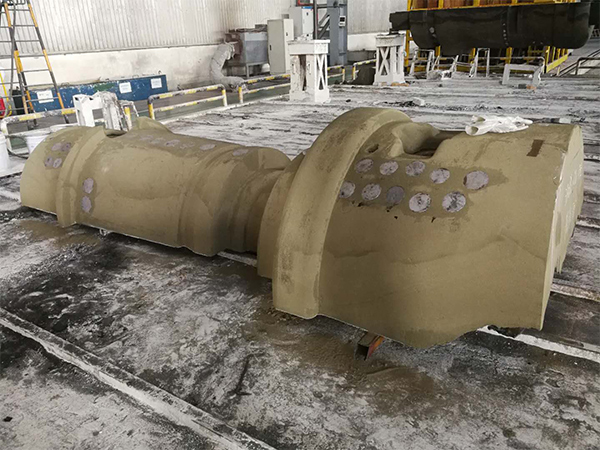
5. Art and Sculpture Beyond industrial applications, sand casting has also been employed in artistic endeavors. Sculptors often create intricate designs in metal, using sand casting as a means to translate their artistic visions into tangible works of art.
Advantages of Sand Casting
Sand casting offers several advantages that contribute to its widespread use
- Cost-Effectiveness Sand casting is generally less expensive compared to other casting methods, particularly for low to medium production runs. The materials used, primarily sand, are readily available and inexpensive.
- Versatility The process can accommodate a wide variety of metals, including aluminum, iron, and copper alloys. This versatility allows manufacturers to choose the most suitable metal for their specific application.
- Complex Shapes Sand casting is well-suited for producing complex shapes that may be challenging to achieve with other methods. The mold can be customized to create detailed designs, making it ideal for intricate components.
- Low Setup Time The setup time for sand casting is relatively low compared to other casting techniques, which can lead to faster production cycles. This is especially beneficial in scenarios where quick turnaround times are crucial.
Conclusion
In conclusion, sand casting is a fundamental process used to manufacture an extensive array of components in various industries. Its cost-effectiveness, versatility, and ability to produce complex shapes contribute to its continued relevance in modern manufacturing. From automotive parts to aerospace components and artistic creations, sand casting remains a preferred method for producing quality metal products. As technology advances, the integration of innovative techniques and materials into the sand casting process will only enhance its capabilities, solidifying its place in the future of manufacturing.
Post time:Dec . 01, 2024 21:05
Next:Metaalgieten met zand technieken en tips voor optimale resultaten