
- Introduction to the uses of foundry sand
- Technical advantages of foundry sand in industrial applications
- Comparative analysis of foundry sand suppliers
- Customization solutions for unique industrial needs
- Real-world case studies demonstrating foundry sand applications
- Environmental sustainability and future trends
- Conclusion: Broad spectrum of uses of foundry sand
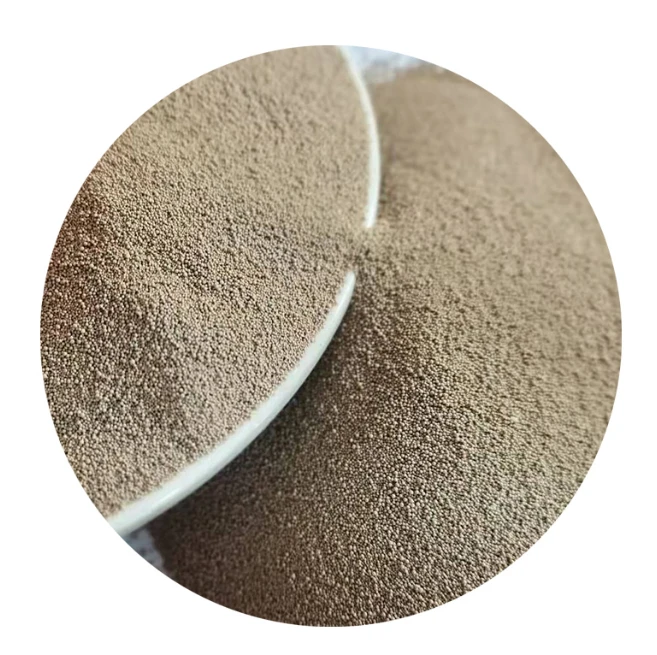
(uses of foundry sand)
Introduction to the uses of foundry sand
Foundry sand, a high-quality silica sand originally used for metal casting, has evolved into a critical resource for a range of industrial and construction applications. Engineered through repeated thermal processing to remove impurities, foundry sand demonstrates remarkable consistency and uniformity. Its distinct characteristics—superior grain size, shape, and high silica content—make it a premium material. Previously considered an industrial byproduct, its current utilization transcends the foundry sector, featuring in civil engineering, construction materials, and even agricultural applications. According to industry reports, over 8 million tons of foundry sand are generated annually in the United States alone, of which an increasing percentage is recycled or repurposed, reducing the environmental footprint of traditional waste disposal.
Technical Advantages in Industrial Applications
The technical superiority of foundry sand is rooted in its unique physical and chemical features. With a typical silica content of over 90%, foundry sand affords high heat resistance, minimal thermal expansion, and optimal permeability—parameters crucial for molding complex metal parts. Resin coated sand, a specialized variant, benefits core making and intricate castings by offering enhanced strength at high temperatures and smoother mold surfaces. For example, resin coated sand demonstrates compressive strength up to 4000 psi, almost double that of green sand systems. These properties have positioned foundry sand as a robust component in geotechnical fills, embankment bases, and road subgrades. In addition, foundry sand’s uniform particle size distribution ensures excellent load-bearing capacity, leading to improved compaction factors and reduced settlement in structural fills.
Comparative Analysis of Leading Foundry Sand Suppliers
The foundry sand market is serviced by a handful of globally recognized suppliers, each offering materials with nuanced performance profiles. The table below presents a comparative overview of three major vendors, focusing on crucial technical parameters and customer services.
| Supplier | Silica Content (%) | Typical Grain Fineness | Resin Coated Sand Availability | Bulk Density (g/cm³) | Custom Packaging | Lead Time | Recycling Support |
|---|---|---|---|---|---|---|---|
| GlobalSand Corp. | 98.2 | AFS 45-55 | Yes | 1.55 | Yes | 2 weeks | Offered |
| PrimeFoundries Ltd. | 96.8 | AFS 50-60 | No | 1.49 | Limited | 4 weeks | Not Offered |
| EcoSand Suppliers | 94.6 | AFS 40-50 | Yes | 1.60 | Yes | 3 weeks | Enhanced |
This comparative data highlights that choosing the right supplier not only depends on raw material quality but also packaging flexibility, delivery timelines, and sustainability initiatives—factors increasingly valued by large-scale manufacturers and contractors.
Customization Solutions for Unique Industrial Needs
Recognizing the diverse requirements across sectors, suppliers now offer customizable foundry sand products. Grain size, angularity, and coating thickness can be precisely tailored for desired flowability or binding strength. For metal casting clients, developing custom resin formulations allows for optimizing surface finish and minimizing pour defects. In the context of geotechnical engineering, foundry sand blends can be engineered to meet project-specific compaction standards, crucial for dams and retaining wall backfills. Moreover, advanced resin coated sand enables manufacturers to design cores that withstand higher core gas pressures, facilitating the casting of intricate thin-walled components and expanding design freedom for automotive and aerospace industries. Collaborative product development between users and suppliers ensures performance targets such as compressive strength, collapsibility, and eco-compliance are consistently achieved.
Real-world Case Studies Demonstrating Foundry Sand Applications
Several successful implementations underline the versatility of foundry sand. In Illinois, a highway expansion project utilized 60,000 tons of recycled foundry sand in embankment fills, resulting in a 30% reduction in material costs compared to conventional sand, while maintaining all geotechnical requirements. In another case, a leading automotive manufacturer replaced traditional molding sand with high-purity resin coated sand, which led to a 20% reduction in casting reject rates due to superior surface finish and lower gas evolution. Agricultural research has also recorded that mixed foundry sand improves root zone aeration and drainage for crops such as turfgrass. Overall, the adaptability of foundry sand, both in raw and resin coated variants, has facilitated its integration into non-traditional sectors, broadening its sustainability impact.
Environmental Sustainability and Future Trends
The eco-friendly profile of foundry sand is receiving renewed attention as industries face stricter environmental regulations. Reusing foundry sand diverts significant quantities from landfills. According to EPA data, the reuse of foundry sand in construction projects can conserve nearly 4 million tons of virgin resources annually in the United States. Innovations in resin technology are now producing binders with reduced volatile organic compound (VOC) emissions, further minimizing the ecological impact. Future trends suggest an upward curve in the utilization of foundry sand in polymer composites and soil stabilization projects. Regulatory incentives and growing corporate focus on circular economy principles will likely accelerate the rate of secondary foundry sand uses, affirming its role in sustainable manufacturing.
Conclusion: Broad Spectrum of Uses of Foundry Sand
The uses of foundry sand extend well beyond metal casting, encompassing advanced industrial, civil, and environmental applications. Technical advancements and tailored customization have driven its adoption into new markets, while rigorous supplier comparison ensures optimized project outcomes. Real-world examples testify to its operational, economic, and ecological strengths, and continued innovation foresees expanded roles for both standard and resin coated sand uses across industries. In an era that prizes both efficiency and sustainability, foundry sand proves itself a resilient and resourceful material choice.
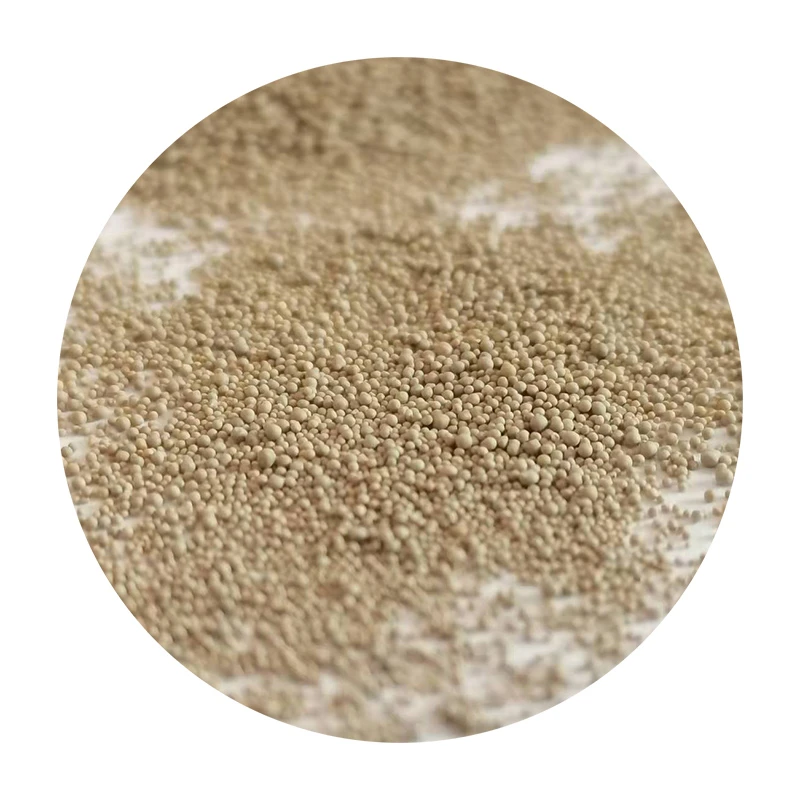
(uses of foundry sand)
FAQS on uses of foundry sand
Q: What are the main uses of foundry sand?
A: Foundry sand is primarily used in the metal casting industry to create molds for metal components. After its primary use, it can also be recycled for construction and soil improvement applications.Q: How is foundry sand beneficial in construction?
A: Used foundry sand can be utilized as an aggregate in concrete, asphalt, and embankments. Its consistency and properties make it a sustainable alternative to natural sand in construction projects.Q: What are common foundry sand uses outside the foundry industry?
A: Beyond casting, foundry sand is employed in soil conditioning, road base, and landfill lining. Its recyclability makes it an eco-friendly substitute in various civil engineering works.Q: What is resin coated sand and its primary uses?
A: Resin coated sand is mainly used to produce cores and molds for precision casting in automotive and aerospace industries. Its enhanced strength and resistance to moisture make it ideal for complex casting shapes.Q: Can spent foundry sand be safely reused?
A: Yes, spent foundry sand can be safely reused in applications like structural fill, flowable fill, and as a substitute for natural sand in construction. Regulatory guidelines ensure its safe and beneficial reuse.Next:Is Sand Casting Sustainable? Eco-Friendly Metal Casting vs Die & Permanent Mold Casting