
Understanding the Density of Foundry Sand
Foundry sand is a crucial component in the metal casting process, and its density plays a significant role in the quality of the final casting. The density of foundry sand affects mold permeability, compaction, and the overall structural integrity of the mold. At Sinoceramsite, we specialize in providing high-quality foundry sand solutions tailored to meet diverse casting needs. This article will explore the nuances of foundry sand density, its importance, factors influencing it, and how to select the right sand for your application. Understanding these factors is vital for achieving optimal casting results.
What is Foundry Sand Density?
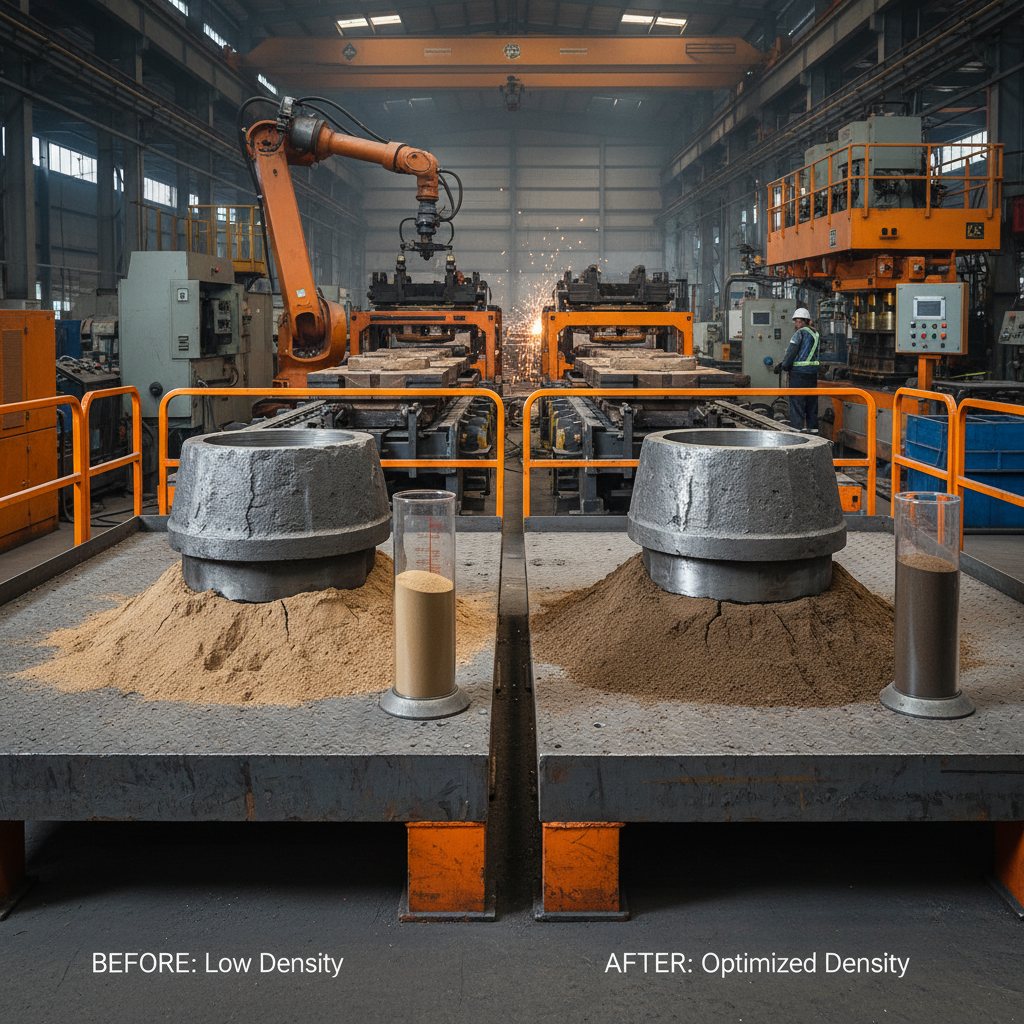
Foundry sand density refers to the mass of sand per unit volume, typically measured in grams per cubic centimeter (g/cm³) or pounds per cubic foot (lbs/ft³). It's a key physical property influencing mold making. Higher density sands generally offer better mold stability and resistance to erosion during the pouring of molten metal. However, extremely high density can reduce permeability, hindering gas venting and potentially leading to casting defects. The ideal density depends on the specific metal being cast and the complexity of the casting design. Sinoceramsite provides sands with carefully controlled densities to optimize your casting process.
Key Takeaway: Density influences mold stability, permeability, and resistance to erosion. Proper density control is crucial for minimizing casting defects.
Factors Influencing the Density of Foundry Sand
Several factors impact the density of foundry sand. These include the mineral composition of the sand grains (e.g., silica, zircon, chromite), their shape and size distribution, the presence of clay content, and the level of moisture. Rounded grains typically pack more densely than angular grains. Higher clay content can slightly increase density, but it also affects permeability. Moisture content increases density up to a certain point; excessive moisture, however, can lead to mold collapse. At Sinoceramsite, we analyze and control these factors to deliver consistent sand quality.
Key Density Influencers:
• Mineral Composition
• Grain Shape and Size
• Clay Content
• Moisture Content
Density of Foundry Sand: Common Types and Ranges
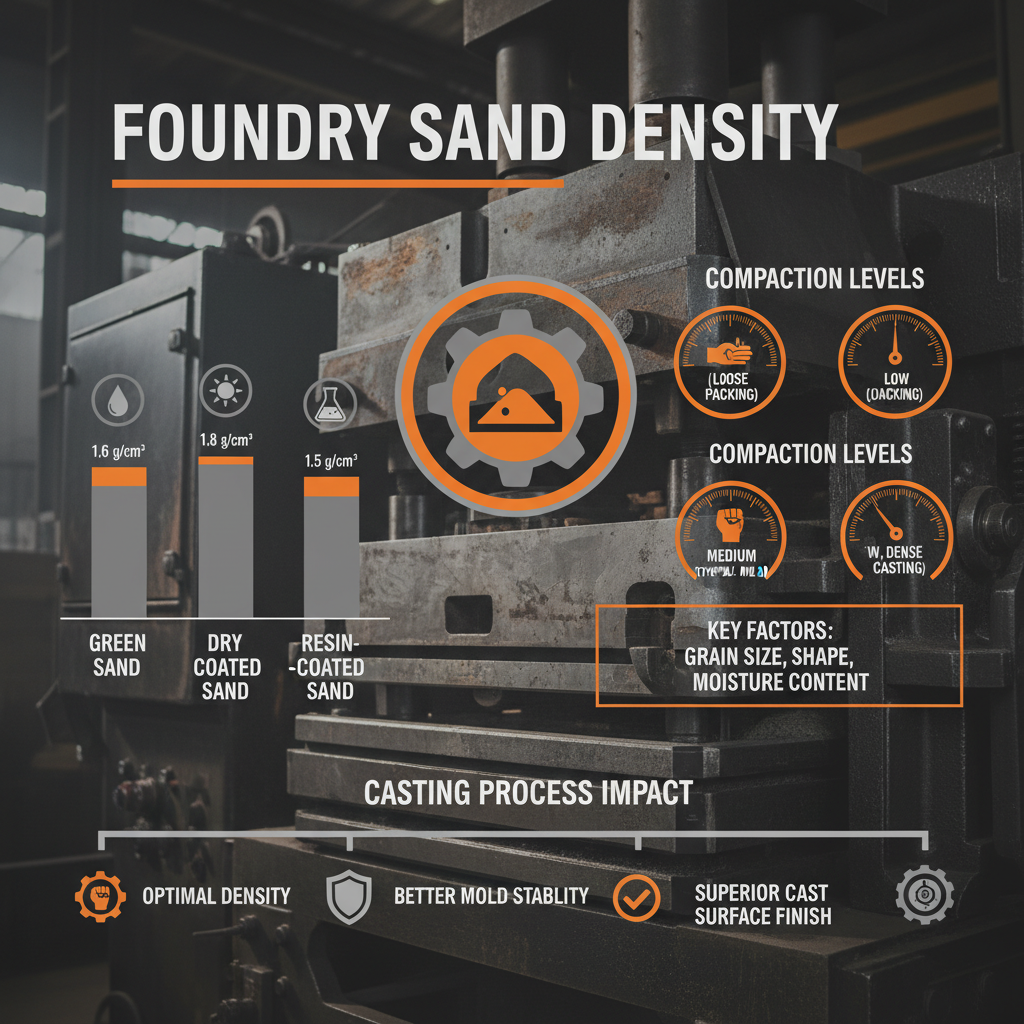
Different types of foundry sands exhibit varying densities. Here’s a comparison of typical density ranges for common sand types:
Optimizing Density for Specific Casting Applications
The ideal density of foundry sand is highly application-dependent. For example, casting larger, heavier components often benefits from higher density sands to ensure mold stability. Conversely, intricate, delicate castings require lower density sands with higher permeability to facilitate gas venting and prevent defects. At Sinoceramsite, we work with our clients to determine the optimal sand characteristics, including density, for their specific casting requirements.
Quality Control and Density Testing at Sinoceramsite
At Sinoceramsite, we employ rigorous quality control measures to ensure the consistency and accuracy of our sand's density. We utilize industry-standard testing methods, including the sand density bottle method and gas pycnometry, to precisely measure density. These tests are conducted throughout the production process and on finished products to guarantee that our sand meets the highest quality standards. We provide detailed specifications and certificates of analysis with every shipment.
Conclusion: Choosing the Right Density for Optimal Casting
Selecting the appropriate density for your foundry sand is paramount for achieving high-quality castings. Sinoceramsite offers a comprehensive range of foundry sand solutions with precisely controlled densities, backed by rigorous quality control and expert technical support. Contact us today to discuss your specific needs and optimize your casting process.
Frequently Asked Questions (FAQs)
What is the impact of sand density on mold permeability?
Generally, increasing sand density reduces permeability. This is because denser packing of sand grains creates smaller pore spaces, hindering the flow of gases generated during the casting process. Insufficient permeability can lead to gas-related defects like porosity and blowholes. However, the optimal balance must be struck; too low a density can compromise mold strength. The specific clay content and grain size distribution also significantly affect permeability, alongside density. Sinoceramsite offers sands formulated to balance density and permeability for optimal gas venting.
How does moisture content affect sand density?
Increasing moisture content generally increases sand density, as water molecules fill the spaces between sand grains. However, this effect plateaus and can even reverse with excessive moisture. Too much water weakens the mold, leading to collapse and reducing its ability to withstand the metal's pressure. The optimal moisture content depends on the sand type, binder system, and casting process. Careful control of moisture is essential for achieving the desired density and mold properties.
Can Sinoceramsite customize sand density to my specific requirements?
Yes, absolutely. Sinoceramsite specializes in providing customized foundry sand solutions. We work closely with our clients to understand their unique casting needs and tailor the sand's density, grain size distribution, clay content, and other properties to meet those requirements. We offer flexible production capabilities and rigorous quality control to ensure consistent, high-performance sand.
What are the potential consequences of using sand with incorrect density?
Using sand with incorrect density can lead to several casting defects. Low density can cause mold collapse, dimensional inaccuracies, and poor surface finish. High density can reduce permeability, resulting in gas porosity, blowholes, and incomplete castings. Ultimately, using improperly specified sand can lead to increased scrap rates, higher production costs, and compromised product quality.
Next:Precision Castings Engineering Excellence