
Foundry Sand Casting Process: A Comprehensive Guide
The foundry sand casting process is a widely used manufacturing technique for creating metal parts. It’s valued for its versatility, cost-effectiveness, and ability to produce complex geometries. This article provides a detailed overview of the process, exploring each stage, the types of materials used, common applications, and the advantages and disadvantages. Understanding this process is crucial for anyone involved in manufacturing, engineering, or sourcing metal components. Sinoceramsite offers high-quality materials for optimizing your casting process.
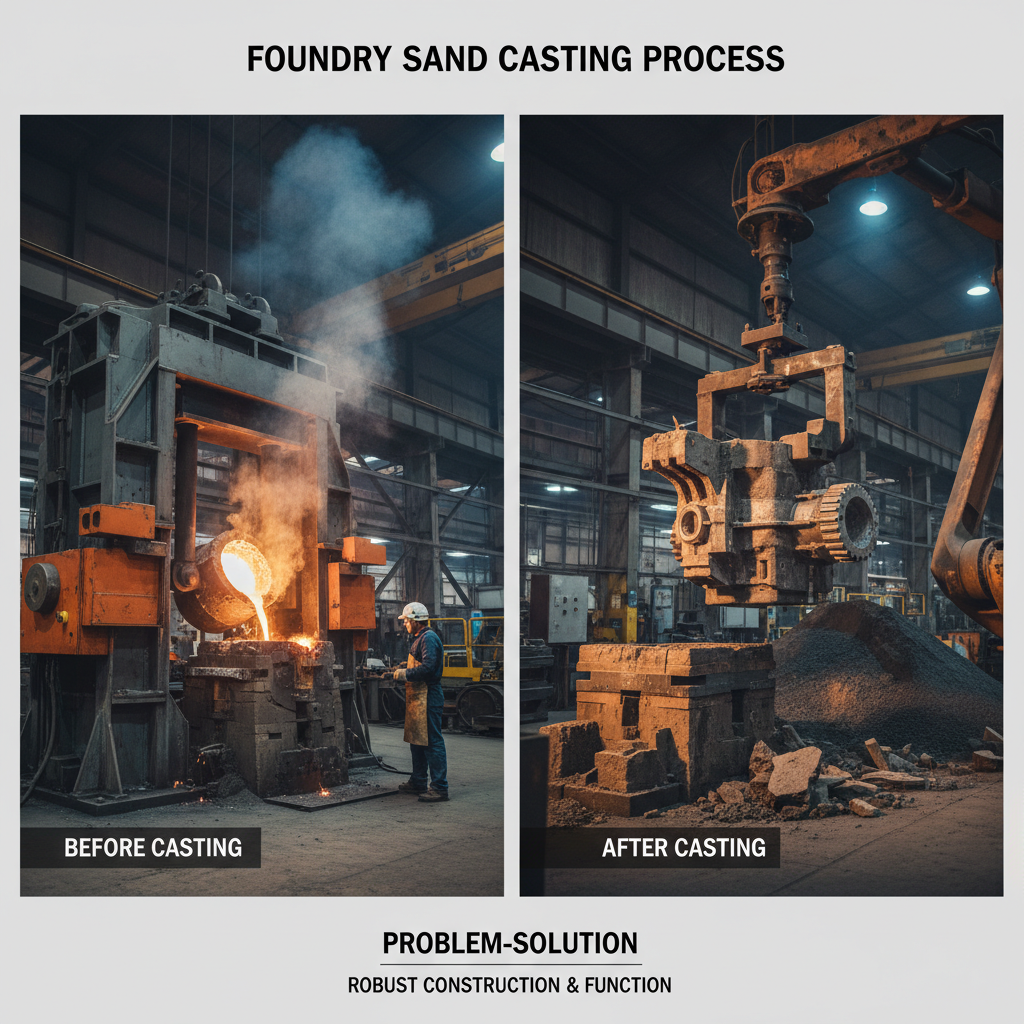
Step-by-Step: The Foundry Sand Casting Process
The foundry sand casting process involves several key stages. First, a pattern – a replica of the desired final product – is created. This pattern is then used to create a mold cavity within compacted sand. Molten metal is poured into this cavity, allowed to solidify, and then the casting is extracted. Each step requires precision and control to ensure a high-quality finished product. Let's explore each stage in detail:
Key Steps: Pattern Making, Mold Making, Melting, Pouring, Cooling, Finishing.
Materials Used in Foundry Sand Casting
A variety of materials are used in the foundry sand casting process. The sand itself is typically silica sand, but other materials like zircon, chromite, or olivine can be used depending on the specific application and metal being cast. Binders, such as clay, bentonite, or chemical resins, are added to the sand to hold it together. The molten metal can be any castable alloy, including iron, steel, aluminum, brass, and bronze. Choosing the right materials is critical for achieving the desired mechanical properties and dimensional accuracy.
Types of Molding Sands and Their Applications
Different types of molding sands are suited for different applications. Green sand, a mixture of silica sand, clay, and water, is the most common and is cost-effective for high-volume production. Dry sand molds are baked to increase strength and dimensional accuracy. Shell molding uses a resin-coated sand to create a thin, strong shell. Here’s a comparison:
Advantages and Disadvantages of Foundry Sand Casting
Like any manufacturing process, foundry sand casting has both advantages and disadvantages. Advantages include its ability to cast complex geometries, the versatility in materials that can be used, and its relatively low tooling costs. However, it can also be labor-intensive, produce parts with lower dimensional accuracy compared to other processes, and result in a rough surface finish. Selecting this process requires careful consideration of these factors.
Advantages & Disadvantages:
• Advantages: Versatility, low tooling cost, ability to cast complex shapes.
• Disadvantages: Labor intensive, lower dimensional accuracy, rough surface finish.
Applications of Foundry Sand Casting
Foundry sand casting is used in a vast array of industries. Automotive manufacturers utilize it for engine blocks, cylinder heads, and transmission housings. Aerospace components, such as brackets and housings, are often created using this process. The construction industry relies on sand castings for pipes, valves, and fittings. Machine tools, agricultural equipment, and even art pieces are also commonly produced via sand casting.
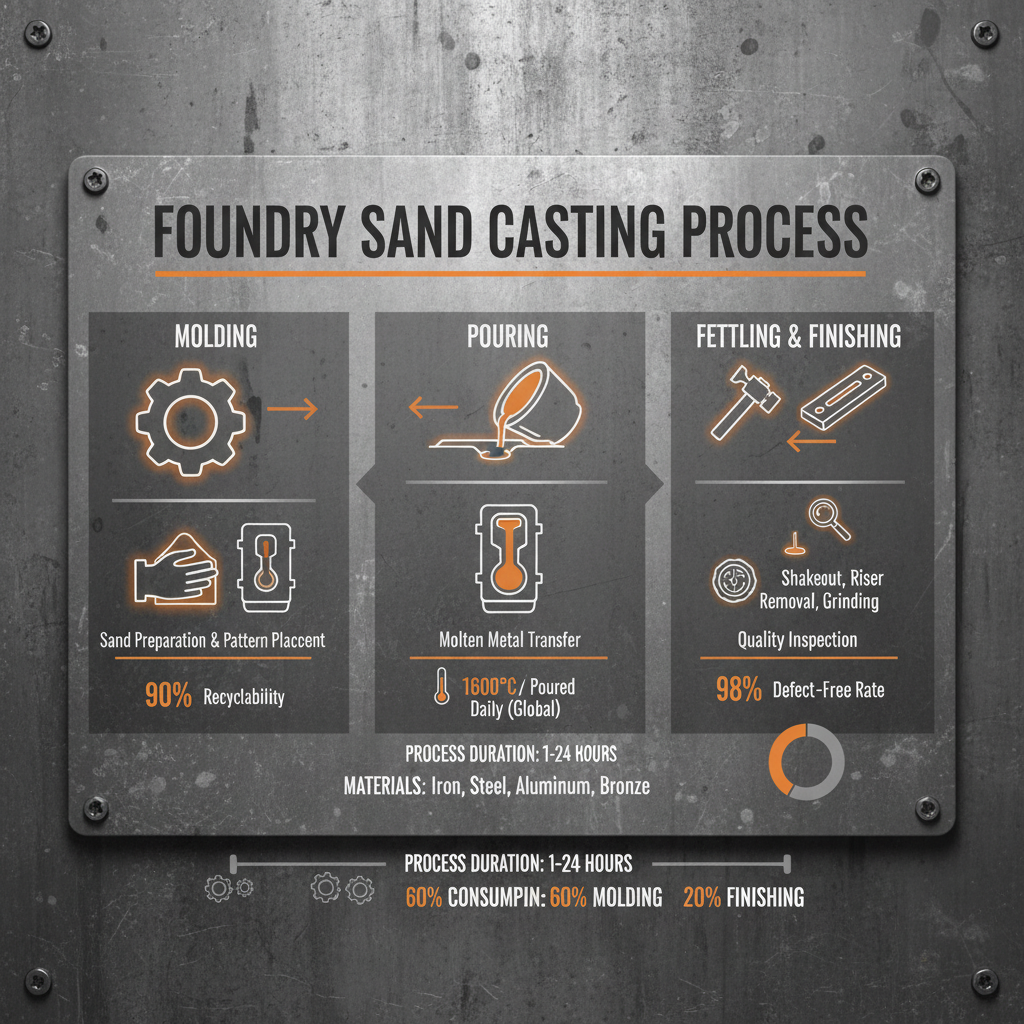
Conclusion: The Enduring Relevance of Sand Casting
The foundry sand casting process remains a vital manufacturing technique due to its versatility, cost-effectiveness, and ability to produce complex shapes. While newer technologies are emerging, sand casting continues to be a preferred choice for many applications. By understanding the process, its advantages, and limitations, manufacturers can leverage its capabilities to create high-quality metal parts efficiently. Sinoceramsite is committed to providing the materials and expertise needed to optimize your sand casting operations.
Frequently Asked Questions (FAQs)
What are the common defects in sand casting?
Common defects in sand casting include gas porosity (caused by gases trapped during pouring), shrinkage cavities (resulting from metal contraction during solidification), and sand inclusions (sand particles adhering to the casting). Misruns and cold shuts occur when the molten metal doesn't fill the mold cavity completely. Careful control of pouring temperature, mold design, and material selection can minimize these defects. Proper venting of the mold is also essential to prevent gas build-up.
What is the role of the pattern in sand casting?
The pattern is a crucial component in sand casting. It’s a replica of the desired final part and is used to create the mold cavity. Patterns are typically made from wood, metal, or plastic. An allowance is added to the pattern's dimensions to account for metal shrinkage during solidification. The pattern must be accurately sized and shaped to ensure the final casting meets the required specifications. Patterns can be single-use (expendable) or reusable, depending on the production volume.
How does the cooling rate affect the casting quality?
The cooling rate significantly impacts casting quality. Faster cooling rates can lead to shrinkage defects and internal stresses. Slower cooling rates allow for more complete metal solidification and reduce the risk of defects. Controlling the cooling rate through mold design, metal composition, and cooling methods is crucial. Techniques like directional solidification can be employed to minimize porosity and improve the mechanical properties of the casting.
What metals are commonly cast using the sand casting process?
A wide variety of metals can be cast using sand casting. Common choices include gray iron, ductile iron, steel (carbon, alloy, stainless), aluminum, brass, bronze, and copper alloys. The specific metal selected depends on the application's requirements, such as strength, corrosion resistance, and cost. Some metals, like aluminum and brass, are easier to cast due to their lower melting points and fluidity.
Next:Precision Engineering for Superior Castings Solutions