
Types of Sand Used in Sand Casting
Sand casting is a popular and versatile manufacturing process that allows for the production of complex metal parts. It involves creating a mold from sand, into which molten metal is poured to form the desired shape. One of the key factors that influence the quality and characteristics of the final product is the type of sand used in the casting process. In this article, we will explore the different types of sand commonly used in sand casting, their properties, and their applications.
1. Green Sand
Green sand is a mixture of silica sand, clay, and water. It is the most widely used type of sand for sand casting due to its excellent properties, including good molding strength, flexibility, and the ability to retain moisture. The term green does not refer to the color of the sand but rather its moisture content. When metal is poured into a green sand mold, the moisture evaporates, allowing for the formation of high-quality castings.
Green sand is particularly suitable for producing castings with intricate details and smooth surface finishes. It is commonly used in iron and steel castings, as well as in aluminum and bronze production for various industrial applications. Its cost-effectiveness and ease of use make it a top choice among foundries.
2. Dry Sand
Dry sand is a mixture of silica sand and additives that are blended without any moisture. The absence of water results in a finer finish and better dimensional accuracy for the castings produced. Dry sand molds are stronger and can achieve greater detail compared to green sand molds. However, the lack of moisture can lead to less flexibility, making it necessary for operators to handle the molds more carefully.
Dry sand is especially suitable for applications where surface finish and dimensional precision are critical, such as in the production of automotive components and high-precision equipment. Foundries often use dry sand for high-volume production runs where consistent quality is essential.
3. Oil-Bonded Sand
types of sand used in sand casting
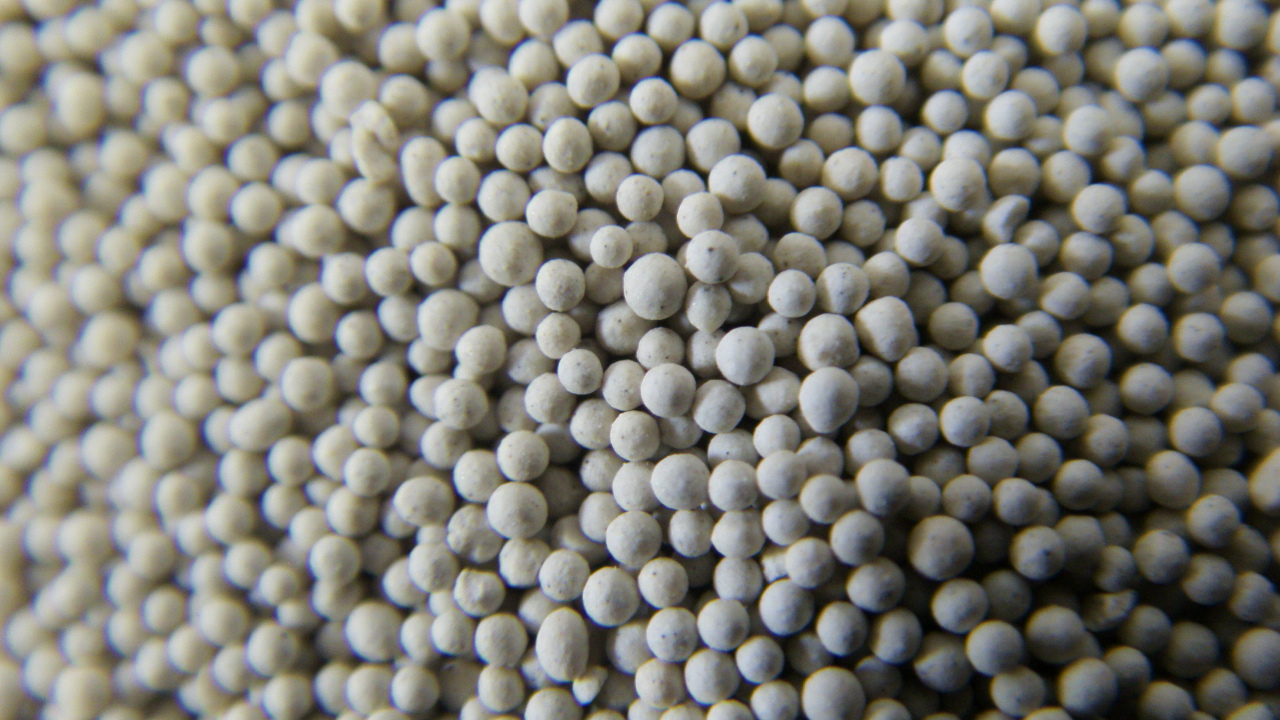
Oil-bonded sand, also referred to as oil sand, is a blend of silica sand and a specific type of oil, typically sodium silicate. This type of sand is favored for its excellent strength and workability. The use of oil creates a binding action that allows the sand grains to adhere to one another, resulting in robust molds that can withstand the pressure of molten metal.
Oil-bonded sand is particularly beneficial when creating complex shapes and thin-walled castings. Because of its high durability, it is often used in the production of molds for non-ferrous metals such as aluminum and brass. Additionally, oil-bonded sand provides a finer surface finish, which reduces the need for post-casting machining.
4. Resin-Bonded Sand
Resin-bonded sand is prepared by mixing silica sand with a thermosetting resin. This combination results in a high-strength mold that has excellent dimensional stability and can withstand high temperatures. The curing process, which typically involves heat or a catalyst, solidifies the resin, creating a rigid and durable mold.
One of the primary advantages of resin-bonded sand is its ability to produce intricate details and complex geometrical shapes. This makes it an attractive option for industries requiring precision components, such as the aerospace and medical sectors. While resin-bonded sand tends to be more expensive than traditional green sand, the quality of the castings often compensates for the additional cost.
Conclusion
The choice of sand used in the sand casting process significantly affects the quality and characteristics of the final product. Each type of sand—green sand, dry sand, oil-bonded sand, and resin-bonded sand—has its unique properties and applications. Understanding these differences allows manufacturers to select the most appropriate type of sand for their specific casting needs, ensuring optimal performance and precision in their products.
As the casting industry continues to evolve, innovations in sand materials and technologies are expected to enhance the capabilities and applications of sand casting further, making it an essential process in modern manufacturing.
Post time:Nov . 10, 2024 04:00
Next:Significance of Sand Casting in Modern Manufacturing Processes and Applications