
Types of Sand Used in Sand Casting
Sand casting is a widely-used metal casting process that involves pouring molten metal into a mold made of sand. This technique is favored for its versatility and cost-effectiveness, but the type of sand used plays a crucial role in determining the quality and properties of the final product. There are several types of sand used in sand casting, each with distinct characteristics and applications.
One of the most common types of sand used is silica sand. Composed mainly of silicon dioxide (SiO2), silica sand is abundant and provides excellent thermal stability and strength. Its granular structure helps it to retain its form during the casting process, making it ideal for producing intricate shapes. Silica sand can withstand high temperatures and is often used in foundries for a wide range of metal casting applications.
Another popular choice is chromite sand, which is derived from chromite ore. Chromite sand is notable for its excellent thermal conductivity and resistance to thermal expansion. This makes it particularly suitable for casting high-quality steel and iron parts. Although more expensive than silica sand, its unique properties often justify the cost, especially for high-precision casting where surface finish is crucial.
types of sand used in sand casting
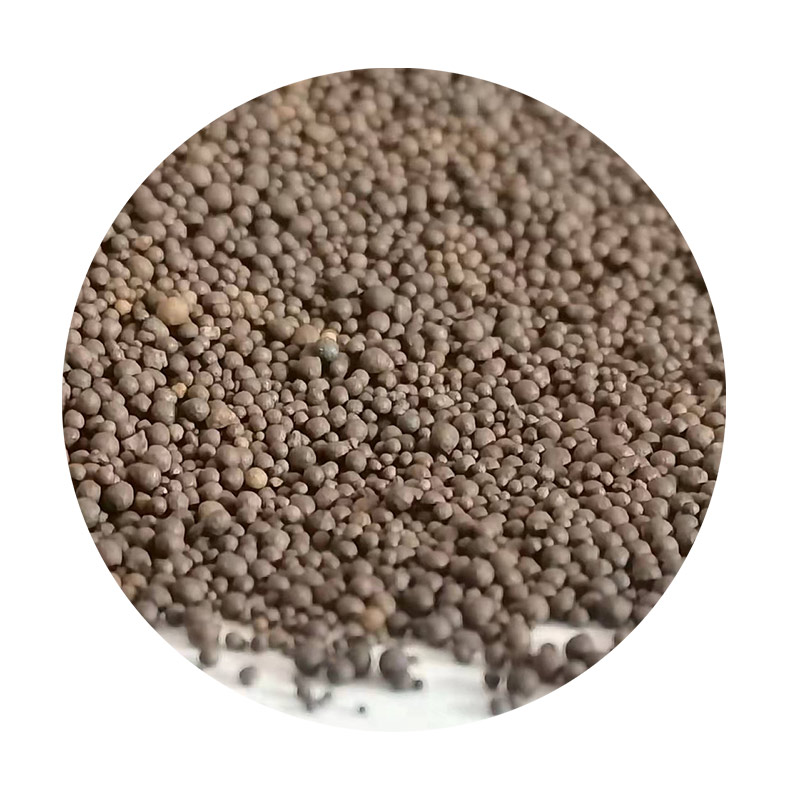
Zircon sand is yet another type utilized in sand casting. It is characterized by its high melting point and exceptional resistance to thermal shock. Zircon sand is often used for casting non-ferrous metals, such as aluminum and magnesium. Its fine grain structure enhances the surface finish of the castings, making it ideal for applications where aesthetic quality is important.
Green sand is a mixture of sand, clay, and water. This type of sand is widely utilized in foundries due to its ability to create strong molds. The clay acts as a binding agent, helping the sand particles stick together and form a stable mold structure during the casting process. Green sand is also easy to work with, making it suitable for both large and small-scale operations.
Lastly, synthetic sands, such as resin-bonded sand, have gained popularity in modern casting practices. These sands are made by mixing sand with a resin and catalyst, allowing for a more consistent grain size and improved mold strength. They create less dust and provide better dimensional accuracy, making them a preferred option in precision casting applications.
In conclusion, the choice of sand type in sand casting is essential for achieving desired casting quality and properties. Each type, including silica sand, chromite sand, zircon sand, green sand, and synthetic sands, offers unique benefits that cater to specific casting needs, thus playing a pivotal role in the overall success of the casting process.
Post time:Nov . 01, 2024 12:11
Next:Key Elements Involved in the Sand Casting Process and Their Importance