
Unlocking Superior Casting Performance with High-Grade Refractory Sands
In the demanding landscape of modern foundries, the choice of molding aggregate profoundly influences casting quality, production efficiency, and overall cost-effectiveness. Traditional sands often fall short when confronted with increasingly complex geometries, higher pouring temperatures, and stringent surface finish requirements. This is where advanced refractory materials, specifically bauxite sand, emerge as a game-changer for B2B operations seeking to elevate their metallurgical processes.
High-alumina bauxite sand offers exceptional refractory properties, thermal stability, and chemical inertness, making it an ideal choice for a wide range of ferrous and non-ferrous casting applications. Its unique composition and controlled processing result in a superior aggregate that minimizes casting defects, enhances surface finish, and extends mold life, directly contributing to improved profitability and competitive advantage.
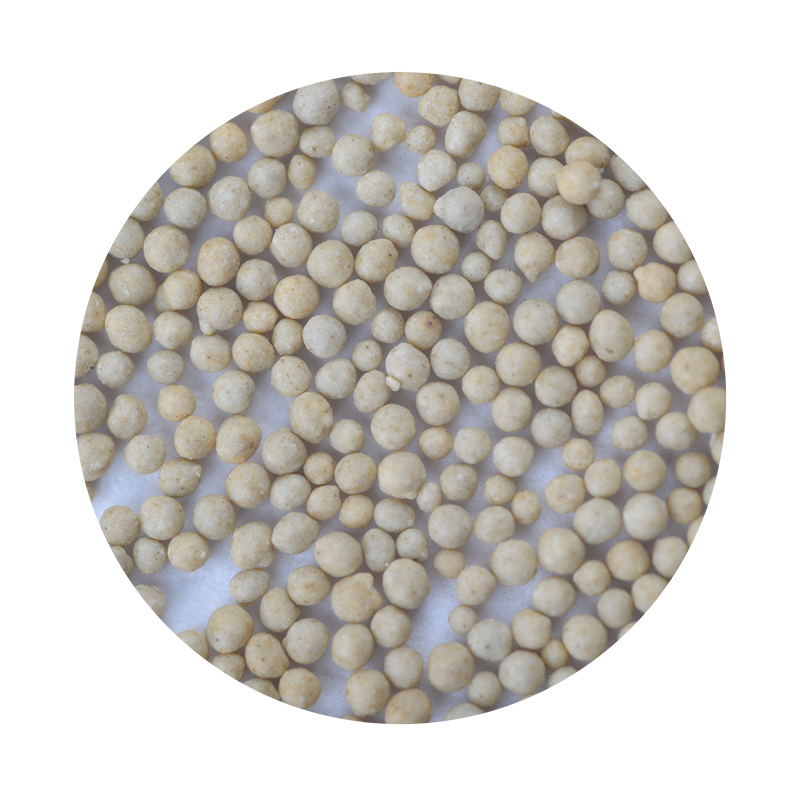
Industry Trends Driving the Adoption of Advanced Foundry Sands
The global foundry industry is undergoing significant transformation, driven by several key trends. There's a persistent demand for lighter, stronger, and more complex castings, especially in the automotive, aerospace, and renewable energy sectors. This necessitates molding materials capable of withstanding extreme conditions while delivering superior dimensional accuracy and surface integrity. Simultaneously, environmental regulations are becoming stricter, pushing foundries towards more sustainable and recyclable materials.
- Increased Casting Complexity: Modern designs often feature intricate internal passages and thin walls, requiring sands with excellent flowability and dimensional stability.
- Higher Temperature Alloys: The use of high-strength alloys like specialty steels and superalloys demands refractory materials with significantly elevated thermal resistance.
- Environmental Compliance: Pressure to reduce emissions and waste promotes materials that are reusable, inert, and contribute to cleaner production processes.
- Automation and Robotics: Consistent material properties are crucial for automated molding lines to maintain operational efficiency and reduce downtime.
These trends collectively position bauxite sand as a strategic investment for foundries looking to innovate, optimize, and maintain a competitive edge. The demand for materials like bauxite frac sand also indicates a broader industry need for high-performance, durable aggregates across various industrial applications.
Precision Manufacturing Process of High-Grade Bauxite Sand
The production of foundry-grade bauxite sand is a meticulously controlled process designed to ensure consistent quality, optimal particle morphology, and superior refractory properties. Our manufacturing adheres to stringent international standards, guaranteeing product reliability for critical casting applications.
1. Raw Material Sourcing & Beneficiation
High-quality natural bauxite ore, rich in aluminum hydroxide, is carefully selected. Initial beneficiation processes remove impurities and upgrade the ore's alumina content to specifications, typically >85% Al2O3.
2. High-Temperature Calcination
The beneficiated bauxite undergoes high-temperature rotary kiln calcination at temperatures exceeding 1600°C (2912°F). This critical step drives off volatile matter, reduces loss on ignition (LOI), and converts the bauxite into a dense, stable mullite phase, significantly enhancing its refractoriness.
3. Crushing & Grinding
The calcined bauxite clinker is then crushed and precision-ground using advanced milling equipment. This mechanical processing is controlled to achieve optimal particle shape—typically sub-angular to rounded—which is crucial for mold permeability and packing density.
4. Screening & Classification
Sophisticated multi-deck vibratory screens and air classifiers separate the ground material into precise particle size distributions (PSD), defined by AFS GFN (American Foundry Society Grain Fineness Number). This ensures uniform permeability and consistent mold strength.
5. Quality Control & Testing
Every batch undergoes rigorous quality checks conforming to ISO 9001 and relevant ASTM/ANSI standards. Tests include chemical composition (XRF), refractoriness under load (RUL), thermal expansion, particle size distribution, acid demand value, and permeability. This ensures a service life optimized for demanding conditions in petrochemical, metallurgy, and water supply & drainage industries.
6. Packaging & Distribution
The finished bauxite sand is packaged in moisture-resistant bags (e.g., 25kg, 1-ton jumbo bags) or bulk for secure and efficient delivery, ensuring product integrity from our facility to your foundry.
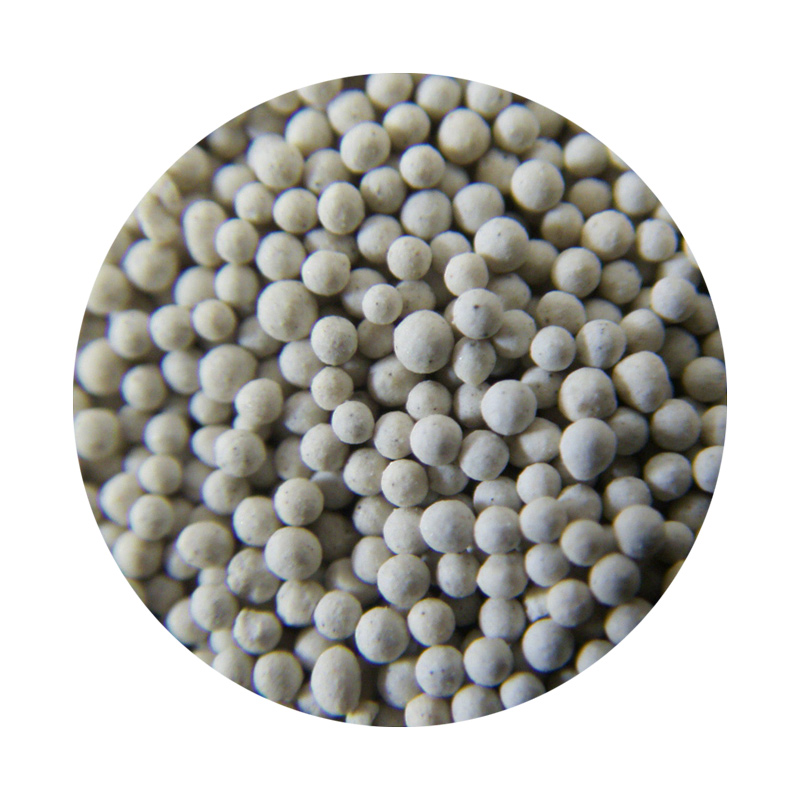
Technical Specifications of Foundry-Grade Bauxite Sand
Our bauxite sand is engineered to deliver consistent, high-performance characteristics essential for superior casting outcomes. The following table details typical specifications:
| Parameter | Unit | Typical Value | Significance for Foundries |
|---|---|---|---|
| Al2O3 Content | % | 85 - 90 | High alumina content directly correlates with superior refractoriness and thermal stability. |
| SiO2 Content | % | 5 - 8 | Low silica content reduces risk of silica fume and minimizes reaction with molten metal. |
| Fe2O3 Content | % | 1 - 2 | Low iron oxide content prevents metal penetration and reduces staining in castings. |
| Refractoriness (PCE) | °C | >1800 (Cone 35-37) | Withstands extremely high pouring temperatures without softening or degrading. |
| Specific Gravity | g/cm³ | 3.1 - 3.2 | Indicates density and contributes to mold strength and resistance to buoyancy. |
| Bulk Density | g/cm³ | 1.7 - 2.0 | Affects mold compaction and provides a robust mold structure. |
| AFS GFN (Grain Fineness No.) | 40 - 100 (Customizable) | Critical for surface finish and permeability; tailored to casting requirements. | |
| Thermal Expansion (1000°C) | % | 0.2 - 0.4 | Extremely low thermal expansion prevents casting defects like hot tears and mold cracking. |
| pH Value | 6.5 - 7.5 (Neutral) | Ensures compatibility with various binder systems without adverse chemical reactions. | |
| Angle of Repose | Degrees | 35 - 40 | Indicates excellent flowability and ease of compaction for intricate mold patterns. |
Our commitment to stringent quality control, including regular X-ray fluorescence (XRF) analysis and thermal shock testing, ensures that these parameters are consistently met or exceeded, providing unparalleled reliability for your foundry operations.
Diverse Application Scenarios Across Key Industries
The versatility and superior performance of bauxite sand make it an indispensable material across a broad spectrum of industrial applications requiring high-quality castings.
- Steel Casting: Ideal for high-manganese steel, high-chromium steel, stainless steel, and other specialty alloy castings where resistance to metal penetration and veining is crucial. Its high refractoriness prevents burn-on and produces cleaner surfaces.
- Iron Casting: Suitable for ductile iron, grey iron, and compacted graphite iron castings, especially those requiring excellent dimensional stability and a smooth surface finish. Reduces defects such as sand fusion and surface defects.
- Non-Ferrous Casting: Beneficial for copper alloys, aluminum alloys, and nickel-based alloys, offering chemical inertness that prevents reactions with molten metal, ensuring purity and integrity of the final product.
- Precision Casting & Shell Molding: Its consistent particle size distribution and low thermal expansion make it perfect for precision casting, contributing to highly accurate and intricate components with minimal post-processing.
- No-Bake & Furan Systems: Compatible with various organic and inorganic binder systems, allowing for flexibility in molding processes while maintaining high performance.
Target industries include: Petrochemical (valves, pump components), Metallurgy (furnace parts, rolls), Water Supply & Drainage (pipe fittings, hydrants), Automotive (engine blocks, transmission housings), Aerospace (complex structural components), and Heavy Machinery (large industrial castings).
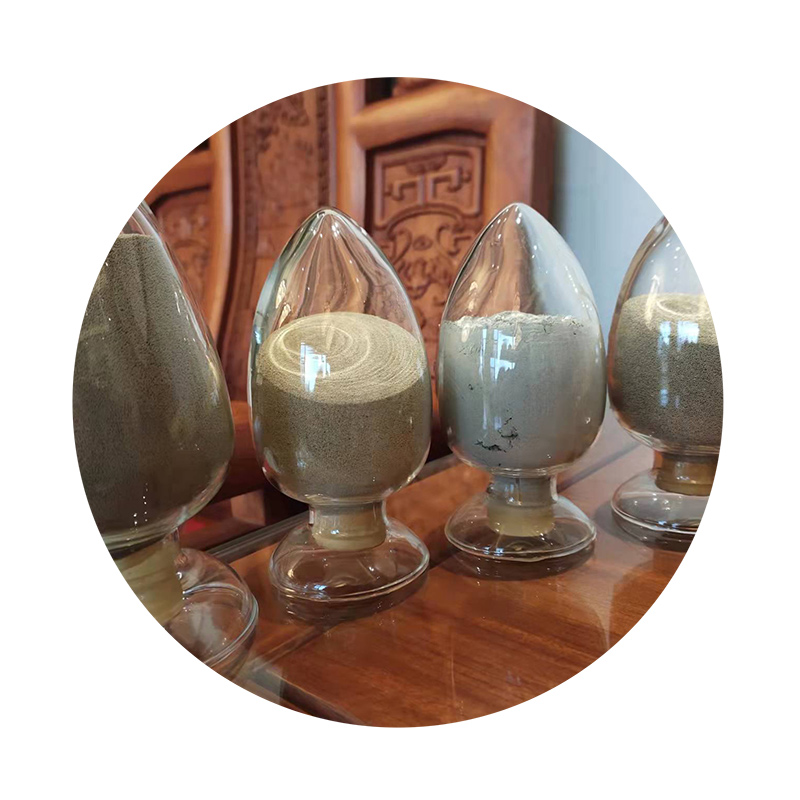
Key Technical Advantages of Bauxite Sand in Foundries
The adoption of bauxite sand in foundry operations provides a multitude of technical advantages that directly impact casting quality, operational efficiency, and cost savings:
- Exceptional Refractoriness: With a fusion point exceeding 1800°C, bauxite sand significantly outperforms silica sand, preventing metal penetration and burn-on, especially with high-temperature alloys. This leads to reduced cleaning costs and less rework.
- Low Thermal Expansion: Its inherently low and stable thermal expansion coefficient minimizes mold distortion and stress during pouring, effectively combating common defects such as hot tears, scabbing, and cracking. This translates to higher dimensional accuracy and fewer scrapped castings.
- Superior Thermal Shock Resistance: The mullitic structure of calcined bauxite provides excellent resistance to thermal cycling, ensuring mold integrity even under rapid temperature changes, crucial for complex and large castings.
- Chemical Inertness: Being nearly neutral (pH 6.5-7.5), bauxite sand exhibits minimal reactivity with various molten metals and binder systems, preventing undesirable chemical reactions that can lead to gas defects or inclusions. This also enhances its compatibility with a broader range of binders.
- High Permeability: Its typically sub-angular to rounded grain shape and controlled particle size distribution ensure excellent permeability, allowing gases to escape easily during pouring, thereby reducing porosity and blowhole defects.
- Excellent Surface Finish: The fine, consistent grains and high packing density of bauxite sand contribute to exceptionally smooth casting surfaces, often requiring minimal shot blasting or grinding, leading to significant post-casting labor and energy saving.
- Enhanced Recyclability: Its robust physical properties and chemical stability allow for multiple cycles of reclamation and reuse, contributing to reduced raw material consumption, lower disposal costs, and a more environmentally friendly foundry operation.
These combined advantages lead to higher yield rates, reduced operational costs, and the production of castings with superior metallurgical and aesthetic properties, demonstrating clear energy saving potential and corrosion resistance for the final components.
Vendor Comparison: Choosing Your Strategic Partner
Selecting the right supplier for bauxite sand is crucial for ensuring consistent quality and reliable supply. While many vendors exist, their capabilities, quality control, and service offerings can vary significantly. This comparison highlights key differentiating factors.
| Feature | Generic Vendor A (Cost-Focused) | Generic Vendor B (Mid-Market) | Sinoceramsite (Premium & Specialized) |
|---|---|---|---|
| Al2O3 Content | Typically 80-85% | 85-88% | Consistently 88-90%+ |
| AFS GFN Range | Limited standard range | Standard range, some flexibility | Wide standard range (40-100), full customization |
| Quality Control | Basic batch testing | Standard QC protocols | ISO 9001 certified, real-time XRF, full thermal/physical testing per batch |
| Customization Options | Minimal to none | Limited particle size adjustment | Full tailoring: PSD, specific purity, packaging for unique needs |
| Technical Support | Sales support only | Basic technical advice | Dedicated R&D team, on-site consultation, application engineering support |
| Certifications | None or basic internal | Some ISO compliance | ISO 9001:2015, adherence to ASTM/ANSI, third-party verified data |
| Years of Service / Experience | Variable, often newer entrants | 5-15 years | 20+ years in refractory materials, trusted by global industry leaders |
Sinoceramsite stands out through its unwavering commitment to quality, deep technical expertise, and capability to provide tailored solutions, ensuring that clients receive not just a product, but a strategic advantage. Our partnership with renowned foundries globally, built over two decades, underscores our authoritative position in the market.
Customized Solutions for Optimized Performance
Understanding that every foundry application presents unique challenges, we offer comprehensive customized solutions for bauxite sand. Our approach goes beyond standard product offerings to ensure perfect alignment with your specific operational parameters and casting objectives.
- Tailored Particle Size Distribution (PSD): We can engineer specific AFS GFN values and narrow size ranges to optimize permeability, surface finish, and compaction characteristics for your particular molding process and casting geometry.
- Chemical Purity Adjustments: For highly specialized applications, we can refine the chemical composition to meet extremely low tolerance requirements for certain oxides (e.g., Fe2O3, TiO2) to prevent specific casting defects.
- Binder System Compatibility: Our technical team works with clients to ensure optimal compatibility with existing or new binder systems, conducting compatibility tests and recommending suitable grades.
- Packaging and Logistics: From bulk shipments to custom bag sizes and palletization, we adapt to your logistical requirements for seamless integration into your supply chain.
- R&D Collaboration: We engage in collaborative research and development projects to co-create novel refractory solutions for emerging casting technologies or exceptionally challenging applications.
This bespoke service, backed by our state-of-the-art laboratory and experienced metallurgists, ensures that you receive a bauxite sand product that is perfectly optimized for your performance, rather than a generic, off-the-shelf solution.
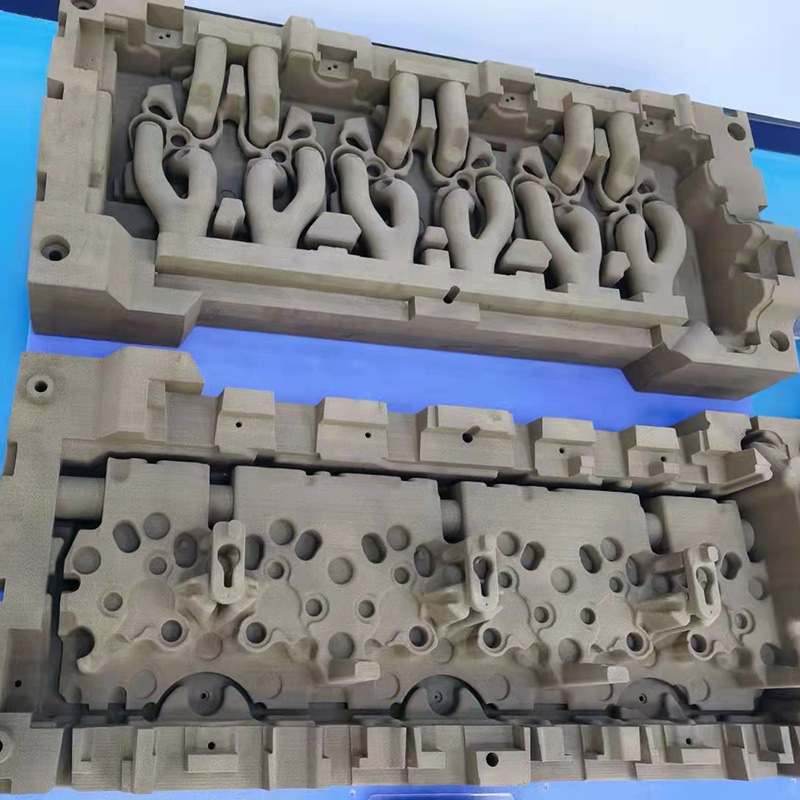
Application Case Studies: Proving Real-World Impact
Our bauxite sand has consistently delivered measurable improvements in diverse foundry environments. Here are illustrative examples of its impact:
Case Study 1: High-Precision Stainless Steel Valve Castings
A leading manufacturer of critical stainless steel valve components faced persistent issues with surface roughness, metal penetration, and localized burn-on when using chromite sand in their Furan no-bake system. The intricate internal passages required exceptional mold stability.
- Solution: Implemented Sinoceramsite's bauxite sand with an AFS GFN of 70, specifically optimized for thermal expansion and surface packing density.
- Results: Achieved a 35% reduction in cleaning and finishing time due to significantly improved surface finish (Ra value reduced by 25%). Metal penetration was virtually eliminated, and scrap rates related to surface defects dropped by 18%, leading to substantial cost savings and increased throughput.
Case Study 2: Large-Scale Ductile Iron Engine Blocks
An automotive foundry producing large ductile iron engine blocks struggled with hot tears and dimensional instability, particularly in core sections, leading to costly rework. Their existing silica sand system was insufficient for the thermal demands.
- Solution: Switched to a blend incorporating 70% bauxite sand (AFS GFN 55) for enhanced thermal stability and reduced thermal expansion, specifically targeting core mixes.
- Results: Hot tear defects decreased by 22%. Dimensional consistency improved by 15% across critical tolerances. The higher thermal stability contributed to extended core box life, reducing maintenance costs by 10% annually.
Case Study 3: Investment Casting for Aerospace Components
A specialized aerospace investment casting facility required an extremely stable and non-reactive aggregate for shell building, aiming for ultra-smooth surfaces and void-free components in nickel-based superalloys.
- Solution: Utilized ultra-fine bauxite sand with a tight AFS GFN distribution (90-100) for the primary coat in their investment casting slurry.
- Results: Achieved superior "as-cast" surface finish, minimizing subsequent machining. Reduced rejections due to surface inclusions and micro-porosity by 12%. The high refractoriness ensured shell integrity during high-temperature pouring of superalloys.
Frequently Asked Questions (FAQ)
Q: What is bauxite sand, and how does it differ from traditional silica sand?
A: Bauxite sand is a high-alumina refractory aggregate produced from calcined bauxite ore. Its primary difference from silica sand lies in its significantly higher alumina (Al2O3) content, which provides superior refractoriness (up to 1800°C+), lower thermal expansion, and greater chemical inertness. Silica sand has a much lower melting point and higher thermal expansion, making it prone to defects like veining and metal penetration at high pouring temperatures.
Q: Is bauxite sand compatible with various binder systems?
A: Yes, our bauxite sand is designed to be chemically neutral (pH 6.5-7.5), ensuring excellent compatibility with a wide range of organic and inorganic binder systems, including furan, phenolic, alkaline phenolic, ester-cured, and water glass systems. This versatility allows foundries to integrate it seamlessly into existing processes.
Q: How does the use of bauxite sand impact casting quality and costs?
A: By offering high refractoriness, low thermal expansion, and excellent surface finish, bauxite sand significantly reduces common casting defects such as metal penetration, burn-on, hot tears, and surface roughness. This leads to higher first-pass yield, reduced post-casting cleaning and machining, and ultimately, lower overall production costs and improved product quality.
Q: What environmental benefits does bauxite sand offer?
A: Due to its robust physical and chemical properties, bauxite sand is highly recyclable, allowing foundries to reclaim and reuse the sand multiple times. This reduces the consumption of virgin materials, minimizes landfill waste, and lowers transportation costs associated with disposal, contributing to a more sustainable foundry operation.
Logistics and After-Sales Support
At Sinoceramsite, we understand that reliable supply and comprehensive support are as crucial as product quality. We are committed to ensuring a seamless experience for our B2B partners.
-
Lead Time & Fulfillment:
Standard orders typically have a lead time of 7-14 business days, depending on volume and destination. For customized specifications or large-scale projects, specific lead times will be provided upon consultation. We maintain strategic inventory levels to ensure rapid fulfillment for urgent requirements, supported by a robust global logistics network for efficient delivery.
-
Quality Warranty & Certifications:
All our bauxite sand products are guaranteed to meet or exceed the specified technical parameters and industry standards (e.g., ISO 9001:2015 certified production). We provide Certificates of Analysis (CoA) with every shipment, detailing key chemical and physical properties. In the rare event of a material non-conformity, our dedicated team will work diligently to resolve the issue promptly, ensuring minimal disruption to your operations.
-
Customer Support & Technical Assistance:
Our commitment extends beyond delivery. We offer comprehensive after-sales support, including expert technical consultation for material selection, process optimization, and troubleshooting. Our team of experienced metallurgists and foundry specialists is available for remote assistance or on-site visits to ensure you maximize the benefits of our products. Contact us via our website or dedicated support lines for prompt assistance.
References
- American Foundry Society. Molding and Core Sands. Foundryman's Handbook, 12th ed. 2020.
- International Organization for Standardization. ISO 9001:2015 Quality Management Systems – Requirements. 2015.
- Zhang, L., & Tsukihashi, F. (2018). Refractory Materials for High Temperature Applications. Elsevier.
- Modern Casting Magazine. Annual Industry Forecast and Trends. (Various Issues, 2021-2023).
- ASTM International. Standard Test Methods for Refractory Materials. (Various standards, e.g., ASTM C113, C20).
Next:High Refractoriness Ceramsite Foundry Sand- Shenghuo New Material Technology Co., Ltd.|High Refractoriness&Low Thermal Expansion