
Steel Sand Casting Foundry An Overview
Steel sand casting is a widely utilized manufacturing process that plays a crucial role in the production of component parts for various industries. As a specific method of casting, it combines the properties of steel with the versatility of sand molds to create durable and complex shapes. This article will explore the process, advantages, challenges, and applications of steel sand casting in a foundry environment.
The Casting Process
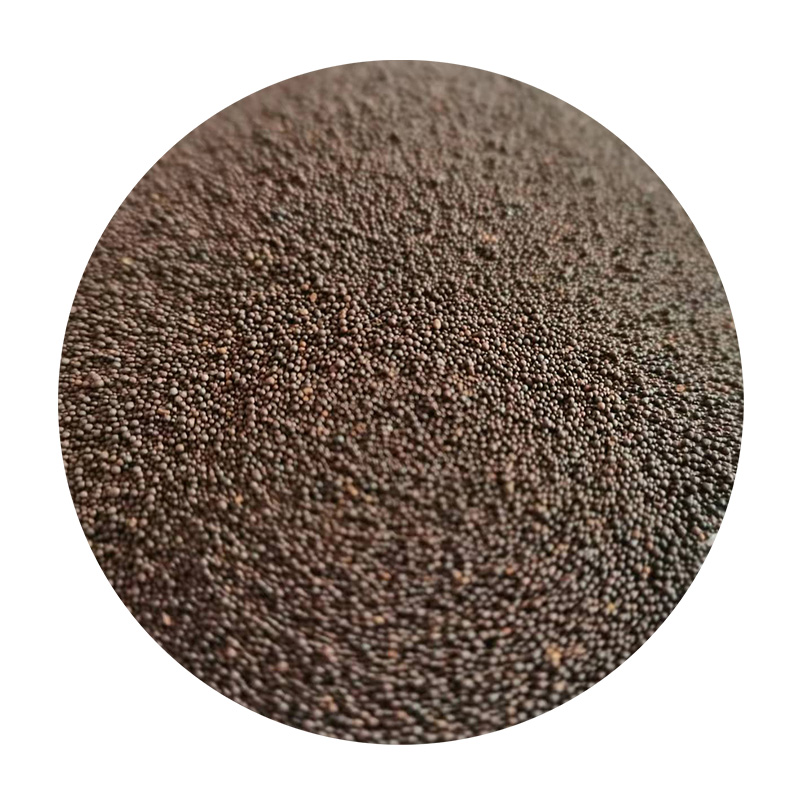
The steel sand casting process begins with creating a pattern, which is typically made from high-quality material that can withstand the repeated use and thermal conditions of casting. The pattern represents the shape of the final product and is used to form the sand mold. The mold is created by tightly packing sand around the pattern, allowing for precise impressions of the design. Once the mold is formed, the pattern is removed, leaving a cavity that replicates the desired part.
Next, molten steel is poured into the sand mold. This steel is usually prepared from scrap materials and melted in an electric arc furnace or induction furnace, reaching temperatures above 1,500 degrees Celsius. After pouring, the molten metal fills the cavity in the sand mold, taking its shape. Once the steel cools and solidifies, the sand mold is broken away to reveal the cast part. The steel castings may then require additional finishing processes to achieve final dimensions and surface quality.
Advantages of Steel Sand Casting
One of the primary advantages of steel sand casting is its ability to produce complex geometries. The flexibility of sand molding allows foundries to create intricate designs that would be difficult or impossible to achieve with other manufacturing methods. Additionally, steel castings exhibit excellent mechanical properties, including high strength, toughness, and wear resistance, making them suitable for demanding applications.
Another significant advantage is the cost-effectiveness of sand casting. Since sand is a readily available material and reusable, the process can be economically viable, especially for medium to large production runs. The ability to create large castings, often weighing several tons, further expands its applications in various industries.
steel sand casting foundry
Challenges in Steel Sand Casting
Despite its many benefits, steel sand casting also comes with challenges. One notable issue is the quality of the cast surface, which can sometimes be rough or require significant finishing. Variations in sand composition may also lead to inconsistencies in the final product if not carefully managed. Furthermore, the casting process can be time-consuming, especially for intricate designs that require precise cooling times.
Another challenge is ensuring the integrity of the casting. Defects such as porosity, shrinkage, and inclusions can occur, affecting the structural integrity and performance of the final product. Skilled foundry workers are essential to monitor and control various parameters of the casting process, such as pouring temperature and mold compaction, to minimize these defects.
Applications of Steel Sand Casting
Steel sand casting is utilized across a wide range of industries, including automotive, aerospace, construction, and energy. Common applications include producing engine components, structural parts, machinery bases, and various fittings. The versatility of this method allows manufacturers to customize castings for specific needs, tailored to various engineering specifications.
In the renewable energy sector, for instance, steel sand casting is instrumental in producing components for wind turbines and hydroelectric plants. The lightweight yet robust nature of steel castings ensures they can withstand harsh environmental conditions while maintaining efficiency.
Conclusion
In summary, steel sand casting is a vital manufacturing process that combines the strengths of steel and sand to produce high-quality cast components. Despite its challenges, the flexibility, cost-effectiveness, and suitability for complex shapes make it an invaluable technique in modern manufacturing. As industries continue to evolve, the role of steel sand casting in providing reliable and durable parts will undoubtedly remain significant.
Post time:Nov . 11, 2024 01:40
Next:Current Trends in Gold and Sand Pricing Analysis for Investors