
Steel Sand Casting An Overview
Steel sand casting is a versatile and efficient manufacturing process commonly used in the production of intricate metal components. This technique leverages the unique properties of sand and steel to create high-precision castings that are essential in various industries, including automotive, aerospace, and heavy machinery.
The Sand Casting Process
The sand casting process begins with the creation of a mold. Engineers or technicians design a pattern, often made from a material like wood or metal, that reflects the desired final shape of the product. This pattern is then used to create a sand mold. The mold is typically composed of a mixture of sand, clay, and water, which allows it to hold its shape. Once the mold is prepared, it is washed with a release agent to ensure that the steel does not stick to it during the casting process.
The next step involves pouring molten steel into the mold. The steel is heated to temperatures exceeding 1,500 degrees Celsius, allowing it to become a liquid. Once the steel is ready, it is carefully poured into the prepared mold, filling every cavity and detail of the pattern. After the molten metal cools and solidifies, the mold is removed to reveal the cast component.
Advantages of Steel Sand Casting
One of the major advantages of steel sand casting is its versatility. This method can produce a wide range of shapes and sizes, making it suitable for both small and large components. Moreover, sand molds can be reused multiple times, which adds to the cost-effectiveness of the process. The high melting point of steel allows it to be used in applications requiring materials that can withstand extreme temperatures and pressures.
Another significant advantage is the ability to create complex geometries and intricate designs. Sand casting can replicate details that might be difficult or impossible to achieve with other manufacturing processes. This flexibility makes steel sand casting a preferred method for producing unique components tailored to specific applications.
Applications of Steel Sand Casting
steel sand casting
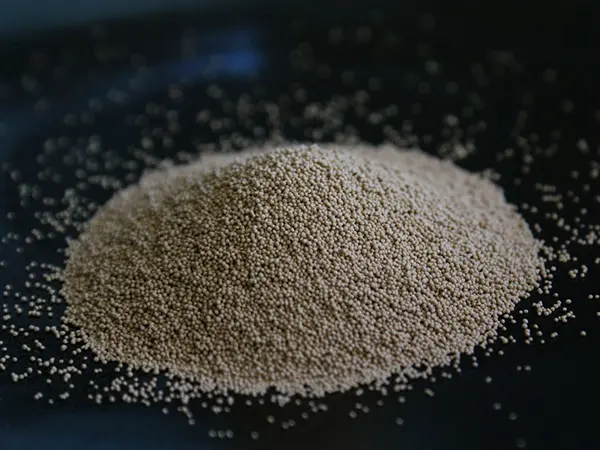
Steel sand casting finds applications across various sectors. In the automotive industry, it is used to manufacture engine blocks, transmission housings, and various other components. The intricate designs and strength of steel make it ideal for parts that must endure high stress and dynamic loads.
In the aerospace sector, steel castings are vital for the production of components in both commercial and military aircraft. These components must comply with stringent safety regulations and performance standards, making the reliability of sand casting crucial.
Additionally, the energy sector utilizes steel sand casting for producing parts for turbines, valves, and pumps, all of which are critical for efficient energy generation and distribution.
Challenges and Considerations
Despite its advantages, steel sand casting comes with its own set of challenges. One of the primary concerns is the potential for defects in the final product, such as porosity, shrinkage, or inclusions. These imperfections can affect the mechanical properties and overall performance of the casting. To mitigate these issues, careful control of the casting process, including temperature, pouring speed, and cooling rates, is essential.
Another consideration is the environmental impact of sand casting. The process can produce waste materials, such as used sand and spent molds. Therefore, manufacturers are continually seeking ways to recycle materials and reduce the environmental footprint associated with sand casting.
Conclusion
Steel sand casting is an established method of producing high-quality components that meet the demands of modern industries. Its ability to create intricate designs, along with its cost-effectiveness and versatility, makes it an invaluable process in manufacturing. As technology advances, the methods and materials used in steel sand casting will likely evolve, enhancing its efficiency and sustainability. Manufacturers that embrace innovation, coupled with traditional techniques, will continue to harness the benefits of steel sand casting for years to come.
Post time:Dec . 01, 2024 19:34
Next:resin coated frac sand