
Spherical Ceramic Sand for Foundry: field notes, specs, and what buyers really ask
If you pour metal for a living, you’ve already heard the buzz around Spherical Sand. I’ve toured shops from Indiana to Incheon and, to be honest, the trend is clear: the switch from plain silica to engineered ceramic media is no longer niche; it’s the new baseline for dimensional stability and reclamation economy. The product here, made in Shanghai (No.669 of Xinmiao Sanlu, Xinqiao Town, Songjiang Dist), is a sintered bauxite ceramic with tight control over grain shape and thermal behavior.
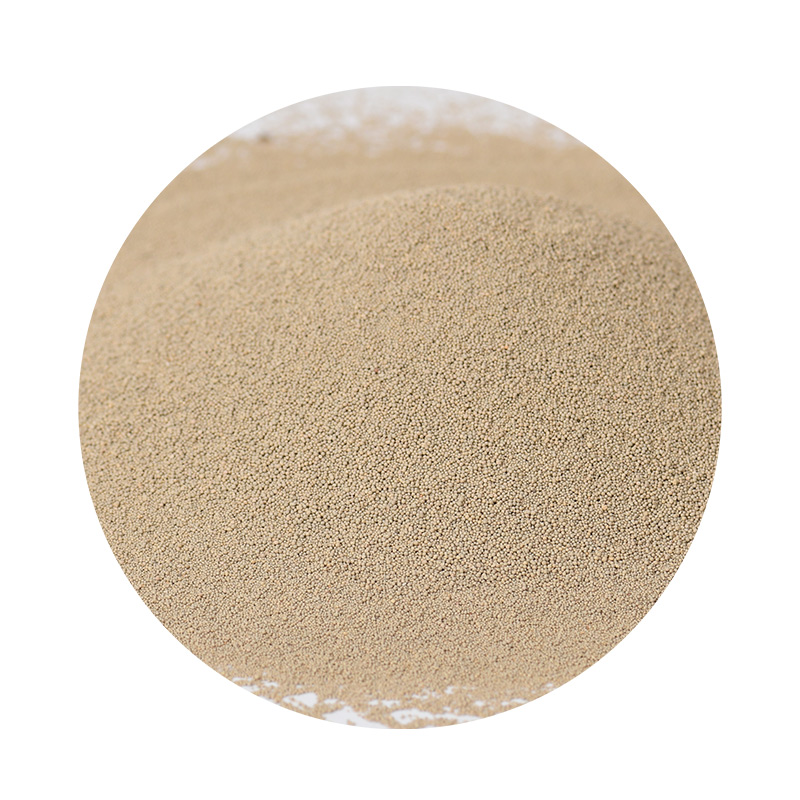
What makes Spherical Sand different
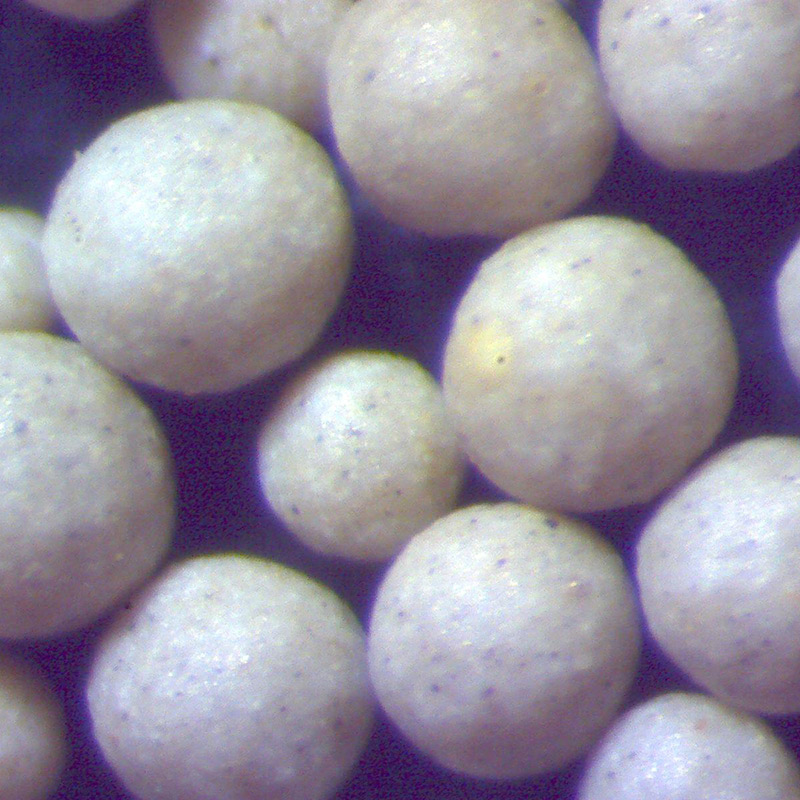
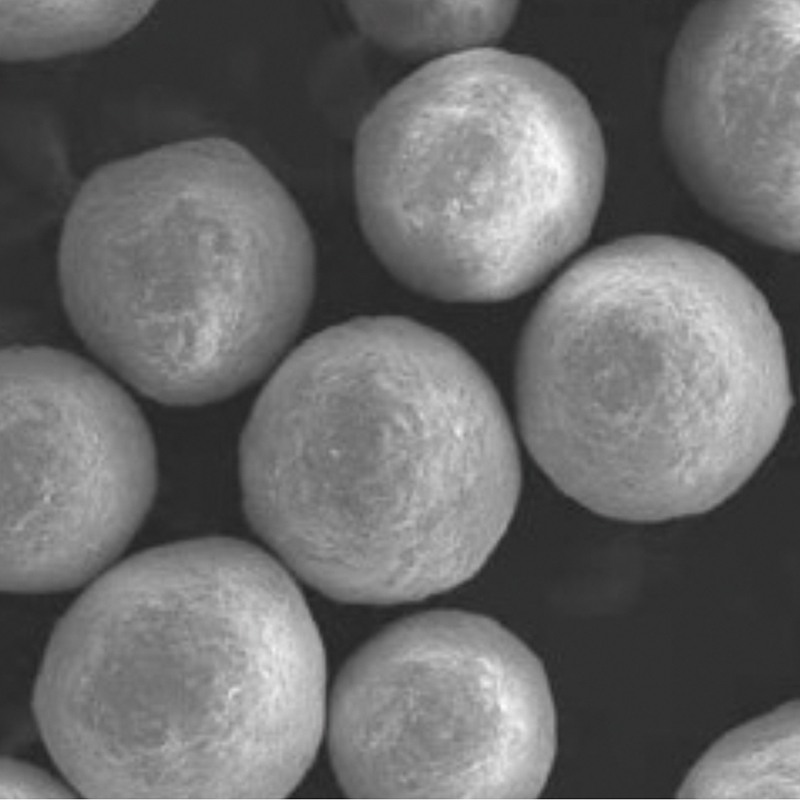
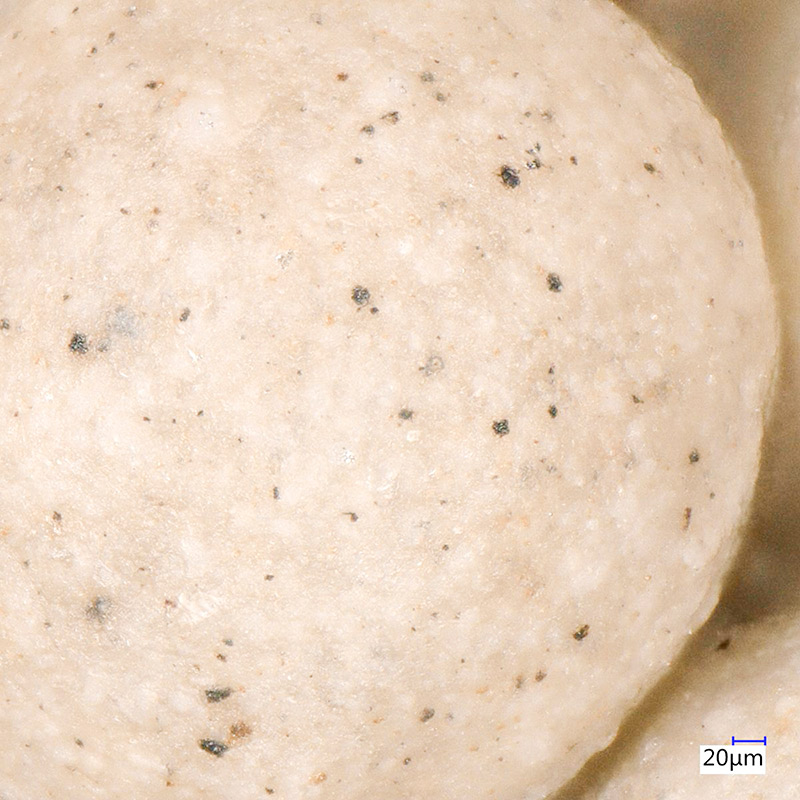
Technically a sintered ceramic (Al2O3/SiO2), it packs high refractoriness, very low thermal expansion, and near-ideal flow. The roundness matters—cores fill cleanly, binder coats uniformly, and shakeout gets easier. Many customers say gas defects drop and hot tearing quietly disappears. Surprisingly, the biggest win they report is binder savings and faster core print cleaning.
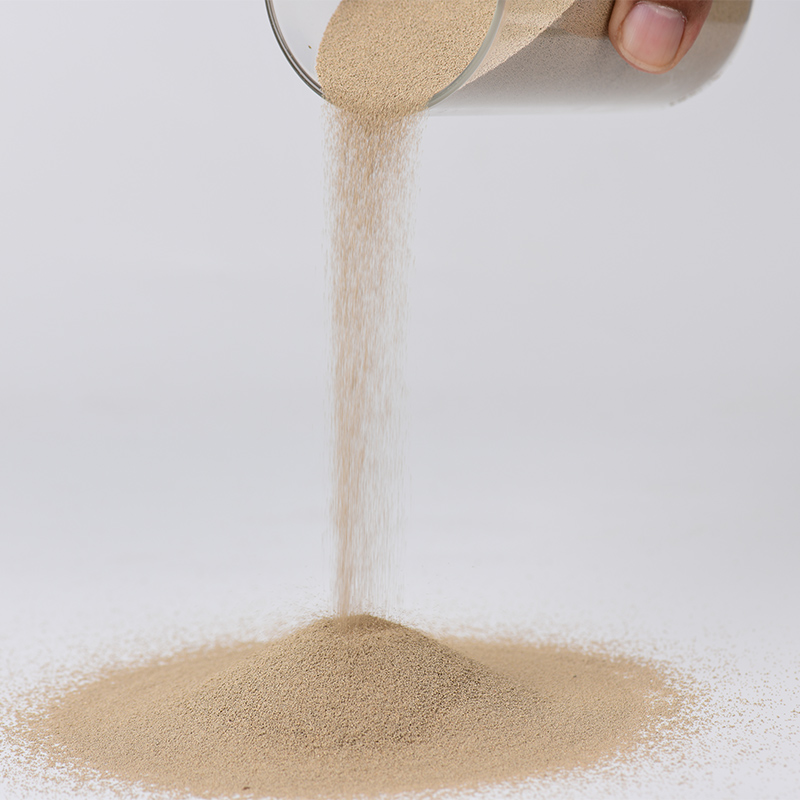
Process flow and QA
Materials: calcined bauxite → wet granulation → high-temp sintering → cooling → precision screening → dust removal → QC lab release.
Methods and tests: sieve analysis (ASTM E11/AFS GFN), LOI, bulk density, CTE by dilatometry (ASTM E228), crush/attrition (per AFS handbook), refractoriness checks (>1800 °C typical). Real-world use may vary, but the lab data below is consistent with what I’ve seen on the floor.
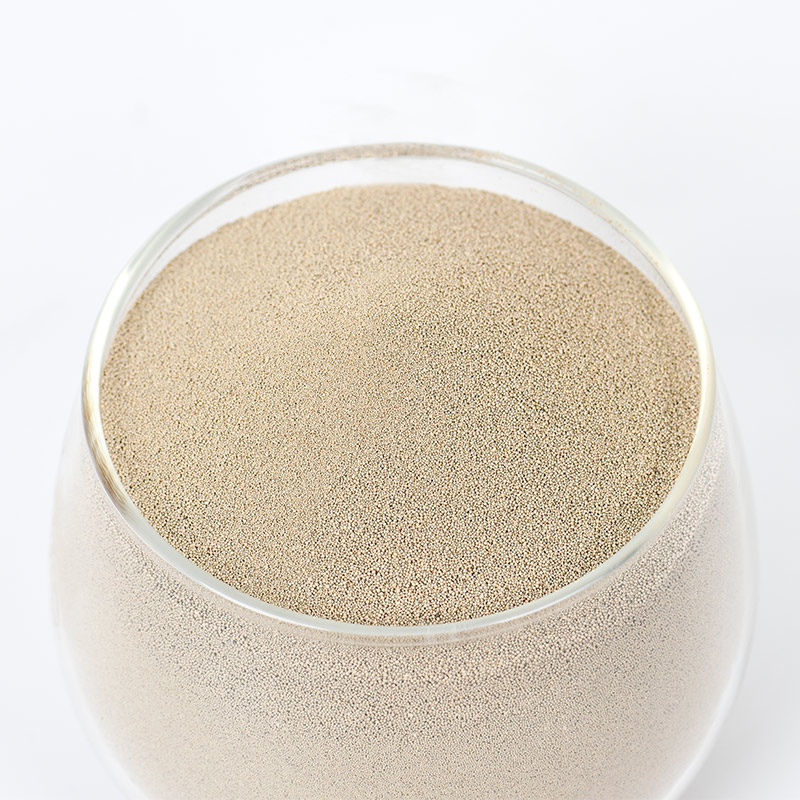
Product specifications
| Parameter | Typical value (≈) | Standard/Note |
|---|---|---|
| Chemistry | Al2O3 70–75%, SiO2 20–25%, others <5% | From calcined bauxite |
| Refractoriness | >1800 °C | High-heat pours OK |
| Linear thermal expansion (20–1000 °C) | ≈0.15–0.20% | ASTM E228 |
| Bulk density | ≈1.9–2.1 g/cm³ | Loose pack |
| Sphericity/roundness | ≥0.95 | Improves flowability |
| GFN ranges | AFS 45–110 | ASTM E11 sieve sets |
| LOI | <0.1% | Clean burnout |
| Reclamation cycles | 8–12× (shop average) | Equipment dependent |
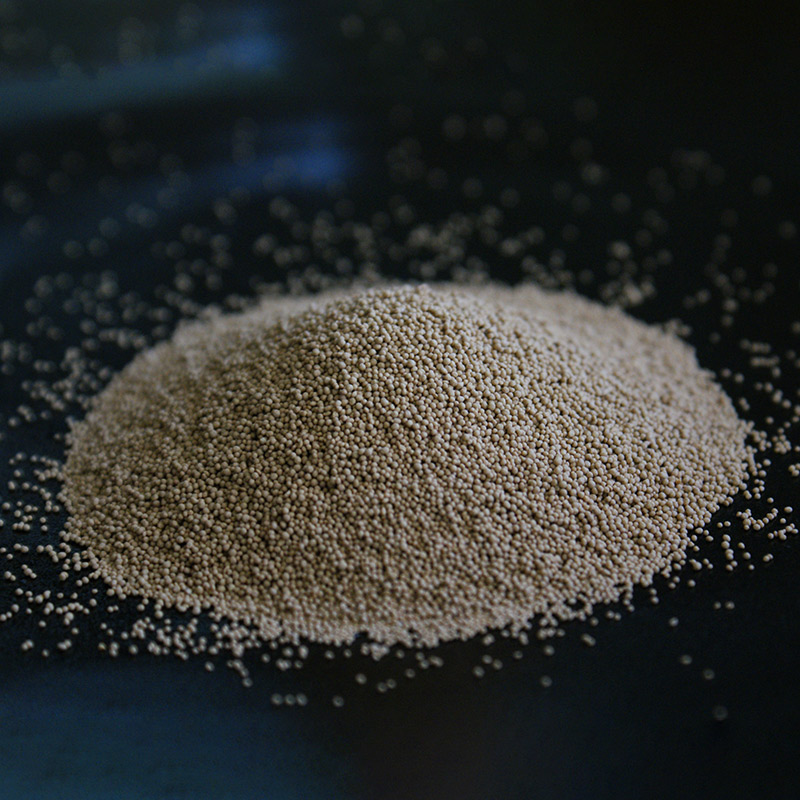
Applications and advantages
- Ferrous and nonferrous molds/cores (Al, steel, Ni-base). Reduced veining.
- Binder-jet 3D printing—flowable powder bed, uniform recoats.
- Thin-wall castings—dimensional stability via low CTE.
- High wear resistance: better surface finish after fewer rounds of shot blast.
Buyers tell me they cut binder 15–25% and cut scrap due to expansion defects by roughly half. Your mileage, of course, depends on gating and melt practice.
Vendor snapshot and customization
Customization: GFN per print, premium dust control, pH-neutral washing, packages in 25 kg bags or 1-ton FIBCs; moisture spec ≤0.1%. Certifications commonly supplied: ISO 9001, MSDS, and batch CTE curves.
| Vendor | Origin | CTE (≈) | Refractoriness | Price Index | Lead Time |
|---|---|---|---|---|---|
| SinoCeram (this product) | Shanghai, CN | 0.15–0.20% | >1800 °C | $ | 2–4 weeks |
| Japanese ceramic sand | JP | 0.16–0.22% | >1800 °C | $$$ | 4–8 weeks |
| Silica sand (benchmark) | Various | ≈1.2–1.5% | ≈1700 °C | $ | Stock |
Case studies (short and sweet)
Automotive Al cylinder head: switching to Spherical Sand (AFS 70) cut veining to near-zero and reduced binder by 18%. Scrap fell 42% in the first month; operators reported faster core blow fill.
Steel pump housing: low-CTE media eliminated hot tears on a stubborn boss intersection; reclamation cycles extended to 10× with screen refresh every third cycle.
Final notes
If you care about dimensional predictability, Spherical Sand is an easy win. Actually, the only pushback I hear is initial cost—but the reclamation math tends to settle that debate within a quarter.
- ASTM E11 – Standard Specification for Woven Wire Test Sieve Cloth and Test Sieves.
- ASTM E228 – Standard Test Method for Linear Thermal Expansion of Solid Materials With Push-Rod Dilatometer.
- AFS Mold & Core Test Handbook, 4th Edition – American Foundry Society.
- ISO 9001:2015 – Quality management systems (vendor certification, commonly supplied).
Next:Supersand G2—Fast-Setting, Haze‑Free Polymeric Sand