
Why ceramic sand quietly changed how we think about sanding 3d prints in foundry-grade additive
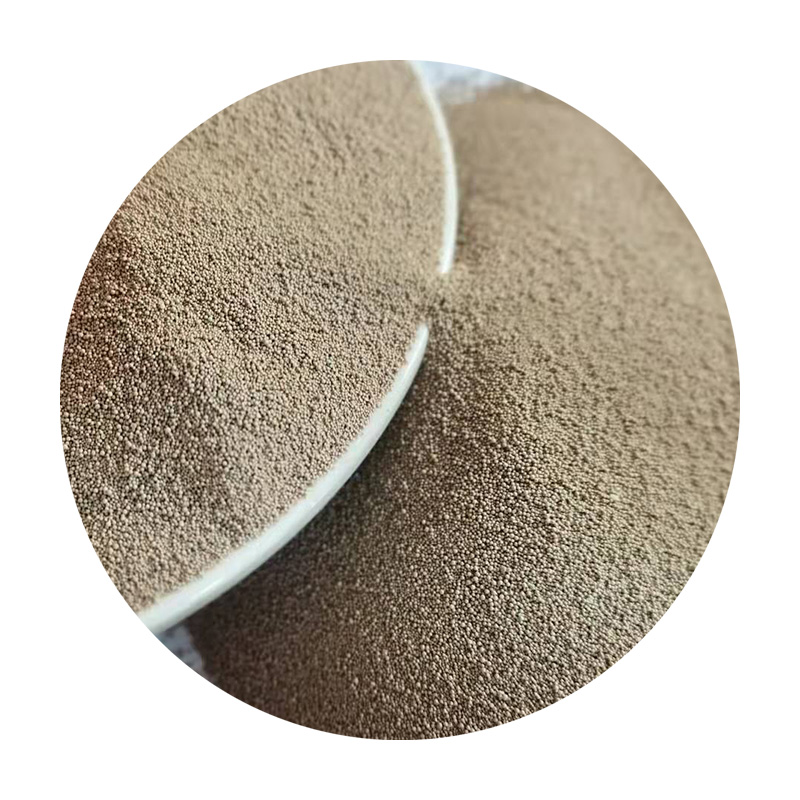
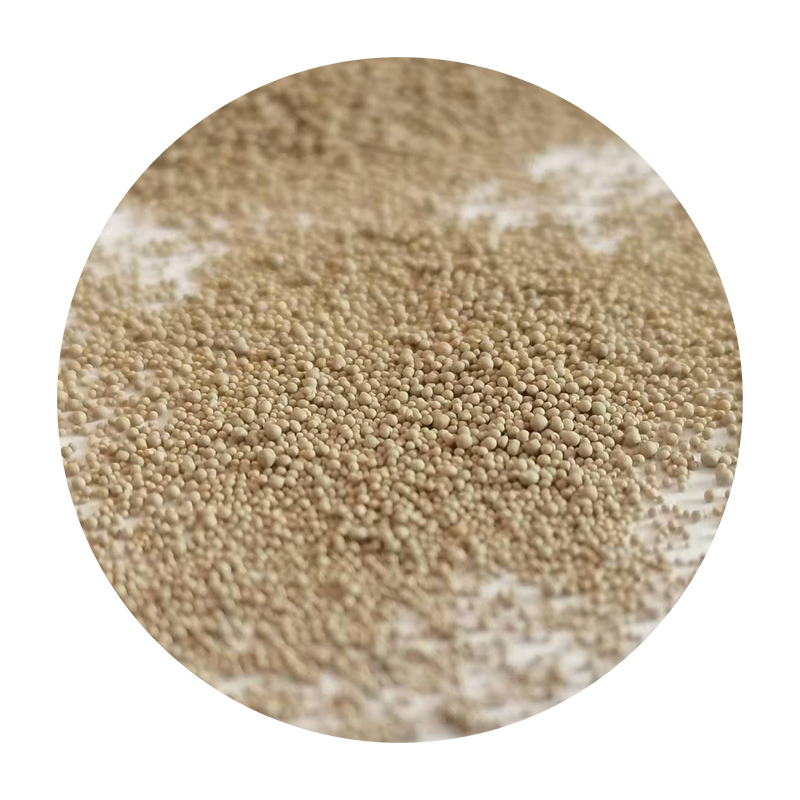
A quick confession: as someone who’s spent too many late nights deburring castings, I didn’t expect a change in base media to ripple this far. Yet the rise of mullite-based ceramic casting sand for binder-jet sand printing is doing exactly that—better molds, cleaner shakeout, and less downstream finishing. Kaist’s sintered Ceramic casting sand (same class as Ceratech or Cerabeads) is the quiet enabler. It’s fired into near-spherical granules—never crushed—so flowability and packing are consistent, which, in practice, means less time on sanding 3d prints and post-cast cleanup.
Industry snapshot
Automotive, oil & gas, mining, and construction are moving to ceramic sand for binder jetting because the thermal expansion is low, gas evolution is predictable, and surface finish is reliably tight. Many customers say they hit target Ra on first pour more often. It seems that predictable sphericity is the unsung hero here.
Process flow (real-world)
- Material: Mullite-based, sintered spherical ceramic sand (Kaist), stable chemistry.
- Printing: Binder-jet with standard furan or phenolic binder systems; layer 200–400 μm ≈ depending on AFS GFN.
- Dry/curing: Oven set per binder spec; low LOI helps outgassing.
- Core/mold handling: High strength-to-weight; less edge crumble, less emergency sanding 3d prints.
- Pouring & shakeout: Low expansion minimizes veining and fins; faster de-sand.
- Recycling: Multiple cycles (≈10–20+) with screening and thermal reclaim; real-world use may vary by alloy and binder burn-on.
Testing and standards touchpoints
Shops typically verify grain distribution via sieve analysis (ASTM E11), thermal expansion via TMA (ASTM E228/E831), and routine AFS mold/core tests. Vendors serving automotive often align to IATF 16949 and environmental ISO 14001. To be honest, the paperwork trail matters as much as the particle shape.
Product specifications (typical)
| Property | Typical value | Notes |
|---|---|---|
| Base material | Mullite ceramic | Fired spherical granules |
| AFS GFN | ≈ 45–95 (customizable) | Grain size matched to layer thickness |
| Sphericity | High (≈0.9) | Improves flow/packing |
| Thermal expansion | Very low | Reduces veining/fins |
| Refractoriness | > 1600°C | Alloy-dependent limits |
| LOI | Low | Cleaner burnout |
| Reusability | 10–20+ cycles | With thermal/mechanical reclaim |
Vendor comparison (indicative)
| Vendor | Sphericity | Thermal expansion | Recyclability | Relative cost |
|---|---|---|---|---|
| Kaist sintered ceramic sand | High | Very low | High (10–20+) | Mid |
| Ceratech-class | High | Low | High | Mid–High |
| Cerabeads-class | High | Very low | High | High |
Note: indicative; real-world use may vary by binder, alloy, and reclaim setup.
Applications and quick case notes
- Automotive cylinder blocks: One tier-1 reported ≈12% reduction in post-cast grinding and sanding 3d prints-adjacent touch-ups, thanks to fewer veins.
- Hydraulic valves and pumps: Better edge fidelity on cores; fewer core breaks during handling.
- Mining impellers: Stable at elevated pour temps; improved dimensional repeatability on blades.
Customization, logistics, and compliance
Available in tailored AFS GFN bands, blended distributions, and packaging from sacks to big-bags. Origin: No.669 of Xinmiao Sanlu, Xinqiao Town, Songjiang Dist, Shanghai. Common certs: ISO 9001, ISO 14001; automotive programs often align with IATF 16949. Many buyers quietly prioritize consistent lot-to-lot chemistry—rightly so.
Why it reduces finish work
Low expansion and high sphericity yield smoother mold walls, so metal cools against a more faithful surface. That’s the practical route to less rework and fewer hours on sanding 3d prints or cast skins.
Selected references
- American Foundry Society, Mold & Core Test Handbook (latest edition).
- ASTM E11 – Standard Specification for Woven Wire Test Sieve Cloth and Test Sieves.
- ASTM E228 / E831 – Linear Thermal Expansion by Thermomechanical Analysis.
- ISO 9001 / ISO 14001 – Quality and Environmental Management Systems.
- IATF 16949 – Automotive Quality Management System Requirements.
Next:High Refractoriness Ceramsite Foundry Sand - Shenghuo New Material Technology Co., Ltd.|High Refractoriness&Low Thermal Expansion