
A Practical Insider’s Guide to Sanding 3D Prints — and Why Ceramic Sand Changes the Game
If you’ve ever fussed over layer lines, you’ve met the joy and pain of Sanding 3d Prints. To be honest, that final 10% of finish can take 90% of the time. But there’s a twist: in heavy industry, we increasingly skip polymer finishing altogether by printing sand molds and pouring metal directly. That’s where Kaist sintered Ceramic casting sand (same class as Ceratech/Cerabeads) steps in—quietly reshaping expectations for surface finish and post-processing.
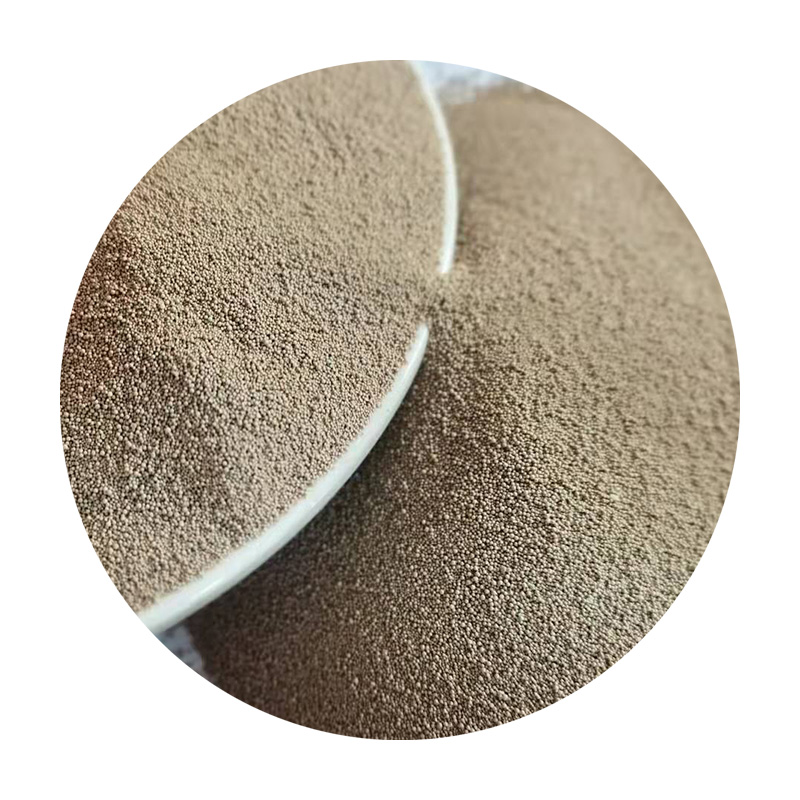
Industry trend: from sanding plastics to printing molds that need less fettling
In automotive and oil & gas, binder-jet printed sand molds/core sets are replacing complex patterns. The result? Cast parts that need less grinding, less machining—and, yes, far less literal Sanding 3d Prints. Many customers say their deburr time dropped by around 20–35% when switching to spherical mullite ceramic sand. It’s not magic; it’s materials science.
Product snapshot: Ceramic casting sand for sand 3D printing
Origin: No.669 of Xinmiao Sanlu, Xinqiao Town, Songjiang Dist, Shanghai. Kaist artificial sand is made of mullite crystals, fired into near-perfect spheres (not crushed). Stable quality, excellent refractoriness, clean burnout. Think cylinder blocks, hydraulic valves, pumps, impellers, and tooling—high-value castings that hate surprises.
| Spec | Typical Value (≈, real-world use may vary) | Test/Reference |
|---|---|---|
| Base mineral | Mullite (Al6Si2O13) | Material ID |
| Sphericity | ≈0.95 | AFS methods |
| Thermal expansion (RT–1000°C) | ≈0.15–0.18% | ASTM E831 |
| Refractoriness | >1800°C | Firing test |
| AFS GFN ranges | 45–120 (custom cuts available) | AFS sieve analysis |
| Loss on ignition | AFS 1107-00-S |
How it’s used (process flow)
-
- Material prep: select GFN for target Ra; blend binder (furan/phenolic or proprietary).
- Printing: binder jet layers; cure per profile; depowder carefully for clean cores.
- Casting: pour iron/steel/aluminum; ceramic spheres resist burn-in and veining.
- Knockout & cleaning: reduced flash; less grinding and Sanding 3d Prints equivalent steps on the casting.
- QA: dimensional checks to ISO 8062-3; surface roughness vs internal spec; thermal shock records.
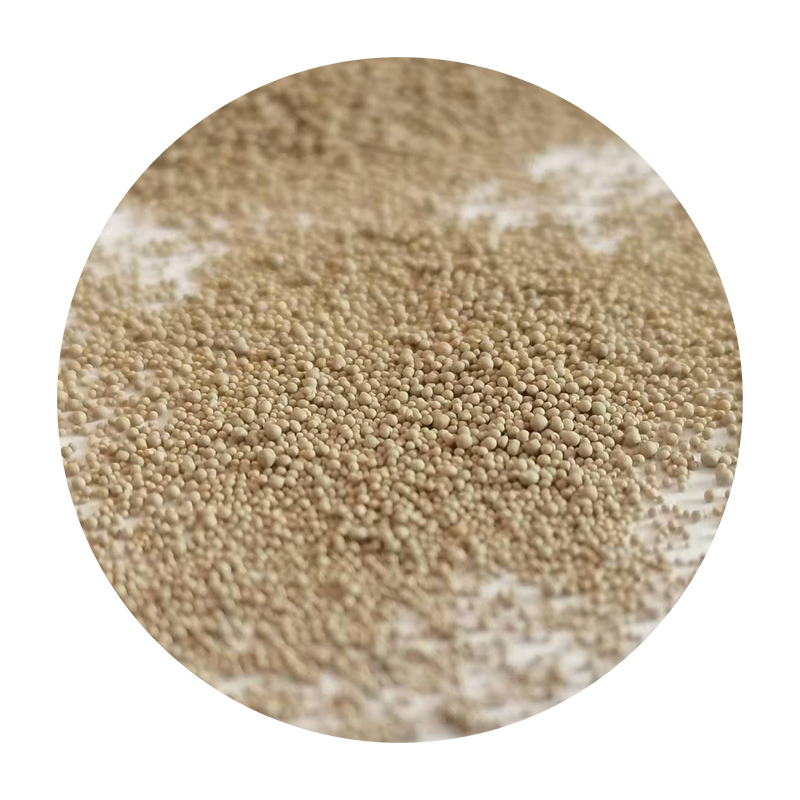
Why shops switch
Advantages we’ve logged: smoother mold surfaces (lower Ra), better collapsibility, less binder demand, tighter tolerances, and service life gains for tooling around hot zones. One foundry in the Midwest reported ≈28% reduction in post-cast grinding and a defect rate drop from 3.2% to 1.1% over 90 days—small sample size, but telling.
Vendor comparison (indicative)
| Vendor | Origin | GFN range | Lead time | Certs | Customization |
|---|---|---|---|---|---|
| Kaist (Ceramic casting sand) | Shanghai, CN | 45–120 | ≈2–4 weeks | ISO 9001; RoHS/REACH | Cut size, binder pairing |
| Cerabeads | JP | ~50–120 | ≈3–6 weeks | ISO 9001 | Standardized grades |
| Ceratech | Regional | ~55–110 | ≈3–5 weeks | ISO 9001 | Limited options |
Customization and QC
Tailored GFN cuts, binder compatibility testing, and batch COAs are common asks. Look for thermal expansion curves (ASTM E831), LOI (AFS 1107), and dimensional audits vs ISO 8062-3. For AM program governance, map your process to ISO 52900 terminology so procurement and QA speak the same language.
Quick tip for polymer finishers
Still doing a lot of Sanding 3d Prints on plastics? Try stepping grits 150→240→400→600, then a light filler/primer. But if your end goal is metal, consider printing the mold in ceramic sand and leapfrogging the whole sanding saga.
References: [1] ISO 52900 Additive manufacturing — Fundamentals; [2] ASTM E831 Thermal Expansion; [3] AFS Foundry Sand Handbook.
- https://www.iso.org/standard/67296.html
- https://www.astm.org/e0831-14.html
- https://www.afsinc.org/publications/foundry-sand-handbook
Next:Spherical Sand for Ceramics: Uniform, Low-Dust, High-Flow