
Sand Casting Techniques An Overview
Sand casting, also known as sand molded casting, is one of the oldest and most versatile manufacturing processes used in metal casting. It involves creating a mold from sand to produce metal parts, and it is particularly popular due to its adaptability and cost-effectiveness. This article will delve into the various techniques of sand casting, its applications, advantages, and challenges.
Basic Principle
The sand casting process begins with designing a mold. A pattern, typically made from metal, plastic, or wood, is created in the shape of the desired final product. The pattern is then covered with a mixture of sand and a bonding agent, usually clay, which helps the sand maintain its shape. When the pattern is removed, a cavity is left behind that will be filled with molten metal.
Types of Sand Casting Techniques
1. Green Sand Casting This is the most common type of sand casting. It uses a mixture of sand, clay, and water. The term “green” refers to the moisture in the sand, which provides the necessary bonding properties. This technique is favored for its low cost and ease of use, making it suitable for both small production runs and large-scale manufacturing.
2. Dry Sand Casting In this technique, the mold is made using a sand mixture that has been heated to remove moisture. This results in a stronger mold that can provide better dimensional accuracy and surface finish. However, the process can be more complex, requiring extra time and resources.
3. No-Bake Sand Casting Also known as cold box casting, this technique utilizes a chemical binder that hardens at room temperature. Unlike green sand casting, no water is used, leading to molds with improved strength. This method allows for faster production cycles and is particularly useful for making intricate parts.
4. Investment Sand Casting While investment casting is often associated with lost wax techniques, it can also include sand. In this variation, a pattern made of wax is coated in a sand mixture. Once the wax is melted away, metal is poured into the cavity left behind. This results in highly detailed parts with excellent surface finishes.
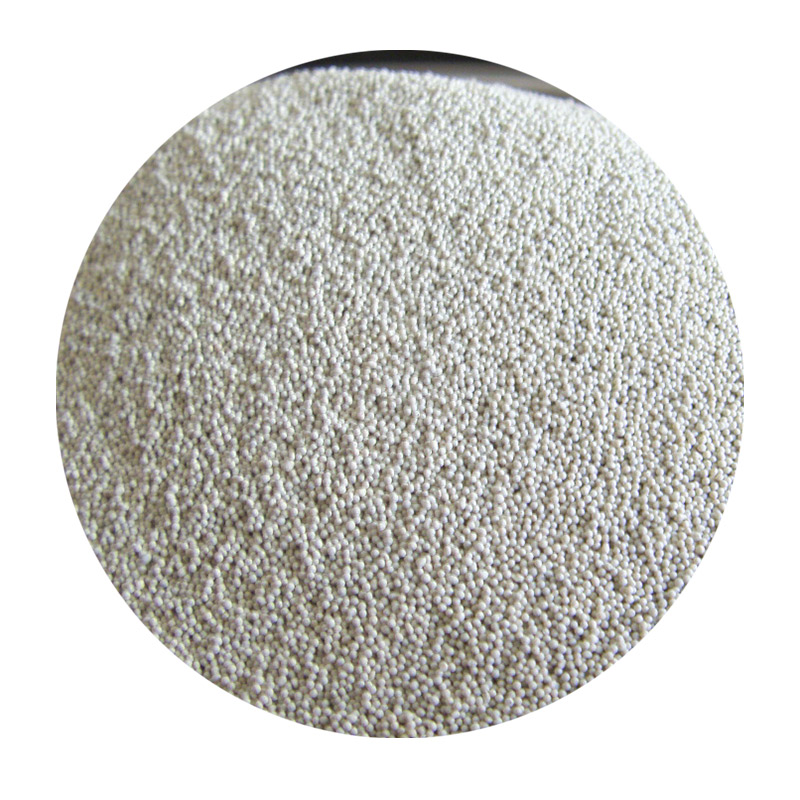
sand casting techniques
Advantages of Sand Casting
Sand casting offers numerous benefits that make it a preferred choice for many industries. First, it’s highly adaptable, allowing for the production of a wide range of shapes and sizes, from small components to large engine blocks. Second, it is cost-effective, especially for low- to medium-volume production runs. Additionally, the materials used in sand casting are generally inexpensive and readily available.
Another significant advantage is the ability to work with a variety of metals, including iron, aluminum, bronze, and brass. This versatility makes sand casting suitable for various applications, from automotive parts to artistic sculptures.
Challenges and Considerations
Despite its many advantages, sand casting also presents certain challenges. The process might lead to identifying defects such as sand inclusion, blowholes, or warping, which can negatively affect the final product's quality. Moreover, achieving tight tolerances and superior surface finishes can be more challenging compared to other casting methods.
Environmental concerns related to sand casting also exist, including the disposal of used sand and the emissions from binding agents. Manufacturers are increasingly exploring more sustainable alternatives to address these issues.
Conclusion
In conclusion, sand casting is a time-tested manufacturing technique that plays a crucial role in the production of metal components across various industries. With its diverse techniques and applications, it continues to be a valuable option for manufacturers seeking flexibility and cost efficiency. As innovation continues to drive improvements in this field, sand casting will likely evolve, meeting the demands of modern manufacturing while addressing environmental concerns.
Post time:Dec . 22, 2024 10:05
Next:sand and polish resin