
Sand Casting Stainless Steel An Overview
Sand casting is one of the oldest and most versatile methods of metal casting, particularly when it comes to creating intricate shapes and large components. Among the metals used in this process, stainless steel has gained immense popularity due to its excellent mechanical properties, corrosion resistance, and aesthetic appeal. In this article, we will explore the sand casting process as it applies to stainless steel, highlighting its advantages, applications, and best practices.
The Sand Casting Process
The sand casting process involves creating a mold from a mixture of sand, clay, and water. This mold is then used to hold molten stainless steel, which is poured in to take the shape of the desired object. The process begins with designing the pattern — a replica of the final product — which is typically made from wood, metal, or plastic. The pattern is used to create a sand mold, which consists of two halves known as the cope and the drag.
Once the mold is prepared, the stainless steel is melted in a furnace. The melting temperature for stainless steel typically ranges between 2500°F to 2700°F (1371°C to 1482°C). After achieving the desired temperature, the molten metal is poured into the mold and allowed to cool. Once solidified, the mold is broken apart to reveal the cast part, which usually requires some finishing processes such as machining, grinding, or polishing.
Advantages of Sand Casting Stainless Steel
One of the primary advantages of sand casting stainless steel is its ability to produce complex shapes and large components that might be difficult or impossible to achieve through other manufacturing methods
. The use of sand molds can accommodate a wide variety of designs, from intricate details to massive structures.Additionally, stainless steel's inherent properties make it an excellent choice for environments where corrosion resistance is a priority, such as in chemical processing, food handling, and marine applications. The durability and strength of stainless steel also help in providing long-lasting components that require minimal maintenance.
sand casting stainless steel
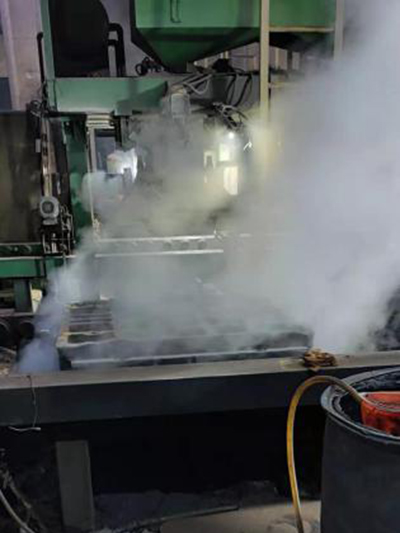
Another key benefit is the cost-effectiveness of the sand casting process, especially for low to medium production volumes. While the initial setup may involve significant costs for pattern making, subsequent molds can be produced with relative ease and at lower costs compared to other casting techniques.
Applications of Sand Cast Stainless Steel
Sand cast stainless steel components are widely used across various industries. In the automotive sector, parts such as engine blocks, brackets, and housings are commonly produced using this technique. The aerospace industry also employs sand casting for components like turbine housings and structural parts, which demand high precision and resilience.
In the construction sector, decorative elements, machinery support parts, and pressure vessels are often made from sand-cast stainless steel due to its structural integrity and corrosion resistance.
Best Practices in Sand Casting Stainless Steel
To ensure quality in sand casting stainless steel, proper temperature control during melting and pouring is crucial. Additionally, the selection of sand and additives is vital for achieving the desired mold strength and finish. Regular maintenance of molds and equipment can improve production efficiency and reduce defects.
In conclusion, sand casting of stainless steel combines tradition with innovation, offering a reliable method for producing various components across multiple industries. Its advantages in complex design capabilities and resistance to corrosion solidify its place in modern manufacturing. As industries continue to evolve, sand casting is likely to remain a staple technique in producing high-quality stainless steel products.
Post time:Nov . 01, 2024 20:19
Next:Resin Bonded Sand Casting Techniques and Applications for Enhanced Foundry Performance