
Understanding Sand Casting and Its Types
Sand casting is one of the oldest and most widely used manufacturing processes in the world. It involves creating a mold from sand and using it to form metal parts. This method is popular due to its versatility, low cost, and ability to produce complex shapes. There are various types of sand used in sand casting, each with its own unique properties and applications. In this article, we will explore the different types of sand used in sand casting and their specific characteristics that make them suitable for various casting applications.
1. Silica Sand
Silica sand is the most commonly used type of sand in sand casting. It is primarily composed of silicon dioxide (SiO2) and has excellent properties, such as high melting points and good thermal conductivity. Silica sand is durable and can withstand high temperatures, making it ideal for casting processes involving ferrous and non-ferrous metals. Its availability and cost-effectiveness contribute to its popularity in the industry.
One of the key features of silica sand is its grain structure, which can be fine to coarse. Fine grains produce smooth surface finishes but may require more time to mold and cool. Coarse grains, on the other hand, can lead to a rough surface finish but enable quicker cooling times, allowing for faster production cycles.
2. Green Sand
Green sand is a type of sand casting mixture that contains silica sand, clay, water, and additional additives. The term green refers to the fact that the mold is not baked or cured before use. Green sand molds are characterized by their ability to retain moisture, which helps bind the particles together and provides strength to the mold.
The clay in green sand helps in forming a strong bond and enhances the mold's ability to hold its shape during the casting process. This type of sand is particularly useful for iron and steel castings and is favored in metalworking foundries. Despite its advantages, green sand does require careful maintenance to ensure consistent quality in the mold and the final product.
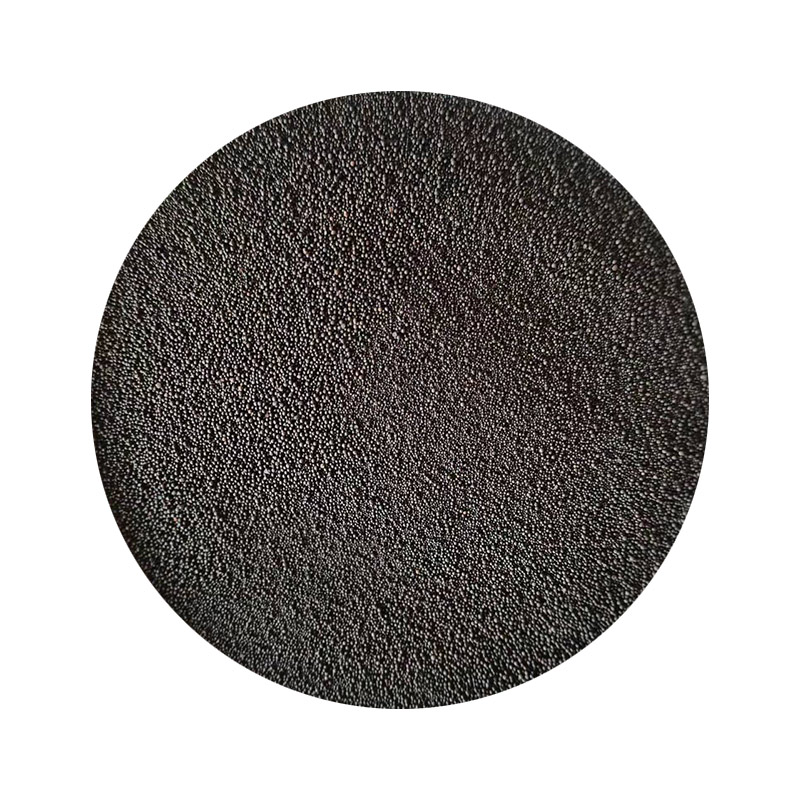
sand casting sand types
3. Resin Sand
Resin sand casting utilizes a mixture of silica sand with a resin binder. The addition of resin creates a mold with a higher strength and stability than traditional green sand molds. This results in enhanced dimensional accuracy and better surface finishes.
Resin sand molds are particularly beneficial for producing intricate designs and complex geometry due to their ability to retain finer details. Additionally, the thermal resistance of resin sand allows for casting in higher temperatures, making it suitable for a variety of metals. However, the cost of resin can be higher than conventional materials, which may impact the overall production costs.
4. Shell Sand
Shell sand casting is a process that involves creating thin shell molds made from a mixture of sand and thermosetting resins. The process involves heating the mixture to create a hard shell around a pattern. Shell sand casting is known for its excellent surface finish and detail fidelity.
This method is especially advantageous for producing small to medium-sized parts with high precision. Shell molds can withstand high temperatures and resist thermal shock, making them suitable for a wide range of metal types, including aluminum and zinc. However, the process requires more time and is typically more expensive and complex than traditional sand casting methods.
Conclusion
In summary, sand casting is a versatile and widely used manufacturing technique that can produce complex metal parts in various shapes and sizes. The choice of sand type plays a critical role in determining the quality of the final product. Silica sand, green sand, resin sand, and shell sand each have distinct properties that make them suitable for different applications and manufacturing needs. Understanding these types of sand and their characteristics is essential for optimizing the sand casting process and achieving desired outcomes in metal production. As technology advances, the sand casting industry is continually evolving, with new materials and methods enhancing production efficiency and product quality.
Post time:Dec . 22, 2024 10:42
Next:रेझिन वाळू कास्टिंग प्रक्रियांचे महत्त्व आणि फायदे