
Sand Casting An Essential Metalworking Process
Sand casting, also known as sand mold casting, is one of the oldest and most widely used metalworking processes. This versatile manufacturing technique offers numerous applications and advantages in producing complex shapes with precise dimensions. Whether in foundries or manufacturing facilities, sand casting remains a vital process in the metalworking industry.
At its core, sand casting involves creating a mold from sand and then pouring molten metal into that mold to form a desired shape upon cooling. The process begins with the construction of a mold, which consists of two halves the cope (top half) and the drag (bottom half). The molds are made by compacting sand around a pattern that reflects the shape of the final product. This pattern can be made from different materials, including metal, plastic, or wood, depending on the required durability and detail.
Sand Casting An Essential Metalworking Process
The sand used in the casting process can either be green sand, which is a mixture of sand, clay, and water, or resin-bonded sand, which utilizes a binding resin to enhance mold strength. Green sand is generally favored for its cost-effectiveness and ability to provide excellent surface finishes. However, resin-bonded sand molds can offer improved strength and durability, which is essential for producing complex shapes with intricate details.
sand casting metal process
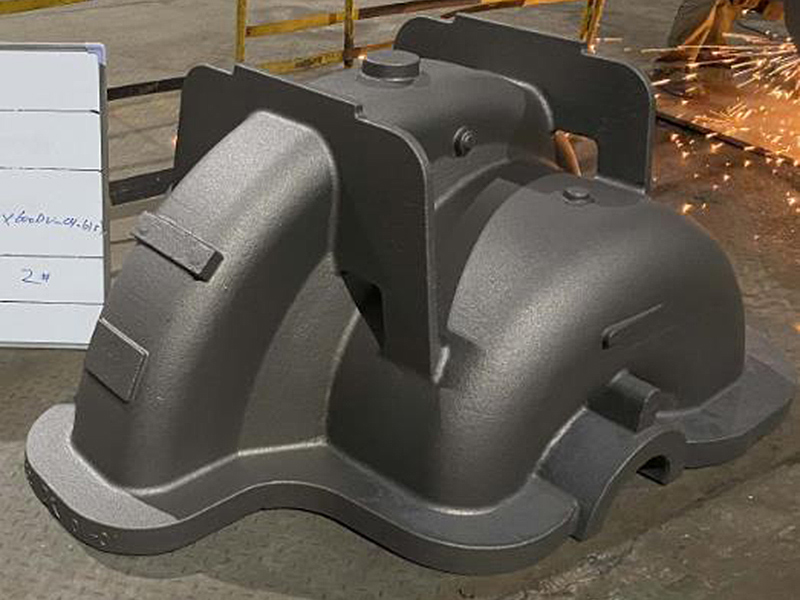
Once the mold is prepared by compacting sand around the pattern, the pattern is removed, leaving behind a cavity that mirrors the desired shape. The two halves of the mold are then reassembled and secured together. Afterward, molten metal is poured into the mold through an opening called the gating system. The gating system not only allows for the metal to enter the mold but also helps control the flow and pressure of the molten metal, ensuring a smooth and defect-free casting process.
Cooling is a critical phase of sand casting, where the molten metal solidifies within the mold. The cooling time can vary based on the size and complexity of the cast part, as well as the specific metal being used. After cooling, the mold is broken apart to reveal the casted component. This step often requires additional processing, such as trimming excess material, cleaning, and finishing, to achieve the desired final product quality.
Despite its many advantages, sand casting is not without challenges. One common issue is the potential for defects, such as holes, cracks, or uneven surfaces. To mitigate these problems, manufacturers often conduct careful quality control and inspection throughout the process. Moreover, the cycle time for sand casting can be longer than other methods, as the mold must be created and allowed to cool, which may affect overall production efficiency.
The future of sand casting looks promising, driven by technological advancements and innovations in the industry. Modern techniques, such as 3D printing for mold-making and computer simulations for process optimization, are transforming traditional sand casting practices. These advancements not only enhance the accuracy and quality of castings but also streamline the production process, reducing lead times and costs.
In conclusion, sand casting is a fundamental and enduring metalworking process that continues to play a crucial role in various industries. Its ability to produce complex shapes, accommodate a wide range of metals, and its cost-effectiveness underscores its significance in manufacturing. As technology progresses, sand casting will likely evolve further, ensuring its relevance and utility for generations to come. Whether producing everyday items or intricate components, sand casting remains an essential method in the world of metal fabrication.
Post time:Nov . 18, 2024 18:46
Next:advantages and disadvantages of sand casting