
Exploring Sand Casting Materials An Essential Aspect of Foundry Practices
Sand casting is one of the oldest and most widely used manufacturing processes in the foundry industry. This method involves creating a mold from sand to produce metal parts, making it a crucial technique in industries ranging from automotive to aerospace. The choice of materials in sand casting plays a significant role in determining the quality and efficiency of the final product, as well as the overall cost of production. Understanding these materials and their properties is essential for anyone involved in this process.
The primary material used in sand casting is silica sand. This naturally occurring mineral is abundant and cost-effective; it has excellent properties for mold making. Silica sand retains its shape well when compacted, allowing for the creation of intricate mold designs. The grain size, shape, and distribution of the sand are paramount; finer sands can produce smoother finishes but might have lower strength, while coarser sands offer greater strength but can lead to rougher surface finishes.
To enhance the performance of sand molds, additional materials, such as bonding agents, are often added. The most common binding agent used in sand casting is clay, specifically a type known as bentonite. Bentonite helps to improve the cohesion of the sand grains, making the mold more durable and able to withstand the stress of pouring molten metal. The amount of clay used is crucial; too little can result in weak molds, while too much can hinder the mold’s ability to hold its shape.
sand casting materials
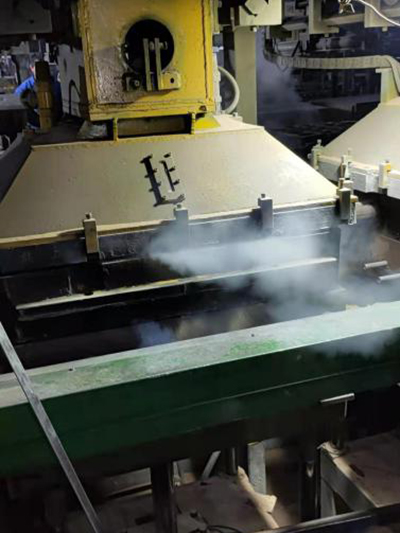
Another important material in sand casting is the various additives used to modify the properties of the sand. These can include water, which is often added to regulate moisture content, and other materials like oils or synthetic resins, which can enhance the flexibility and strength of the molds. Resins, for instance, are part of the no-bake sand casting process, where the sand is mixed with a resin and hardener, eliminating the need for a traditional baking stage.
The quality of the metal used in sand casting is equally important and is directly affected by the choice of sand. Different metals can exhibit varying degrees of compatibility with sand molds, impacting the final casting’s mechanical properties and surface quality. For example, aluminum and bronze are commonly used due to their favorable flow characteristics, which help to fill intricate mold details effectively.
The environmental aspects of sand casting materials are increasingly being considered in modern practices
. The industry is witnessing a shift towards more sustainable materials, such as recycled sand, which can significantly reduce the environmental footprint of casting operations. Furthermore, advancements in technology are enabling the development of eco-friendly binding agents, minimizing the emissions and waste generated during casting.In conclusion, the materials used in sand casting are foundational to the process's success. From silica sand to bonding agents and additives, each component must be carefully selected and formulated to create high-quality molds. Additionally, as the foundry industry evolves, so too does the focus on sustainability and efficiency, pushing for innovations in sand casting materials. As manufacturers continue to refine their processes, understanding these materials will remain essential for achieving excellence in sand casting.
Post time:Nov . 01, 2024 14:32
Next:Innovative Coating Techniques for Enhanced Lost Foam Casting Efficiency and Quality