
The Art of Sand Casting A Timeless Craft
Sand casting, a process that dates back to ancient civilizations, remains a vital manufacturing technique used in various industries today. This method involves creating metal parts by pouring molten metal into a mold made of sand. It is remarkable not only for its practicality but also for its artistic potential. From simple tools to intricate sculptures, sand casting serves a myriad of purposes, showcasing the versatility and creativity inherent in this age-old craft.
The Basics of Sand Casting
The sand casting process begins with a pattern, typically made from wood or plastic, which is the exact replica of the desired metal part. The pattern is placed in a box, known as a flask, and sand mixed with a binder is packed around it. Once the sand hardens, the pattern is removed, leaving behind a mold cavity. The next step involves pouring molten metal into this cavity. After the metal cools and solidifies, the sand mold is broken apart to retrieve the finished part.
One of the key advantages of sand casting is its ability to produce complex shapes that would be difficult or impossible to achieve with other manufacturing techniques. Sand casting also allows for easy modification of molds and patterns, making it a flexible choice for prototype development or low to medium volume production runs. Additionally, the low cost of materials and relative simplicity of the tools required make sand casting an accessible option for both amateur and professional artisans alike.
The Historical Significance
Historically, sand casting has played a crucial role in the development of technology and industry. Ancient Egyptians utilized this technique to create intricate jewelry and tools, while the Chinese were known for casting bronze sculptures. As cultures evolved, so did the methods and applications of sand casting. The Industrial Revolution marked a significant turning point, as advancements in technology allowed for mass production of casted parts, laying the groundwork for modern machinery and infrastructure.
Despite the rise of newer technologies, sand casting has not lost its relevance. Many industries, including automotive, aerospace, and art, still rely on this technique for the production of components and artistic creations. The ability to create large parts at relatively low costs ensures that sand casting remains a preferred choice in many applications.
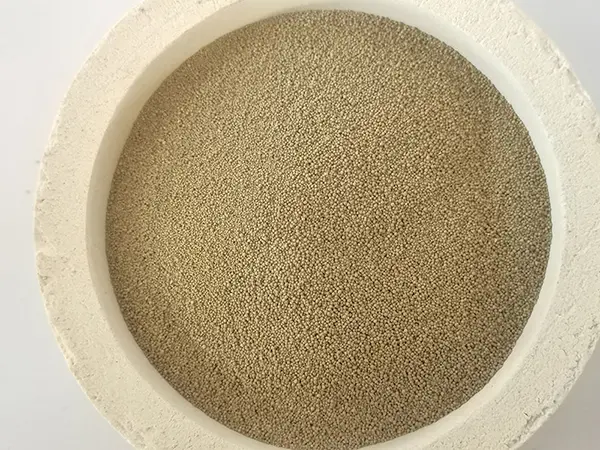
sand caste
The Artistic Element
Beyond its practical applications, sand casting has also emerged as a popular medium for artists. Sculptors harness the power of this technique to create beautiful, detailed pieces that convey their vision and craftsmanship. The process allows for the incorporation of unique textures and patterns, giving each sculpture a distinct character.
Artists experimenting with sand casting often merge traditional techniques with modern innovations. By utilizing various materials and combining sand casting with other artistic processes, they can produce remarkable works that challenge conventional boundaries. This blending of art and craftsmanship highlights the enduring allure of sand casting as a medium for self-expression.
Modern Innovations and Future Prospects
In recent years, advancements in technology have further enhanced the possibilities of sand casting. The integration of computer-aided design (CAD) and 3D printing into the sand casting process has enabled more precise and intricate designs. These innovations have made it easier to produce complex molds and patterns, quickly adapting to market demands and design changes.
Looking ahead, the emphasis on sustainability and eco-friendly materials is likely to influence the future of sand casting. Researchers are exploring alternatives to traditional sand and binders, aiming to minimize environmental impact while preserving the effectiveness of the sand casting process. Such developments will ensure that sand casting continues to thrive as both an industrial and artistic technique in the years to come.
Conclusion
Sand casting is a remarkable blend of tradition and innovation, an art form that bridges past and present. Its adaptability and ability to produce intricate designs make it a treasured technique in manufacturing and art alike. Whether creating essential components for industry or breathtaking sculptures for galleries, sand casting stands as a testament to human creativity and craftsmanship, showcasing the endless possibilities that lie within a simple mix of sand and metal.
Post time:Dec . 01, 2024 21:45
Next:Exploring the Techniques and Benefits of Sanding Ceramic Surfaces