
Inside the Foundry: A Spherical Upgrade to Your Core Media
I’ve spent enough hours on melting floors to know one truth: the right media makes or breaks your pour. If you’re evaluating sand casting metal media for tighter tolerances and fewer defects, the Ceramcast sand ball shape for sand casting is one of those quiet upgrades that, frankly, punches above its weight. Originated from No.669 of Xinmiao Sanlu, Xinqiao Town, Songjiang Dist, Shanghai, it’s designed for cleaner cavities, less veining, and happier core rooms. And yes, the “ball” shape is more than a nickname—it’s the performance story.
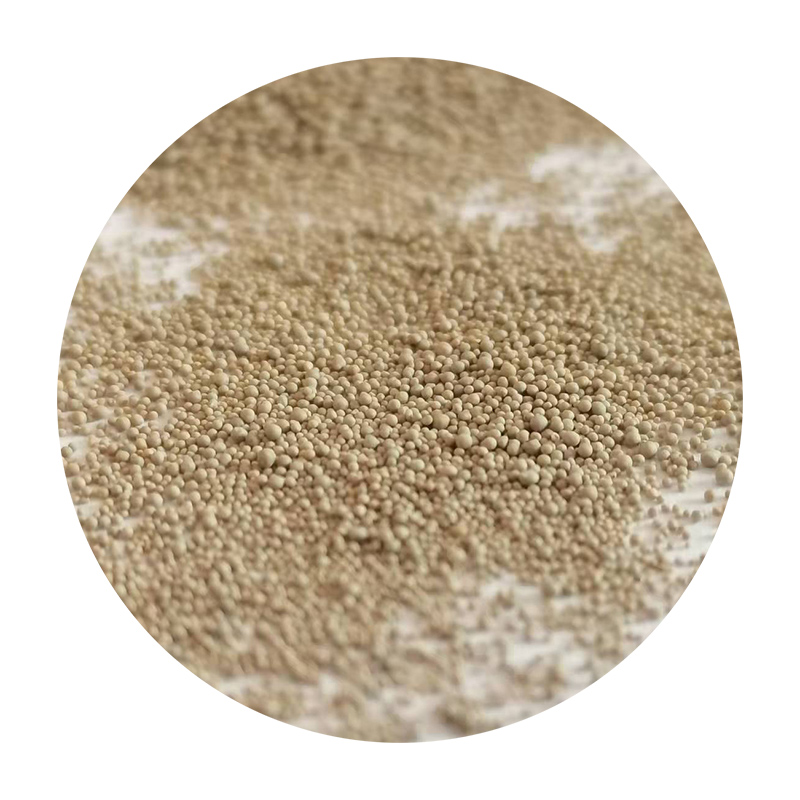
What it is, technically speaking
Ceramcast is an engineered ceramic sand with high sphericity and controlled sizing. In practice, that means better flow in complex cores, lower binder demand, and more predictable shakeout. Many customers say it “just behaves”—less finning, smoother surfaces, fewer hot-tear complaints. I’ve seen similar results in aluminum and steel jobs, surprisingly even in thin-wall ductile iron where veining is a headache.
| Parameter | Typical value (≈) | Test/Reference |
|---|---|---|
| Median size (D50) | 0.30–0.45 mm (AFS GFN ≈ 50–55) | Sieve analysis (ASTM E11) |
| Sphericity/Roundness | ≈ 0.9 | Visual/optical, lab report |
| Thermal expansion | Low; ≈ 0.6% @1000°C | Furnace dilation test |
| Max service temp | ≥ 1,700°C | Refractoriness (PCE) |
| LOI | ≤ 0.1% | Gravimetric |
| Reuse cycles | 20–40 cycles (real-world may vary) | Process audit |
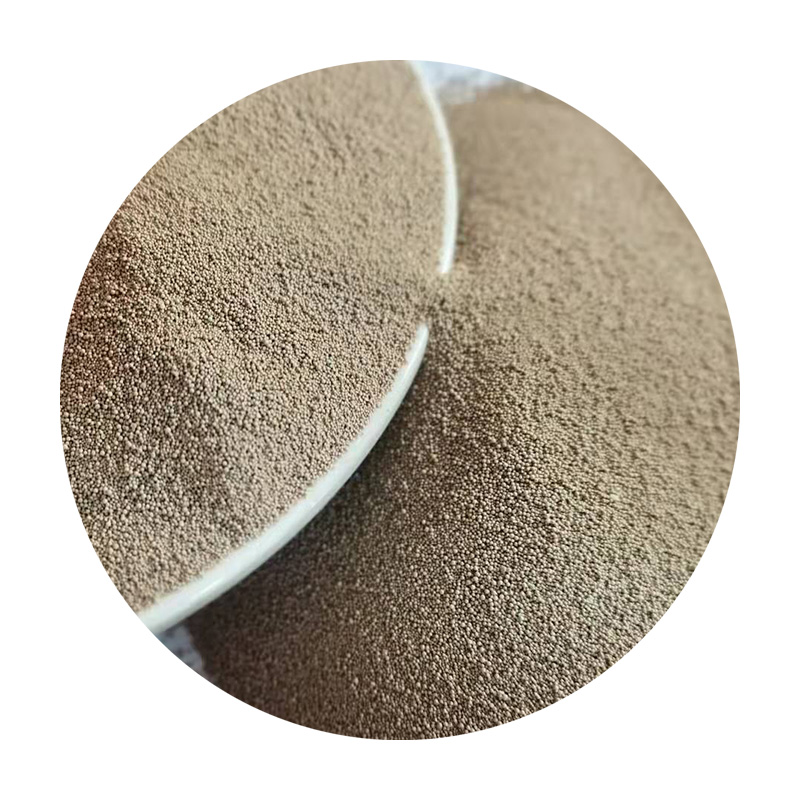
Process flow, testing, and service life
- Materials: engineered ceramic sand; compatible with PUCB, furan, phenolic no-bake, and inorganic binders.
- Methods: cores via cold-box/no-bake; molds via no-bake or hybrid facing/backing mixes.
- QA and testing: sieve curve (ASTM E11), permeability/strength (AFS methods), abrasion (ASTM G65), dimensional checks per ISO 8062-3 for finished castings.
- Service life: typically 20–40 reclamation cycles; thermal/attrition reclaimers extend life—your dust loss will dictate the real number.
- Industries: automotive, pump/valve, mining wear parts, energy, and aerospace tooling support.
Where it shines
Use it for thin-wall aluminum heads, steel impellers that hate veining, and iron housings that must hit ISO 8062-CT6. In fact, in sand casting metal jobs with aggressive thermal gradients, the low expansion helps curb finning and rat-tailing.
| Vendor/Media | Thermal expansion | Roundness | Binder demand | Cost index |
|---|---|---|---|---|
| Ceramcast (ball-shape) | Low | High | Low | Medium |
| Fused silica sand | Very low | Medium | Medium | High |
| Chromite sand | Medium | Medium | High | Medium–High |
| Olivine sand | High | Low–Medium | High | Low |
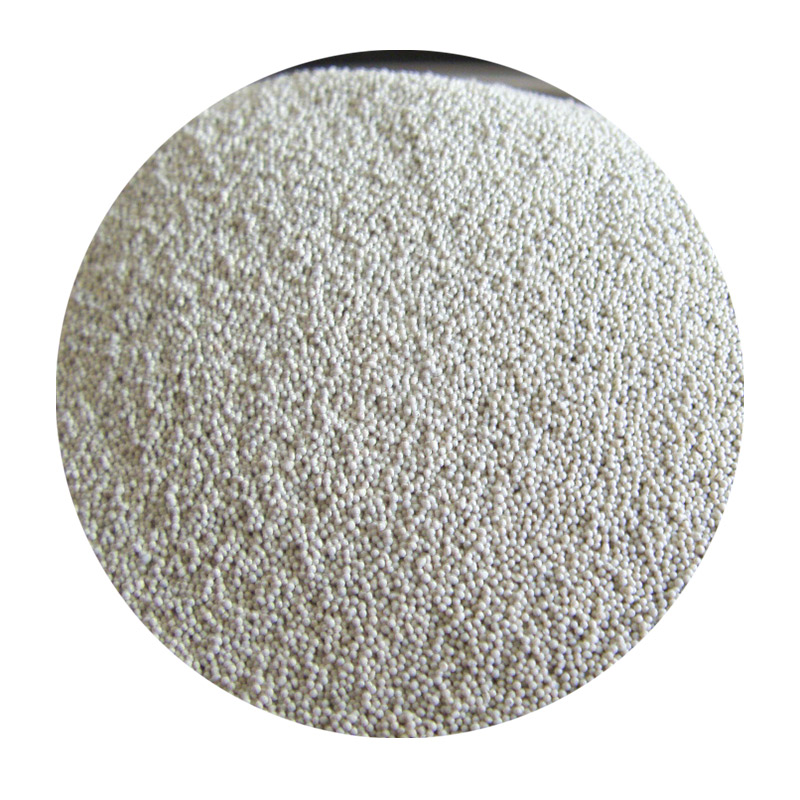
Real-world results (short case)
Shanghai automotive supplier switched a cylinder-head core from angular silica to Ceramcast ball-shape. Outcomes after 6 weeks: scrap down 18%, veining complaints down 70%, core breakage down 32%. Abrasion readings on shot-blast wheel liners improved (≈12% lower loss, ASTM G65 proxy). CT scans confirmed tighter wall-thickness variation. Not magic—just better media behavior in sand casting metal with complex cores.
Customer voice: “Flowed like water in our cold-box, needed ~8% less binder to hold the same strength.” Another added, “Shakeout was gentler—less edge chipping.” Certifications like ISO 9001 are available upon request; batch CofAs and sieve curves are standard. Nice touch.
Customization and ordering notes
- Mesh curves: standard AFS GFN 45–65; tighter cuts on request.
- Binder pairing: data sheets for PUCB, furan, phenolic, and inorganic systems.
- Delivery: bulk bags or small lots; reclaim trials supported.
- Compliance: supports ISO 9001 QMS; SDS and RoHS/REACH screening on file.
Trend-wise, engineered ceramic sands are displacing silica in critical cores to hit ISO 8062 tolerances and reduce binder VOCs. It seems that the economics now favor lower binder and higher reclaim—especially as energy prices nibble at margins. Honestly, it’s a pragmatic shift.
References
- ASTM E11 – Standard Specification for Woven Wire Test Sieve Cloth and Test Sieves: https://www.astm.org/e0011
- ISO 8062-3 – Geometrical tolerancing for castings: https://www.iso.org/standard/65228.html
- ASTM G65 – Dry Sand/Rubber Wheel Abrasion: https://www.astm.org/g0065
- ISO 9001 – Quality Management Systems: https://www.iso.org/iso-9001-quality-management.html
- ASM Handbook, Volume 15: Casting (materials/defect control): https://www.asminternational.org/
Next:High Refractoriness Ceramsite Foundry Sand- Shenghuo New Material Technology Co., Ltd.|High Refractoriness&Low Thermal Expansion