
If you’re scanning the market for casting sand for sale, you’ve probably noticed a quiet shift: more foundries are moving from traditional silica to engineered ceramic beads. I’ve been around pouring floors and QA labs long enough to see why. Ceramcast sand ball shape for sand casting—produced out of No.669 of Xinmiao Sanlu, Xinqiao Town, Songjiang Dist, Shanghai—has become one of those “try it once and you’ll rethink your core room” materials.
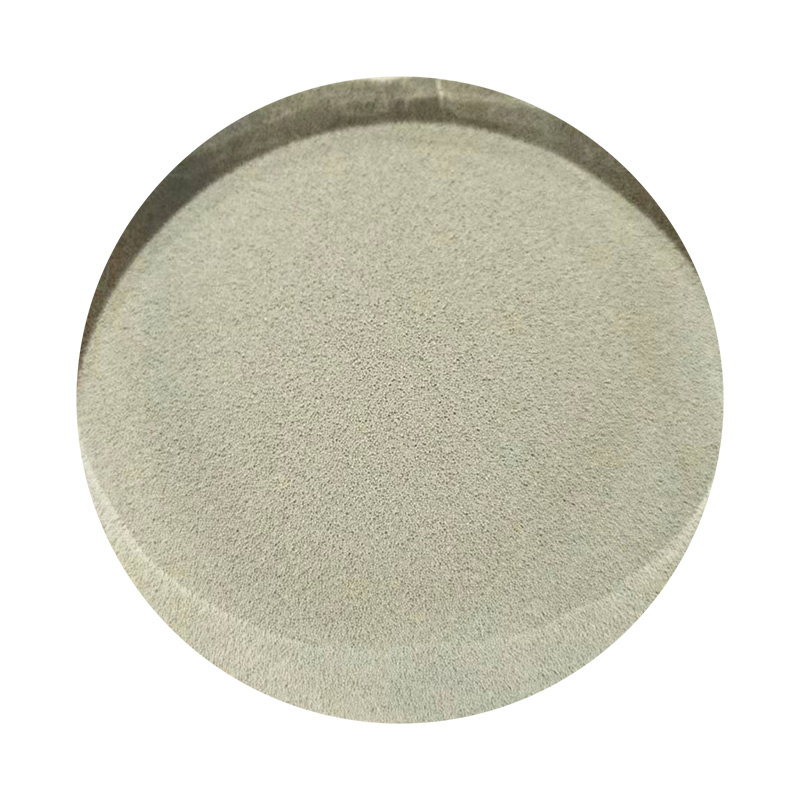
What it is (and why it’s trending)
Ceramcast is a spherical artificial ceramic sand designed to substitute Japanese Cerabeads, fused ceramic sand, Ceramcast-black, chromite, zircon, and of course silica. In practice, that means higher refractoriness, very low thermal expansion, lower bulk density than heavy minerals, excellent flowability, and a notably high reclamation rate. Many customers say the roundness alone improves mold filling on tight core boxes; surprisingly, it also helps binder efficiency.
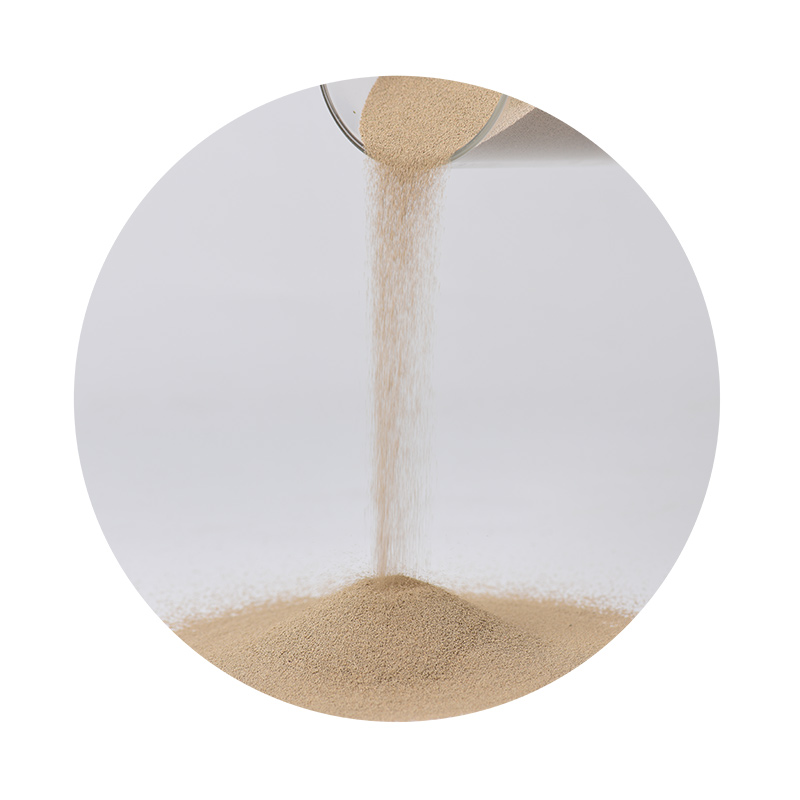
Typical process flow (shop-floor view)
- Materials: Alumino-silicate ceramic matrix (mullite-rich), engineered to spherical morphology.
- Method: Spray granulation → high-temperature sintering → screening (ASTM E11 sieve series) → dust control.
- QC and testing: AFS GFN calculation (AFS 1106), LOI (AFS 1131), sphericity/roundness (Krumbein scale), PCE for refractoriness (ASTM C24), dilatometry for thermal expansion.
- Service life: Often reclaimed 10–20 cycles (real-world use may vary with binder system and thermal load).
- Industries: Automotive blocks/heads, pump housings, valves, compressor bodies, hydraulic manifolds, and stainless/duplex jobs sensitive to veining.
Product specifications (typical values)
| Property | Typical value (≈) | Method/standard |
|---|---|---|
| AFS Grain Fineness Number (GFN) | 50–70 (customizable) | AFS 1106; sieves per ASTM E11 |
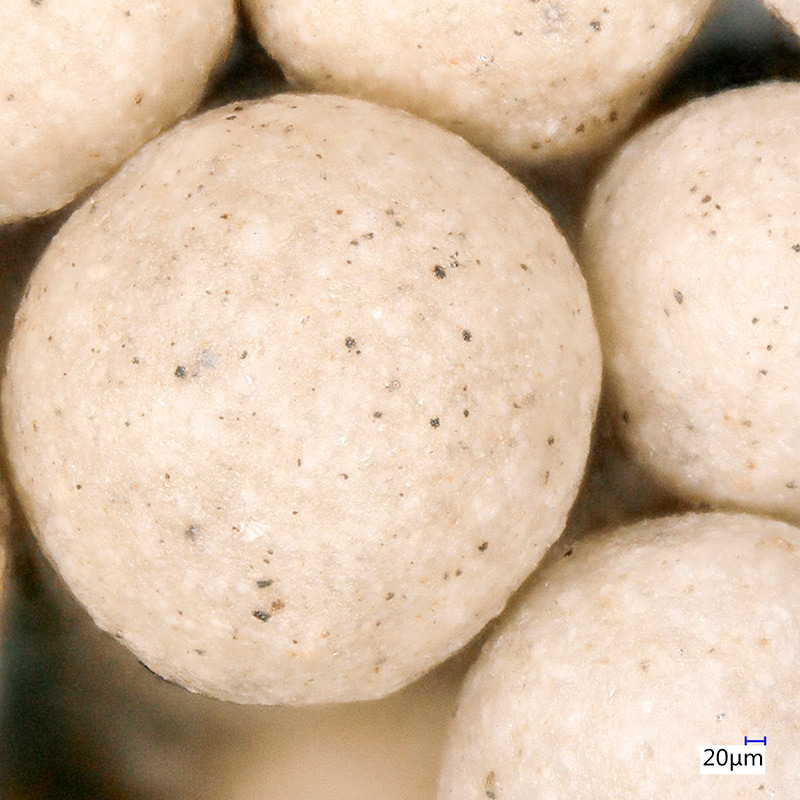
| Sphericity / Roundness | ≥0.90 Krumbein | Microscopic comparison |
| Thermal expansion @1200°C | ≈0.15–0.25% | Dilatometry (lab) |
| Refractoriness (PCE) | ≥36 (~≥1800°C) | ASTM C24 |
| Bulk density | ≈1.85–1.95 g/cm³ | Tap density method |
| LOI | ≤0.1% | AFS 1131 |
Data are representative; real-world results depend on binder, cure, metal temperature, and reclamation settings.
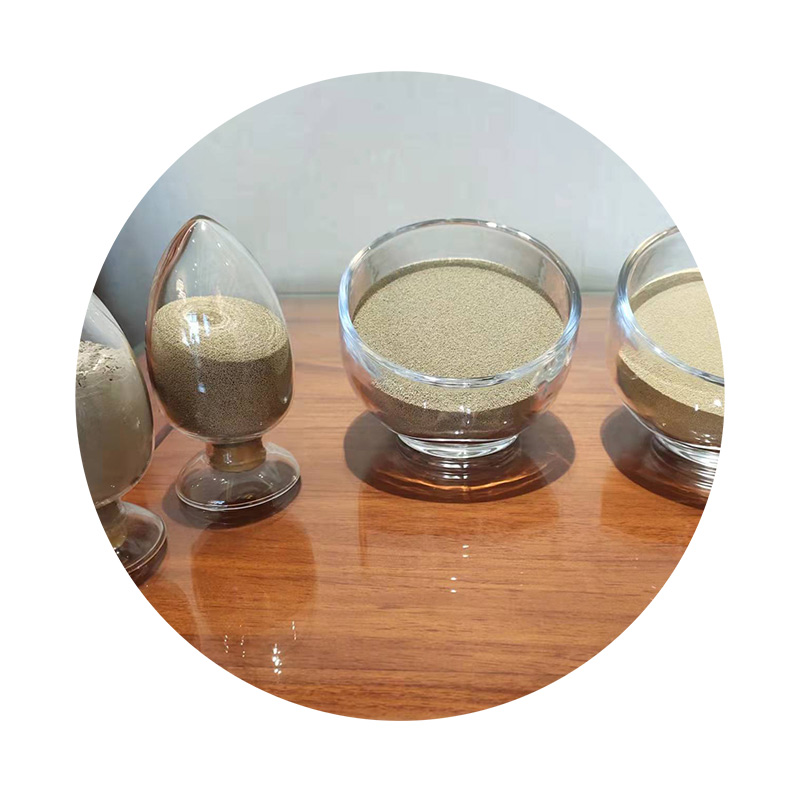
How it performs vs common alternatives
| Material | Thermal expansion | Bulk density | Reclamation cycles | Cost index (≈) | Notes |
|---|---|---|---|---|---|
| Ceramcast (this product) | Very low | ≈1.9 g/cm³ | 10–20 | 1.0 | Strong flowability; reduces veining |
| Japanese Cerabeads | Low | ≈1.8–1.9 g/cm³ | 10–20 | 1.1 | Reference ceramic bead |
| Zircon sand | Very low | ≈4.6 g/cm³ | 5–10 | 1.4 | Great hot strength; heavier, pricier |
| Chromite sand | Moderate–low | ≈4.5 g/cm³ | 5–10 | 1.2 | High thermal conductivity |
| Silica sand | High | ≈1.5–1.7 g/cm³ | 3–6 | 0.6 | Cost-effective but expansion/health limits |
Real-world usage and feedback
In an automotive valve-body line, switching to casting sand for sale in this spherical ceramic grade trimmed veining by ≈40% and cut binder addition by ≈8% (same HS furan). Another stainless pump shop reported more stable core strengths with lower gas defects—honestly, the lower LOI helps. Buyers often customize GFN (say 45, 60, 75) to match surface finish vs. permeability targets.
Compliance, certification, and supply
Vendors in this category typically align with ISO 9001 quality systems; ask for recent certificates and lot COAs. For export, REACH and SDS documentation are standard. Packaging usually: 25 kg bags or ≈1-ton FIBCs. Lead times are reasonable; still, I’d buffer for peak season. The Shanghai origin simplifies multimodal shipping.
When to specify it
- Alloys prone to veining/penetration (stainless, alloy iron, Ni-resists).
- Tight-tolerance cores where flowability and shakeout matter.
- Foundries chasing lower respirable silica exposure and higher reclamation.
Note: Performance depends on binder selection, cure schedule, metal temperature, and reclamation settings—validate with shop trials.
References
- AFS Mold & Core Test Handbook, latest edition.
- ASTM E11 – Specification for Woven Wire Test Sieve Cloth and Test Sieves.
- ASTM C24 – Standard Test Method for Pyrometric Cone Equivalent (PCE).
- ISO 9001:2015 – Quality Management Systems Requirements.
- AFS 1106 – Grain Fineness Number Calculation Procedure.
Next:Different Types of Foundry Sand for Superior Metal Casting