
The Advanced Capabilities of Spherical Sand in Modern Foundry Applications
In the rapidly evolving landscape of industrial manufacturing, the demand for higher precision, improved material performance, and sustainable practices is paramount. Foundries, as a cornerstone of heavy industry, are constantly seeking innovative materials to meet these stringent requirements. Among the most significant advancements is the adoption of spherical sand – a revolutionary ceramic sand product designed to optimize casting processes and elevate finished product quality. This high-performance foundry material offers a compelling alternative to traditional silica, chromite, and zircon sands, presenting a suite of technical advantages that translate directly into operational efficiencies and superior metallurgical outcomes.
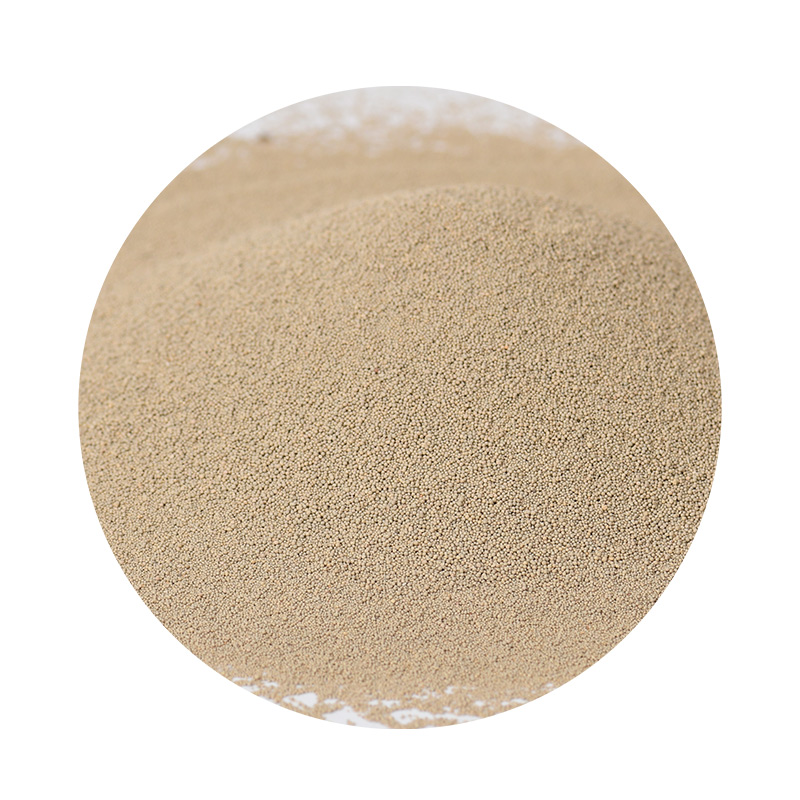
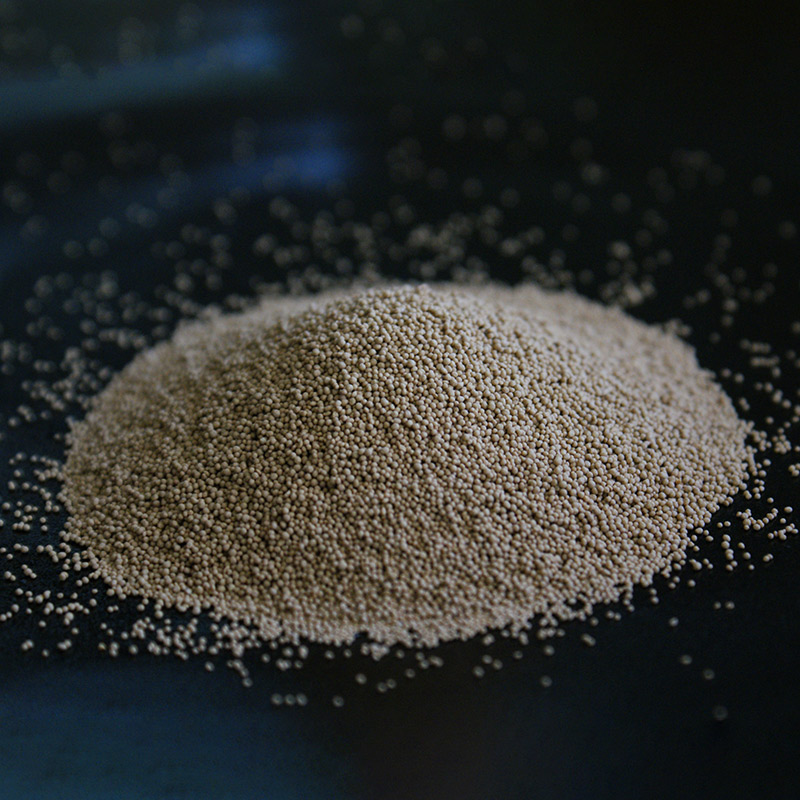
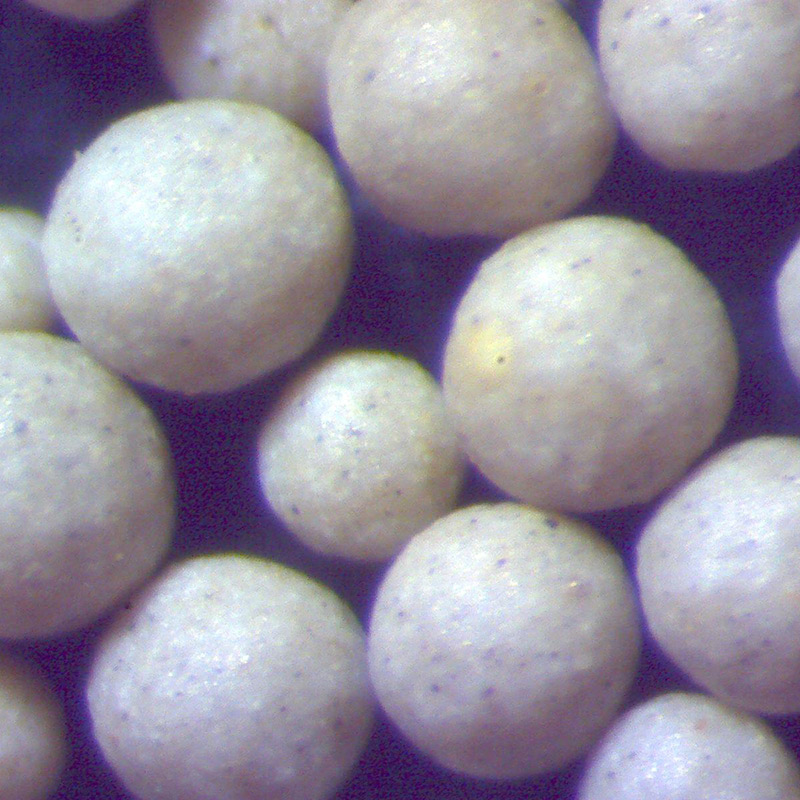
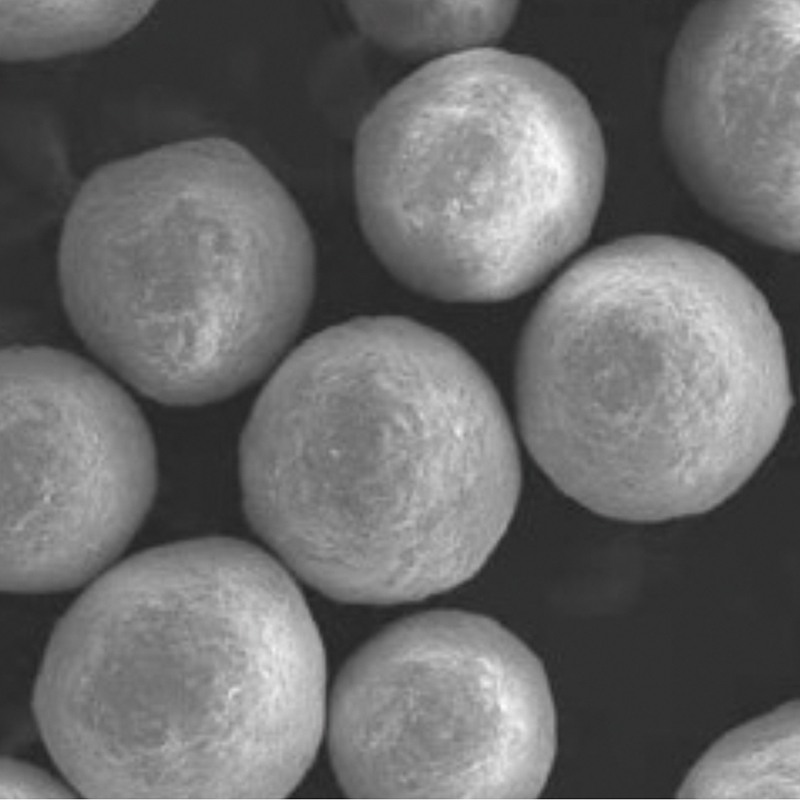
The unique characteristics of spherical sand, including its perfectly rounded grain shape, high refractoriness, low thermal expansion, and chemical inertness, contribute to fewer casting defects, enhanced surface finish, and reduced post-casting processing. This comprehensive overview delves into the production, technical specifications, diverse applications, and profound benefits of this advanced foundry medium, providing B2B decision-makers and engineers with the critical insights needed to harness its full potential.
Industry Trends Driving Ceramic Sand Adoption
The global foundry industry is undergoing significant transformation, driven by several key trends:
- Increased Demand for Precision Castings: Industries such as automotive, aerospace, and energy require components with tighter tolerances and superior surface finishes, pushing foundries to adopt materials like spherical sand that minimize defects.
- Environmental Sustainability: With growing environmental regulations and corporate responsibility initiatives, foundries are seeking materials that reduce waste, energy consumption, and harmful emissions. Ceramic sand offers reusability and reduced binder requirements.
- Cost Optimization: While the initial cost of advanced ceramic sand might be higher than silica, its long-term benefits in terms of reduced scrap rates, lower cleaning costs, and extended mold life result in significant overall cost savings.
- Technological Advancements in Automation: Modern foundries increasingly utilize automated systems, which benefit from consistent, high-quality molding materials like spherical sand that ensure predictable performance.
- Performance in High-Temperature Applications: As casting temperatures increase for advanced alloys, the superior refractoriness of ceramic sand becomes crucial in preventing sand fusion and penetration.
These trends underscore the strategic importance of adopting advanced foundry materials, positioning spherical sand as a key enabler for future-proof casting operations.
Manufacturing Process of Spherical Ceramic Sand
The production of high-quality spherical sand involves a sophisticated, multi-stage manufacturing process designed to achieve its characteristic spherical shape, consistent particle size distribution, and exceptional physical and chemical properties. This process typically starts with carefully selected, high-purity raw materials, primarily bauxite or calcined alumina, ensuring a composition rich in alumina-silicate.
Key Process Steps:
- Raw Material Preparation: High-grade bauxite or alumina is meticulously sourced and then crushed and milled into a fine powder. This fine grinding is crucial for achieving the subsequent spherical form and ensuring homogeneity.
- Slurry Preparation: The fine powder is mixed with water and specific additives to create a homogeneous slurry. The rheology and stability of this slurry are critical for the spheroidization process.
- Spheroidization (Spray Drying/Sintering): This is the core stage where the spherical shape is formed. The slurry is typically fed into a spray drying tower. In this tower, the slurry is atomized into fine droplets, which then dry rapidly in a hot air stream, forming perfectly spherical green bodies. These green bodies are then subjected to high-temperature sintering (firing) in rotary kilns at temperatures exceeding 1300-1600°C. This sintering process densifies the particles, fusing them into robust, non-porous ceramic spheres and developing their high refractoriness.
- Cooling & Crushing: The sintered spheres are carefully cooled to prevent thermal shock and then passed through crushing equipment, if necessary, to achieve specific particle size ranges or to break up any agglomerates.
- Sieving & Grading: The material undergoes multi-stage sieving to separate particles into precise AFS (American Foundrymen's Society) or specific mesh sizes. This strict particle size distribution control is vital for consistent mold permeability and surface finish in foundry applications.
- Quality Control & Testing: Throughout the entire process, rigorous quality control measures are implemented. This includes chemical analysis, particle size distribution analysis, crush strength testing, bulk density measurement, thermal expansion tests, and refractoriness tests. Adherence to international standards such as ISO (e.g., ISO 9001 for quality management) and industry-specific standards like ANSI for testing methodologies ensures the product meets stringent performance criteria.
This meticulous process ensures that the final spherical sand product exhibits exceptional properties, contributing to advantages like energy saving during casting (due to reduced binder usage and easier shakeout) and enabling the production of castings with superior corrosion resistance and mechanical properties due to cleaner metal surfaces.
Technical Specifications and Properties of Spherical Ceramic Sand
The performance of spherical sand is underpinned by its precise technical specifications and unique physical and chemical properties. These attributes make it an ideal choice for high-end foundry applications demanding superior casting quality and operational efficiency.
Key Parameters and Their Significance:
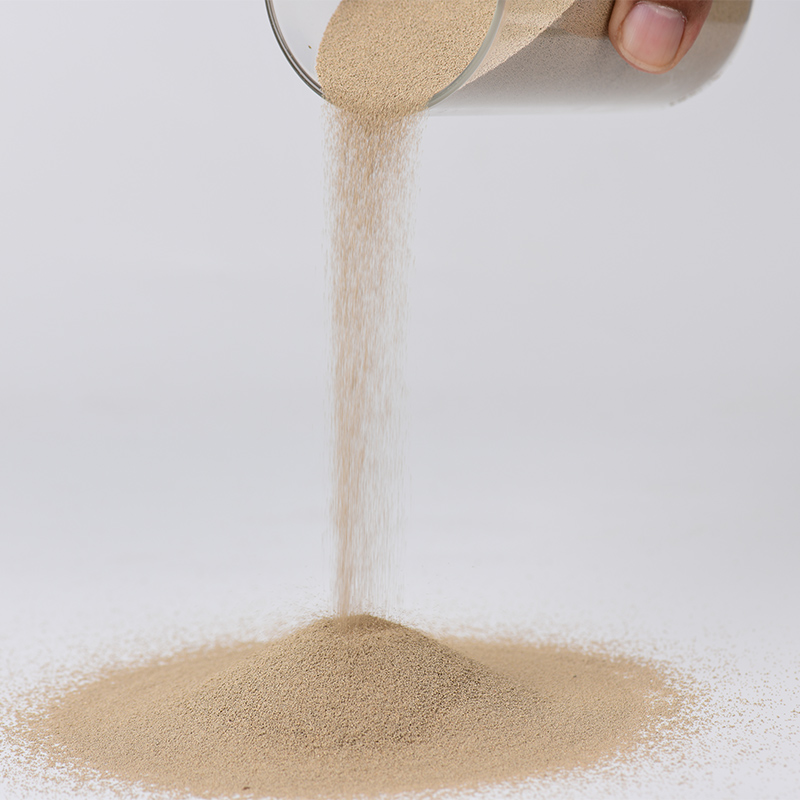
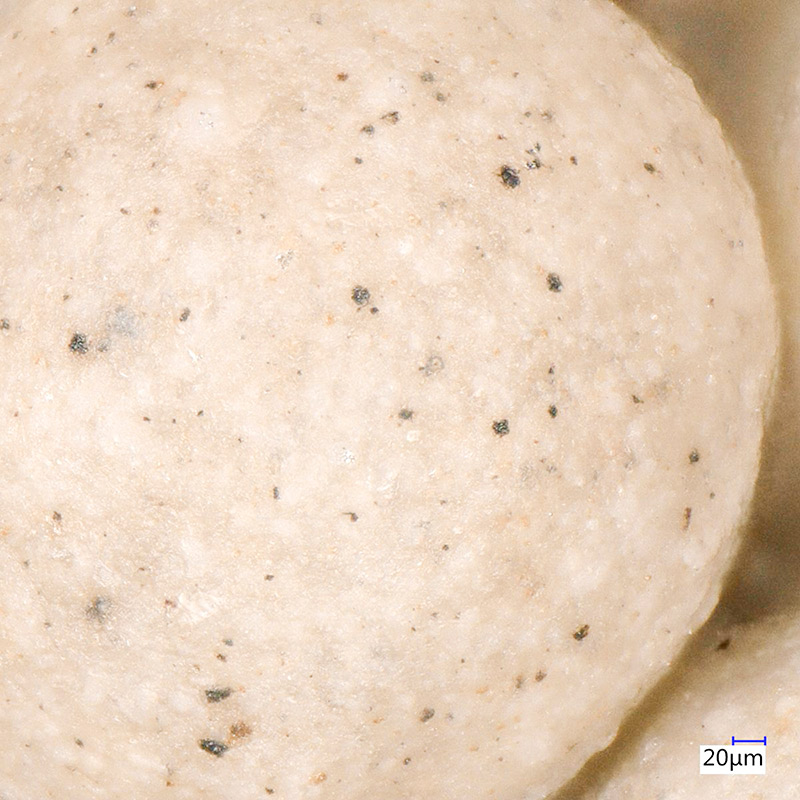
- Spherical Shape & Smooth Surface: The most defining characteristic, leading to excellent flowability, high permeability, and minimal binder requirements. This also results in superior surface finish on castings and easier shakeout.
- High Refractoriness: Typically exceeding 1790°C, ensuring dimensional stability and preventing sand burn-on or penetration even with high-temperature alloys.
- Low Thermal Expansion: Minimizes thermal stress and prevents casting defects such as scabs, buckles, and rat-tails, which are common with silica sand.
- Chemical Inertness: Highly resistant to chemical reactions with molten metal and binders, reducing gas defects and promoting cleaner casting surfaces.
- High Crush Strength: Provides excellent resistance to breakdown during molding and shakeout, enhancing durability and reusability.
- Consistent Particle Size Distribution (PSD): Precisely controlled AFS numbers (e.g., AFS 35, 40, 50, 60, 70, 80) ensure predictable permeability and surface quality.
- Lower Bulk Density: Compared to chromite or zircon sand, this can reduce the overall weight of molds and cores, facilitating handling and transportation.
Typical Product Specification Table:
| Property | Unit | Value Range (Typical) |
|---|---|---|
| Main Chemical Composition (Al2O3) | % | 72 - 76 |
| Main Chemical Composition (SiO2) | % | 18 - 22 |
| Refractoriness | °C | ≥ 1790 |
| Density (True) | g/cm³ | 3.20 - 3.40 |
| Bulk Density | g/cm³ | 1.70 - 1.95 |
| Roundness (ASTM) | ≥ 0.9 | |
| Angularity (K-Factor) | ≤ 1.05 | |
| Thermal Expansion (1000°C) | % | ≤ 0.2 |
| Acid Demand Value (ADV) | ml | ≤ 25 |
| Loss on Ignition (LOI) | % | ≤ 0.15 |
These properties make spherical sand a superior choice for various casting processes, ensuring high-quality, defect-free components.

Application Scenarios and Target Industries
The versatility and superior performance of spherical sand make it an invaluable material across a wide array of foundry applications and demanding industries. Its unique characteristics are particularly beneficial where high precision, excellent surface finish, and minimal casting defects are critical.
Primary Application Areas:
- Iron Casting (Gray Iron, Ductile Iron): Ideal for producing engine blocks, brake components, and machinery parts where smooth surfaces and dimensional accuracy are essential. The low thermal expansion prevents surface defects.
- Steel Casting: Particularly in high-alloy and stainless steel casting, where pouring temperatures are extremely high. The high refractoriness of spherical sand prevents burn-on and penetration, reducing cleaning costs.
- Aluminum and Other Non-Ferrous Casting: For intricate aerospace components, automotive parts, and electronic housings. The smooth surface and low reactivity contribute to excellent surface finish and reduced dross.
- Investment Casting (Shell and Core): Used for precision components requiring intricate details and superior surface quality. Can be used in ceramic shells or for core production in specialized applications.
- Furan, Phenolic, and Cold Box Systems: Compatible with various binder systems, offering flexibility for different foundry practices. The spherical shape helps reduce binder consumption due to less surface area for bonding.
- No-Bake Systems: Enhances the integrity and performance of no-bake molds and cores, ensuring high-quality castings with reduced environmental impact.
Target Industries:
- Automotive: Engine blocks, cylinder heads, transmission cases, brake calipers, and structural components. Leads to better fuel efficiency and lighter vehicles through precision casting.
- Aerospace & Defense: Turboprop components, structural airframe parts, missile components, where extreme precision, lightweighting, and material integrity are non-negotiable.
- Heavy Machinery & Construction: Components for excavators, cranes, agricultural equipment, requiring robust and durable castings.
- Energy Sector (Oil & Gas, Power Generation): Valves, pump housings, turbine components, and drilling equipment operating in harsh environments, demanding high corrosion resistance and structural integrity.
- Petrochemical: Piping, fittings, and reaction vessels that require excellent resistance to corrosive chemicals and high temperatures.
- Metallurgy: Various specialized components for metallurgical processes themselves, or for the production of advanced alloys.
- Water Supply & Drainage: Durable and corrosion-resistant components for pumps, valves, and pipe fittings.
Technical Advantages Over Traditional Foundry Sands
The distinct advantages of spherical sand stem directly from its engineered properties, offering significant improvements over conventional foundry sands like silica, chromite, and zircon sands. These advantages translate into higher quality castings, reduced operational costs, and improved environmental performance.
Key Advantages:
- Superior Surface Finish: The smooth, spherical grains reduce metal penetration and burn-on, resulting in castings with significantly smoother surfaces, often requiring less post-casting finishing (sanding ceramic, ceramic sanding, sanding glazed ceramics related benefit).
- Reduced Casting Defects:
- Low Thermal Expansion: Virtually eliminates defects like scabs, rat-tails, and buckles.
- High Refractoriness: Prevents fusion defects even at extreme pouring temperatures.
- Chemical Inertness: Minimizes gas defects and reactions with molten metal.
- Enhanced Permeability: The uniform spherical shape allows for excellent gas evacuation from the mold, preventing blowholes and pinhole defects, without sacrificing strength.
- Lower Binder Consumption: Due to its perfectly rounded shape and smooth surface, spherical sand has a significantly lower surface area compared to angular sands. This results in reduced binder requirements (typically 30-50% less), leading to cost savings and reduced gas emissions during pouring.
- Excellent Reusability & Durability: Its high crush strength and chemical stability ensure multiple cycles of reuse, drastically reducing sand consumption and disposal costs. This contributes to a longer service life for the sand system.
- Easier Shakeout: The non-wetting properties and spherical shape prevent sand from adhering strongly to the casting, making shakeout much faster and less labor-intensive, thus saving energy.
- Improved Health & Safety: Being free from respirable crystalline silica (RCS), ceramic sand poses a lower health risk compared to silica sand, contributing to a safer working environment.
- Reduced Environmental Impact: Lower binder usage, increased reusability, and fewer defects lead to less waste and a smaller carbon footprint, aligning with modern sustainability goals.
These advantages collectively position spherical sand as a key material for foundries aiming to achieve operational excellence and produce high-quality, high-value castings.
Vendor Comparison and Selection Criteria
Choosing the right supplier for spherical sand is a critical decision that impacts casting quality, production efficiency, and overall cost-effectiveness. A thorough evaluation of potential vendors based on specific criteria is essential for B2B procurement and technical teams.
Key Vendor Selection Criteria:
- Product Quality & Consistency: The ability to consistently deliver spherical sand with uniform particle size, chemical composition, refractoriness, and crush strength is paramount. Certifications (e.g., ISO 9001) are strong indicators.
- Technical Support & R&D: A vendor who offers robust technical support, application engineering assistance, and continuous R&D investment can be a valuable partner in optimizing foundry processes.
- Supply Chain Reliability: Timely delivery, consistent availability, and efficient logistics are crucial to avoid production downtime.
- Cost-Effectiveness (Total Cost of Ownership): While unit price is important, consider the total cost of ownership, including reduced binder usage, lower scrap rates, less post-processing, and extended sand life.
- Customization Capabilities: The ability to provide tailored solutions, such as specific AFS grades or surface treatments, for unique casting challenges.
- Reputation & Industry Experience: A vendor with a proven track record, positive customer feedback, and years of service in the foundry industry (like SinoCeramsite) demonstrates reliability and expertise.
Product Comparison: SinoCeramsite Spherical Ceramic Sand vs. Generic Ceramic Sand
| Feature/Property | SinoCeramsite Spherical Ceramic Sand | Generic Ceramic Sand (Typical) |
|---|---|---|
| Raw Material Purity | High-grade Bauxite/Alumina (>72% Al2O3) | Variable, often lower purity |
| Sphericity / Roundness | Excellent (Roundness ≥ 0.9) | Good to Fair (Roundness 0.7-0.85) |
| Surface Smoothness | Very Smooth, Minimal Porosity | Slightly Rougher, Some Porosity |
| Refractoriness | ≥ 1790°C (Consistent) | 1750-1780°C (Variable) |
| Thermal Expansion | Very Low (≤ 0.2% at 1000°C) | Low (0.25-0.35% at 1000°C) |
| Crush Strength | High, Excellent Durability | Moderate to High |
| Binder Reduction Potential | Significant (30-50%) | Moderate (15-30%) |
| Casting Surface Finish | Exceptional, Minimal Defects | Good, Occasional Defects |
| Consistency (Batch-to-Batch) | High, Rigorous QC | Moderate, Can Vary |
Customized Solutions for Specialized Needs
Recognizing that no two foundry operations are exactly alike, leading manufacturers of spherical sand offer customized solutions to address specific process requirements and casting challenges. These tailored approaches maximize the benefits of ceramic sand for niche applications and unique production environments.
Areas of Customization:
- Grain Size Distribution: While standard AFS grades are available, custom blending or specific narrow distributions can be provided to optimize permeability, surface finish, and mold density for particular casting designs or metal types.
- Chemical Composition Adjustments: For highly specialized alloys or reactive metals, minor adjustments to the alumina-silicate ratio or the inclusion of specific trace elements can enhance chemical compatibility and reduce potential reactions.
- Surface Coatings & Treatments: Applying proprietary coatings to the spherical sand grains can further enhance properties such as non-wetting characteristics, reduce resin demand, or improve shakeout, especially for complex core designs.
- Bulk Packaging & Delivery: Customized packaging options, from various bag sizes to bulk bags (FIBCs) and specialized containers, along with tailored logistics, can optimize handling and storage at the customer's facility.
- Technical Collaboration: Working closely with clients, R&D teams can develop bespoke sand solutions for novel casting processes or to overcome persistent challenges in existing operations. This often involves joint testing and iterative product refinement.
These customized solutions ensure that foundries can fully leverage the advanced properties of spherical sand to achieve optimal results, even in the most demanding or unconventional applications.
Application Case Studies
Real-world applications powerfully demonstrate the impact of spherical sand on foundry operations and casting quality. Here are a few examples illustrating its tangible benefits:
Case Study 1: Automotive Engine Block Production (Ductile Iron)
A leading automotive foundry faced persistent issues with surface finish and internal porosity in complex ductile iron engine blocks using conventional silica sand. Transitioning to spherical sand (AFS 50) for core production yielded significant improvements. They observed a 40% reduction in surface roughness, leading to a 30% decrease in post-casting grinding and finishing time. Furthermore, the improved gas permeability and chemical inertness resulted in a 15% reduction in scrap rate due to porosity and gas defects, directly impacting their bottom line and production efficiency. The sand's enhanced reusability also extended the sand system's life cycle by 25%.
Case Study 2: High-Pressure Valve Bodies (Stainless Steel)
A manufacturer of high-pressure industrial valve bodies, casting complex geometries in stainless steel at elevated temperatures, struggled with sand burn-on and metal penetration when using chromite sand. By adopting spherical sand (AFS 35), they experienced a dramatic improvement. The high refractoriness of the ceramic sand completely eliminated burn-on, and the superior non-wetting properties prevented metal penetration. This allowed them to reduce their post-casting cleaning operations by over 50%, significantly shortening lead times and reducing labor costs. The smoother internal passages also enhanced the performance and service life of the valves.
Case Study 3: Aluminum Aerospace Components (Precision Cores)
An aerospace supplier specializing in lightweight aluminum components for aircraft encountered challenges achieving the ultra-smooth internal passages required for their parts, often resorting to extensive manual finishing after casting. Introducing fine-grade spherical sand (AFS 70) for their intricate cores provided the necessary precision. The result was a casting with an 'as-cast' surface finish that met stringent specifications, virtually eliminating the need for internal sanding and polishing. This not only reduced manufacturing costs but also accelerated production cycles, enabling faster delivery of critical components.
Ensuring Trustworthiness: Our Commitment to Quality and Service
At SinoCeramsite, we understand that trust is built on reliability, transparency, and a steadfast commitment to customer satisfaction. Our operations are geared towards providing not just a superior product, but a complete solution backed by industry-leading practices and unwavering support.
Quality Certifications & Authoritative References:
Our spherical sand products are manufactured under strict quality management systems and are certified to ISO 9001:2015 standards, ensuring consistent product quality from batch to batch. We adhere to relevant industry standards and testing methodologies such as those set by the American Foundry Society (AFS) and other international bodies. Our internal labs are equipped for comprehensive testing, and we regularly collaborate with third-party accredited laboratories to validate product performance and chemical composition, providing verifiable data to our clients.
Lead Time & Fulfillment Details:
We maintain optimized inventory levels and efficient production schedules to ensure prompt fulfillment of orders. Standard lead times for common grades of spherical sand typically range from 2 to 4 weeks, depending on order volume and specific customization requirements. Expedited shipping options are available for urgent requests. Our robust logistics network, including partnerships with reliable global carriers, ensures on-time delivery to destinations worldwide, minimizing supply chain disruptions for our clients.
Warranty Commitments:
SinoCeramsite stands behind the quality and performance of our spherical sand. We offer a comprehensive product warranty covering manufacturing defects and adherence to agreed-upon specifications. In the unlikely event of a product not meeting our published specifications or agreed performance criteria, we commit to prompt investigation, replacement, or appropriate resolution to ensure customer satisfaction. Full warranty terms and conditions are available upon request.
Customer Support Information:
Our dedicated customer support team and technical experts are available to assist with product selection, application guidance, troubleshooting, and post-sales inquiries. We offer:
- Technical Consultation: In-depth guidance from experienced foundry engineers.
- On-Site Support: Where feasible, our team can provide on-site technical assistance to optimize sand usage.
- Online Resources: Access to product data sheets, application guides, and FAQs.
- Responsive Communication: Prompt replies to inquiries via phone, email, or our online portal.
We are committed to building long-term partnerships by providing unparalleled support and expertise.
Frequently Asked Questions (FAQ) about Spherical Sand
Q1: How does spherical sand improve casting surface finish?
A1: The perfectly rounded, smooth grains of spherical sand minimize the contact points with molten metal, significantly reducing metal penetration and burn-on. This results in an exceptionally smooth casting surface, often reducing or eliminating the need for post-casting finishing processes like sanding ceramic or ceramic sanding.
Q2: Is spherical sand reusable, and what is its typical service life?
A2: Yes, spherical sand is highly reusable. Its high crush strength and chemical inertness ensure it retains its structural integrity and properties through multiple casting cycles. Depending on the application and reclamation process, it can be reused significantly more times than traditional sands, often extending system life by 3-5 times or more, leading to substantial cost savings and waste reduction.
Q3: What are the environmental benefits of using spherical ceramic sand?
A3: The environmental benefits are substantial: it's free of respirable crystalline silica (RCS), making it safer for workers; its high reusability drastically reduces landfill waste; and its lower binder demand reduces VOC emissions and the consumption of chemical resins. This aligns with sustainable manufacturing practices and often results in energy saving for shakeout.
Q4: Can spherical sand be used with all types of binder systems?
A4: Yes, spherical sand is compatible with most common binder systems, including furan, phenolic, cold box, no-bake, and green sand systems. Its low acid demand value (ADV) ensures stable and predictable curing times with acid-catalyzed systems.
Q5: How does the cost of spherical sand compare to other foundry sands?
A5: While the initial purchase price of spherical sand may be higher than silica sand, its superior performance often results in a lower total cost of ownership. This is due to reduced binder consumption, significantly lower scrap rates, less post-casting finishing, extended sand system life, and lower disposal costs. The economic benefits typically outweigh the higher upfront investment.
Conclusion
Spherical sand represents a paradigm shift in foundry materials, offering an unparalleled combination of technical advantages that directly address the modern industry's demands for higher quality, greater efficiency, and improved sustainability. From its meticulously controlled manufacturing process to its verifiable performance across diverse applications, this advanced ceramic sand provides foundries with a strategic tool to optimize production, minimize defects, and enhance the overall value of their castings. By leveraging the unique properties of spherical sand, B2B decision-makers can achieve significant operational savings, elevate product quality, and secure a competitive edge in today's dynamic global market.
References
- American Foundry Society. (2018). *Molding Materials & Processes Manual*. Schaumburg, IL: AFS Publications.
- International Organization for Standardization. (2015). *ISO 9001:2015 Quality management systems – Requirements*. Geneva, Switzerland: ISO.
- ASM Handbook, Vol. 15: *Casting*. (2008). Materials Park, OH: ASM International.
- Shivpuri, R., & Singh, J. (2016). *Advanced Casting Technology*. Boca Raton, FL: CRC Press.
- Modern Casting Magazine. (Various Issues). Schaumburg, IL: American Foundry Society.
Next:Shenghuo's 3D Sand Printing Innovation