
Understanding the Importance of Surface Finish in Advanced Manufacturing with Sand 3D Printing
In the realm of B2B manufacturing, particularly within foundry operations and prototyping, the pursuit of superior surface finish and dimensional accuracy is paramount. Traditional casting methods often involve labor-intensive post-processing, including significant mechanical intervention to achieve the desired final part quality. The advent of 3D printing technologies, especially for sand molds and cores, has revolutionized this landscape, offering unprecedented design freedom and efficiency.
This article delves into the critical aspects surrounding the finishing of components produced via 3D printed sand molds, specifically addressing the challenges and solutions related to sanding 3d prints derived from these advanced processes. We will explore how innovative materials like ceramic casting sand optimize the entire workflow, from mold creation to the final product, minimizing the need for extensive post-casting operations and enhancing overall part integrity. The goal is to highlight how strategic material selection and process control can drastically reduce manual finishing efforts, leading to cost savings and faster time-to-market.
Process Flow: From Digital Design to Reduced Post-Processing
The manufacturing process using 3D printed sand molds and cores, which directly influences the extent of necessary sanding 3d prints in the subsequent metal part, can be meticulously broken down into several key stages:
1. Digital Design & Simulation (CAD/CAE)
Engineers utilize advanced CAD software to design complex geometries. CAE tools perform simulations for mold filling and solidification, predicting potential defects and optimizing gate/riser designs. This digital precision minimizes later issues.
2. 3D Printing of Sand Molds & Cores (Binder Jetting)
High-resolution industrial 3D printers, typically employing binder jetting technology, selectively deposit a liquid binder onto layers of specialized sand (such as ceramic casting sand). This process builds the mold and core layer by layer directly from the CAD file.
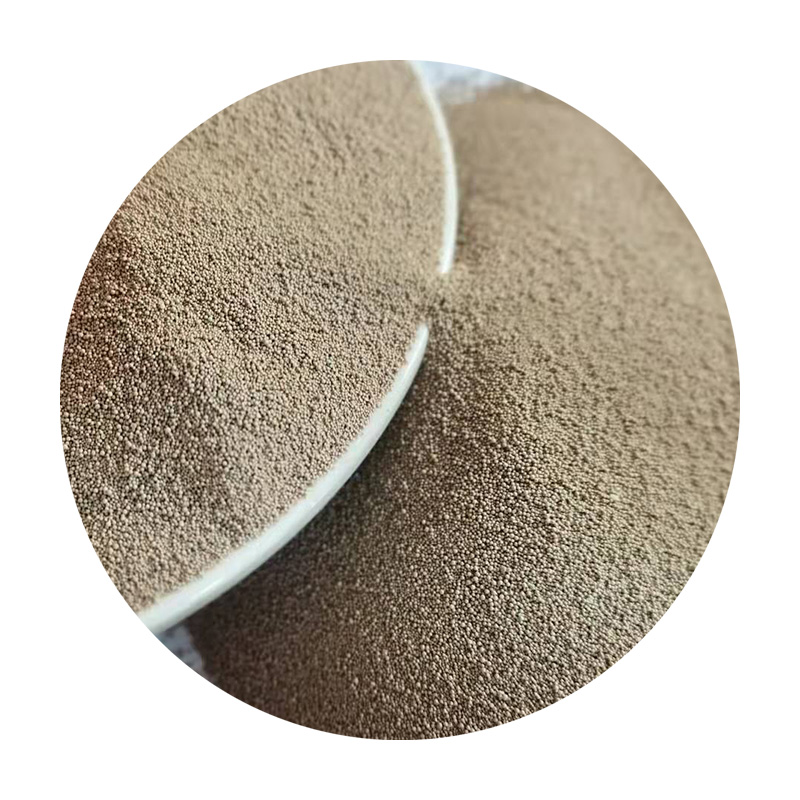
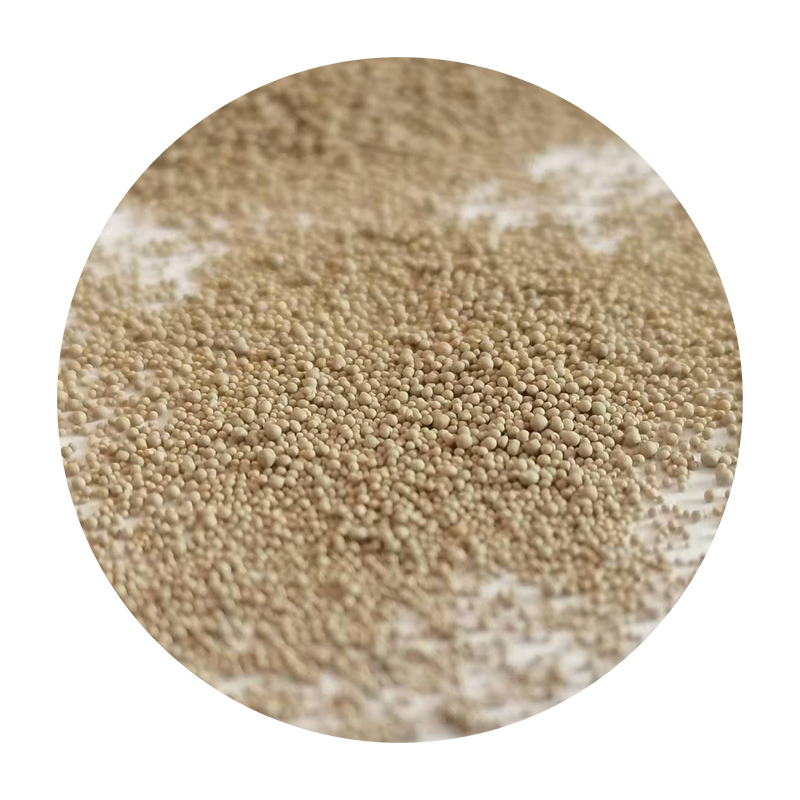
- Product Material: High-purity ceramic casting sand. Its uniform grain size and spherical shape are crucial for packing density and surface finish.
- Manufacturing Process: Binder Jetting. Layer thickness typically ranges from 0.1mm to 0.4mm, defining the mold's internal surface quality.
3. Post-Processing of Sand Molds (De-powdering & Curing)
After printing, unbound sand is removed via vacuum or brushes. The printed molds are then cured (often with a catalyst or thermal treatment) to enhance their strength and stability. Optional refractory coatings can be applied for extremely demanding applications, further refining the final metal casting's surface.
4. Metal Pouring & Solidification
Molten metal (e.g., steel, aluminum, iron, superalloys) is poured into the 3D printed sand mold. The superior refractory properties and low thermal expansion of ceramic casting sand ensure minimal mold erosion and excellent dimensional stability during high-temperature casting.
5. Demolding & Part Extraction
Once cooled, the sand mold is broken away to reveal the raw casting. The excellent collapsibility of ceramic sand aids in easy demolding, reducing damage to intricate parts.
6. Final Finishing & Inspection (Minimizing Sanding 3D Prints)
The raw casting undergoes fettling, gate and riser removal, and cleaning. Due to the high surface quality achieved with advanced 3D printed sand molds, the need for extensive sanding 3d prints (i.e., the cast metal parts) is significantly reduced. This step typically involves minimal grinding, shot blasting, and then final inspection (e.g., NDT, dimensional checks per ISO standards).
Testing Standards: Product quality often adheres to international standards like ISO 9001 for quality management, ASTM E2438 for sand characterization, and specific industry standards for casting integrity (e.g., ISO 8062 for dimensional tolerances of castings).
Service Life: For the ceramic casting sand itself, its refractory properties ensure durability even under repeated high-temperature cycles for mold reuse (if applicable, though typically single-use for 3D printing). The resulting metal parts exhibit superior service life due to reduced surface defects from precise casting, enhancing properties like corrosion resistance and fatigue strength.
Target Industries: Petrochemical, Metallurgy, Water Supply & Drainage, Automotive, Aerospace, Energy, and Heavy Machinery.
Industry Trends & Technical Specifications of Ceramic Casting Sand
The foundry industry is witnessing a significant shift towards additive manufacturing, driven by demands for shorter lead times, greater design flexibility, and improved part quality. 3D printing for sand casting is at the forefront of this transformation, with materials like ceramic casting sand gaining prominence due to their superior performance compared to traditional silica sands.
The focus is increasingly on achieving "net-shape" or "near-net-shape" castings to minimize expensive and time-consuming post-processing steps like grinding and sanding 3d prints. This is where the intrinsic properties of the mold material become critical.
Key Technical Specifications: Ceramic Casting Sand for Sand 3D Printing
| Parameter | Value/Description | Benefit in 3D Sand Printing |
|---|---|---|
| Main Component | Alumina (Al₂O₃) or high-grade refractory oxides | Exceptional refractory properties, high heat resistance. |
| Appearance | White/off-white spherical grains | Spherical shape ensures excellent flowability and packing density in the 3D printer, leading to higher print resolution and smoother mold surfaces. |
| Refractory Temperature | >1750°C (3182°F) | Suitable for casting high-temperature alloys (e.g., steels, superalloys) without mold degradation or penetration. |
| Thermal Expansion Coefficient | Low (e.g., ~4-6 x 10⁻⁶ /°C) | Minimizes mold distortion and thermal shock cracking, contributing to high dimensional accuracy of castings. |
| Acid Demand Value (ADV) | Typically < 5 ml | Low reactivity with binders, ensuring consistent curing and mold strength. |
| Hardness (Mohs) | ~7-8 | High abrasion resistance, reduces mold wear and ensures durability during handling and casting. |
| Grain Fineness Number (GFN) | 50-70 (adjustable) | Directly impacts surface finish of the mold, reducing metal penetration and improving overall casting smoothness. |
| Permeability | Optimized for gas escape | Prevents gas defects in castings while maintaining surface integrity. |
These properties make ceramic casting sand an ideal choice for 3d printer sand casting applications where precision and minimal post-processing are key. By starting with a superior mold, the effort involved in sanding 3d prints (i.e., the cast components) is dramatically cut down.
Technical Advantages: Minimizing Finishing Efforts
The adoption of ceramic casting sand in 3d print sanding and metal casting offers a suite of technical advantages that directly contribute to superior end products and streamlined manufacturing processes, significantly reducing the need for intensive finishing operations, including the often-tedious task of sanding 3d prints.
- Exceptional Surface Finish: The spherical grain shape and uniform particle size distribution of ceramic sand translate to a much smoother internal mold surface. This directly results in castings with significantly better as-cast surface quality, often reducing or eliminating the need for extensive manual sanding 3d prints.
- Superior Dimensional Accuracy: Low thermal expansion and high refractory temperature prevent mold deformation and thermal cracking during pouring. This ensures the final casting precisely matches the digital model, minimizing dimensional deviations that would otherwise require machining or grinding.
- Reduced Defects: High refractoriness and excellent chemical inertness prevent phenomena like metal penetration, burn-on, and veining. These common defects in traditional casting often necessitate heavy grinding and repair, which are largely avoided with ceramic sand.
- Energy Saving & Environmental Benefits: By minimizing post-processing steps such as grinding and polishing, foundries save significant energy, labor, and abrasive material costs. Furthermore, cleaner shake-out and reduced waste sand contribute to a more sustainable operation. Ceramic sands are often reclaimable and generate less hazardous waste compared to some organic binders.
- Corrosion Resistance & Enhanced Material Properties: Castings produced with high-quality molds exhibit fewer surface and sub-surface defects. This translates to improved integrity of the base material, enhancing properties like corrosion resistance, fatigue life, and overall mechanical performance, especially crucial for parts in demanding environments like petrochemical or aerospace applications.
- Complex Geometry Capability: 3D printing sand casting enables the creation of highly intricate internal passages and external features that are impossible with traditional tooling. Ceramic sand's excellent flowability allows for superior reproduction of these details, ensuring functionality without compromising surface quality.
Application Scenarios & Industry Impact
The strategic application of 3d printing sand casting with ceramic sand is transforming manufacturing across diverse high-value industries:
- Petrochemical Industry: For impellers, valve bodies, and pump components requiring high corrosion resistance and intricate internal geometries. The precise casting minimizes internal surface roughness, crucial for fluid dynamics and preventing cavitation, thus reducing the need for corrective sanding 3d prints on these complex internal features.
- Aerospace & Defense: Lightweight structural components, engine parts, and specialized fixtures in high-performance alloys. The ability to produce near-net-shape parts reduces expensive post-machining time and waste of costly materials.
- Automotive & Motorsports: Engine blocks, cylinder heads, transmission casings, and prototypes. Rapid iteration and customized lightweighting are key benefits, reducing the lead time from design to functional prototype and subsequently the need for manual finishing.
- Energy Sector (Turbines, Power Generation): Large, complex components for gas turbines, hydroelectric power, and nuclear applications. The high refractory properties are essential for superalloys, ensuring part integrity and extended service life in extreme conditions.
- Heavy Machinery & Industrial Equipment: Custom components for construction, mining, and agricultural machinery, where durability and performance under harsh conditions are critical.
In these sectors, the ability to produce high-quality castings with minimal need for manual sanding 3d prints directly translates to significant cost reductions, improved product performance, and accelerated product development cycles.
Vendor Comparison: Ceramic Sand vs. Traditional Silica Sand
When considering materials for 3d printing for sand casting, the choice of sand significantly impacts casting quality, production efficiency, and the subsequent need for finishing like 3d print sanding. Below is a comparison highlighting the advantages of ceramic casting sand:
| Feature | Ceramic Casting Sand (e.g., Sinoceramsite) | Traditional Silica Sand |
|---|---|---|
| Grain Shape | Spherical | Angular to sub-angular |
| Surface Finish of Castings | Excellent, minimal defects, reduces sanding 3d prints. | Good, but prone to higher surface roughness and defects requiring more finishing. |
| Refractory Temperature | >1750°C | ~1500-1600°C (can be lower for specific silica types) |
| Thermal Expansion | Very Low, stable | Higher, can lead to mold cracking and dimensional inaccuracies. |
| Metal Penetration & Burn-on | Minimal to none due to dense packing and high refractoriness. | More susceptible, especially with higher casting temperatures. |
| Flowability in 3D Printer | Excellent, allows for fine feature resolution and dense packing. | Good, but angularity can lead to bridging and less uniform layers. |
| Cost (per kg) | Higher initial cost | Lower initial cost |
| Overall Cost-Effectiveness | High (due to reduced post-processing, less scrap, higher quality) | Lower (higher post-processing costs, potential for more scrap) |
| Environmental Impact | Silica-free, often reclaimable, reduced dust. | Silica dust is a health concern; reclaimability varies. |
While ceramic casting sand involves a higher upfront material cost, the long-term benefits in terms of reduced labor for finishing, lower scrap rates, and superior final product quality offer a compelling ROI for B2B manufacturers. The elimination of extensive sanding 3d prints on cast parts significantly outweighs the initial material investment.
Customized Solutions & Service Offerings
Recognizing that each manufacturing application presents unique challenges, leading suppliers of ceramic casting sand, such as Sinoceramsite, offer tailored solutions to optimize 3d sand printing processes and subsequent finishing. Customization can involve:
- Tailored Grain Fineness Numbers (GFN): Adjusting the GFN to specific requirements for surface finish (finer for smoother, coarser for specific permeability needs) while balancing printer compatibility.
- Binder Compatibility Optimization: Collaborating with clients to ensure seamless integration with their existing binder jetting systems and chosen binder chemistries (e.g., Furan, Phenolic, Inorganic binders) to maximize print quality and minimize post-processing.
- Application-Specific Testing & Support: Providing comprehensive material testing, including particle size distribution, thermal expansion, permeability, and refractory tests, tailored to client's casting alloys and temperatures.
- Process Consultancy: Offering expert guidance on optimizing 3d printer sand casting parameters to achieve desired surface quality and reduce the necessity for extensive sanding 3d prints in the finishing stage.
This collaborative approach ensures that the specific needs of each foundry or manufacturer are met, leading to optimized outcomes and a strong return on investment.
Application Case Studies: Real-World Impact
The practical benefits of ceramic casting sand in 3d printed sand casting are evidenced in numerous successful industrial applications:
Case Study 1: Aerospace Component Production
A leading aerospace manufacturer needed to produce a complex engine bracket from a nickel-based superalloy. Traditional sand casting methods struggled with internal cooling channels, leading to significant material waste and extensive post-machining. By adopting 3d printing sand casting with high-performance ceramic sand, they were able to print molds with intricate internal geometries, achieving a surface roughness (Ra) of 6-8 µm directly from the mold. This reduced subsequent finishing operations by 40%, including a dramatic decrease in the need for sanding 3d prints, cutting lead times by 6 weeks and saving approximately $15,000 per prototype part in post-processing costs alone.
Case Study 2: Rapid Prototyping for Automotive Industry
An automotive OEM required rapid prototyping of an aluminum engine block for a new vehicle model. Using traditional methods, tooling creation alone took 8-10 weeks. Implementing 3d printing for sand casting with ceramic sand allowed them to produce a fully functional sand mold within 72 hours. The high-quality ceramic molds yielded castings with excellent dimensional accuracy and surface finish (Ra of 4-6 µm), drastically reducing the usual 20-30 hours of grinding and sanding 3d prints down to just 5 hours. This accelerated their design iteration cycle, bringing the vehicle to market faster.
Case Study 3: Custom Valve Body for Petrochemical Applications
A petrochemical equipment supplier needed a specialized valve body with complex internal flow paths, cast from high-strength stainless steel. Traditional casting often resulted in metal penetration and inclusions, compromising the part's integrity and requiring costly repairs. By utilizing 3d sand printing with fine-grain ceramic sand, they achieved extremely smooth internal surfaces, virtually eliminating metal penetration. The resulting castings required only minimal touch-up and no extensive sanding 3d prints, ensuring superior fluid flow characteristics and enhanced corrosion resistance. This led to a 15% improvement in casting yield and significantly reduced quality control rework.
Frequently Asked Questions (FAQ)
Q: What is the primary benefit of using ceramic casting sand in 3D printing for sand casting?
A: The primary benefit is significantly improved surface finish and dimensional accuracy of the resulting metal castings, which drastically reduces the need for post-processing like grinding and sanding 3d prints. It also offers superior refractory properties and excellent flowability for complex geometries.
Q: Is ceramic casting sand compatible with all binder jetting systems?
A: While ceramic casting sand is generally designed for binder jetting systems, optimal performance depends on specific binder chemistries and printer settings. Reputable suppliers provide compatibility guidelines and offer technical support for integration.
Q: How does ceramic sand contribute to reduced lead times?
A: By enabling the production of high-quality, near-net-shape castings with minimal need for manual finishing and rework, ceramic sand accelerates the entire manufacturing cycle from design to final product delivery.
Q: Are there environmental advantages to using ceramic casting sand?
A: Yes, ceramic sand is typically silica-free, addressing health concerns associated with silica dust. It also often has higher reclaimability and results in less overall waste due to fewer defective castings and reduced post-processing sludge.
Lead Time, Warranty & Customer Support
Understanding the operational requirements of our B2B clients, we prioritize reliability and transparency in our service commitments:
- Lead Time & Fulfillment: Standard orders for ceramic casting sand typically have a lead time of 2-4 weeks, depending on volume and specific customization requirements. We maintain strategic inventory levels to support expedited requests and consistent supply chain reliability.
- Quality Assurance & Warranty: All ceramic casting sand products are supplied with comprehensive Certificates of Analysis (CoA) to confirm adherence to stated technical specifications (e.g., GFN, refractory properties, chemical composition). We provide a standard product warranty covering material defects and performance as per agreed-upon specifications, typically for 12 months from the date of purchase, ensuring consistent quality for 3d printing sand casting.
- Dedicated Customer Support: Our team of technical experts and sales professionals provides end-to-end support, from initial consultation and material selection to post-implementation process optimization. This includes troubleshooting, application guidance, and training to maximize the benefits of our ceramic casting sand and minimize the effort involved in sanding 3d prints.
Conclusion
The adoption of advanced materials like ceramic casting sand in 3d sand printing marks a significant leap forward in foundry technology. By producing high-integrity sand molds with superior surface characteristics, manufacturers can achieve metal castings that are closer to final shape and significantly reduce, if not eliminate, the labor-intensive and costly process of sanding 3d prints. This paradigm shift offers not only economic advantages through reduced post-processing and scrap but also enhances product performance, accelerates time-to-market, and supports more sustainable manufacturing practices. For B2B decision-makers and engineers, investing in high-quality ceramic casting sand is a strategic move towards achieving unparalleled precision and efficiency in their casting operations.
References
- ASTM International. "Standard Test Methods for Ceramic Casting Sand and its Effect on Cast Metal Surface Quality." ASTM, 2023.
- ISO 8062-3:2007. "Geometrical Product Specifications (GPS) — Dimensional and geometrical tolerances for moulded parts — Part 3: General dimensional and geometrical tolerances and machining allowances for castings." International Organization for Standardization, 2007.
- Campbell, J. "Complete Casting Handbook: Metal Casting Processes, Metallurgy, Techniques and Design." Butterworth-Heinemann, 2011.
- ExOne. "Binder Jetting: Additive Manufacturing for Metal & Sand." ExOne GmbH, 2024.
- Singh, T. P., et al. "Optimization of 3D Printed Sand Molds for Improved Casting Surface Finish." Journal of Manufacturing Processes, vol. 68, 2021, pp. 112-125.
Next:High Refractoriness Ceramsite Foundry Sand - Hebei Shenghuo New Material Technology Co., Ltd.|High Refractoriness, Low Thermal Expansion