
Lost Foam Casting An Overview
Lost foam casting is a highly efficient manufacturing process that is widely used in the metal casting industry. This technique is particularly notable for producing complex shapes and intricate designs without the need for traditional patterns. In this article, we will delve into the principles of lost foam casting, its advantages, applications, and the steps involved in the process.
What is Lost Foam Casting?
Lost foam casting is a method of metal casting in which a foam pattern is used to create a mold. The pattern is typically made from expanded polystyrene (EPS) and is coated with a refractory material to form a mold shell. Once the mold is prepared, molten metal is poured into it, vaporizing the foam pattern and filling the void left behind. This innovative method allows for a seamless transition from foam to metal, resulting in detailed features and precise dimensions.
Advantages of Lost Foam Casting
1. Complex Geometries One of the key benefits of lost foam casting is its ability to produce complex shapes that would be difficult or impossible to achieve with traditional casting methods. This is particularly useful in industries where intricate designs are essential.
2. Reduced Waste The lost foam casting process generates minimal waste compared to other casting techniques. Since the foam pattern is vaporized during the metal pour, there are no leftover materials that must be recycled or disposed of, making this process environmentally friendly.
3. Cost Efficiency The elimination of pattern-making reduces costs and lead times. Because the foam patterns can be produced quickly and inexpensively, manufacturers can benefit from lower production costs and faster turnaround times.
4. Improved Surface Finish Finished products from lost foam casting often exhibit superior surface finish compared to those produced by traditional methods. This means less post-processing is necessary, leading to further cost savings.
5. Versatile Materials Lost foam casting can be used with a variety of metals, including aluminum, iron, and steel, giving manufacturers the flexibility to choose the right material for their specific application.
Applications
lost foam casting
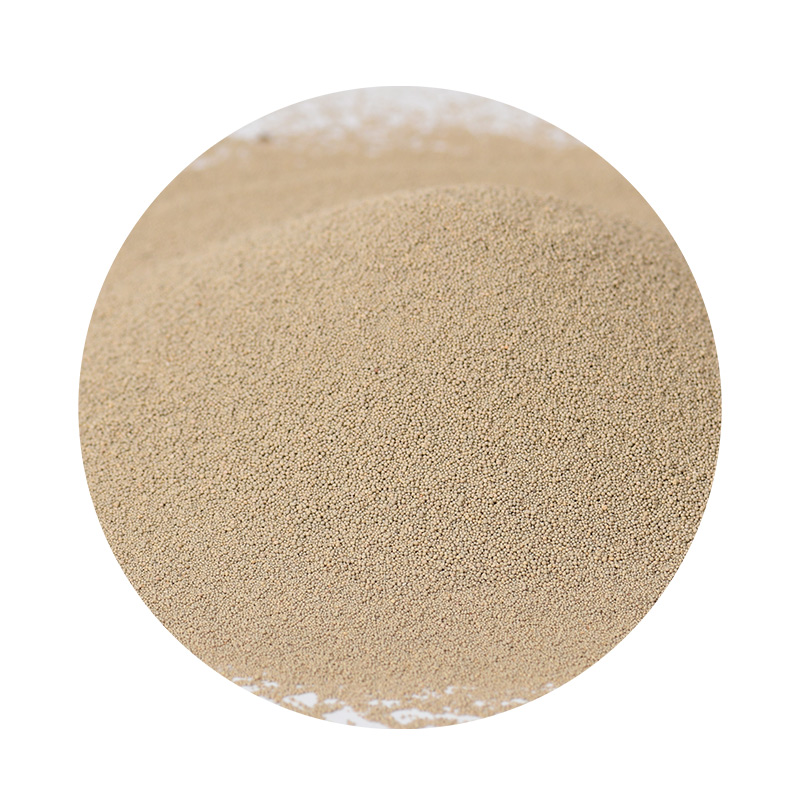
Lost foam casting is used in numerous industries, including automotive, aerospace, and art. For instance, in the automotive industry, complex engine components and intricate parts such as intake manifolds are often manufactured using this technique. The aerospace sector employs lost foam casting for critical components that require high precision and weight reduction. Additionally, artists and sculptors use lost foam casting to create unique metallic sculptures that can capture fine details.
The Lost Foam Casting Process
The process of lost foam casting can be broken down into several key steps
1. Pattern Creation A foam pattern is created based on the desired part dimensions. This pattern can be made using CNC machining or 3D printing technologies, allowing for high levels of precision.
2. Coating The foam pattern is coated with a refractory material, often a mixture of sand and a binder. This coating will form the mold shell that holds the molten metal.
3. Mold Assembly The coated foam patterns are then assembled into a mold box. This box serves as a container for the foam patterns and allows for the encapsulation of the foam in sand.
4. Pouring After proper curing of the mold, molten metal is poured into the mold cavity. The heat from the metal vaporizes the foam, allowing the metal to take its place.
5. Cooling and Finishing After the metal has cooled and solidified, the sand mold is broken away to reveal the final cast product. Any excess material is removed, and finishing operations are performed as needed.
Conclusion
Lost foam casting represents a remarkable advancement in manufacturing technology, offering numerous advantages over traditional casting methods. By allowing for complex designs, reducing waste, and improving efficiency, it is becoming an increasingly popular choice in various industries. As manufacturers continue to seek innovative solutions to meet customer demands, the lost foam casting process is poised to play an even more significant role in the future of metal production.
Post time:Nov . 18, 2024 17:07
Next:The Evolution and Development of Sand Casting Techniques Throughout History