
An Insider’s Take on lost foam sand casting and the Ceramic Sand Behind It
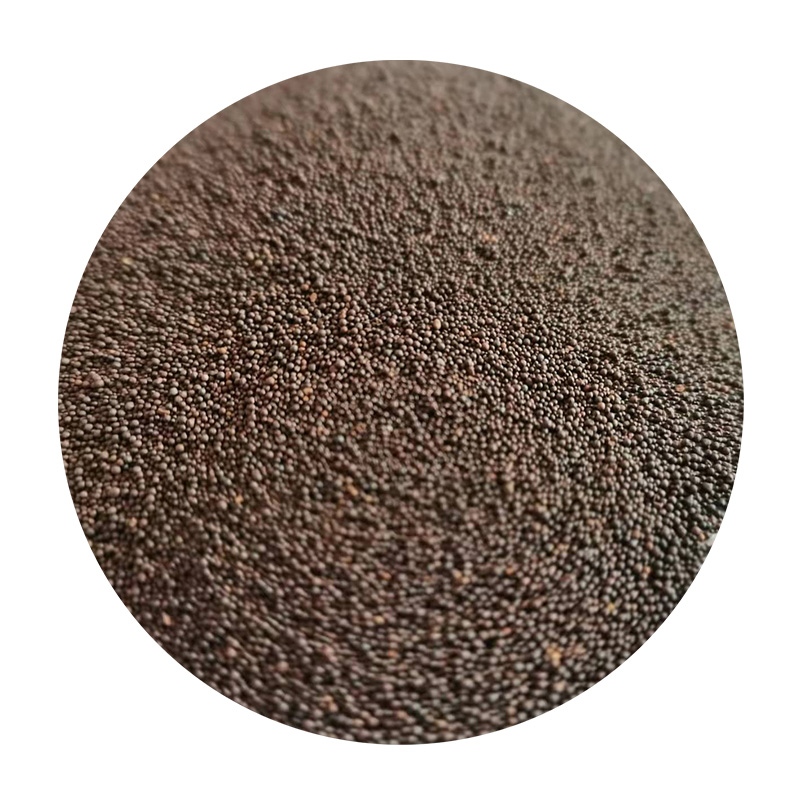
If you’ve walked a foundry floor lately, you’ve probably heard the buzz about ceramic media. To be honest, it’s not just hype. The Ceramic Sand for Lost Foam Casting from Shanghai (No.669 of Xinmiao Sanlu, Xinqiao Town, Songjiang Dist) keeps showing up in my notes—low energy use, minimal binder, and a 98% sand recovery rate. Many customers say their cleanup crews finally get to go home on time. Small thing? Maybe. But in production, small things roll up to big savings.
Industry snapshot and trends
- Binder-free, vacuum-assisted lost foam sand casting to cut emissions and rework.
- Shift from silica to ceramic or chromite media for thermal stability and surface finish.
- Automation plus in-line sand reclamation to hit sustainability targets (real-world use may vary).
Material/vendor comparison (typical values)
| Option | Refractoriness | Thermal expansion | Recovery rate | Notes |
|---|---|---|---|---|
| Ceramic Sand (Shanghai) | ≥1800°C | ≈0.02% @1000°C | ≈95–98% | Low dust, smooth finish; 1.0–1.5 kg/ton consumption |
| Generic Silica Supplier | ≈1700°C | ≈1.0–1.2% @1000°C | ≈85–90% | Inexpensive; more distortion risk |
| Imported Chromite Mix | ≥1900°C | ≈0.5–0.6% @1000°C | ≈90–95% | Good hot strength; heavier handling |
How the process runs, day-to-day
- EPS pattern production and QC; coat and dry.
- Flask setup, vibration fill with ceramic media; optional vacuum.
- Metal pour; foam evaporates; mold self-supports via media.
- Shakeout, screening, and reclamation—ceramic sand usually cycles 50–80 times, honestly more with gentle handling.
Testing touchpoints: sieve distribution (ASTM E11), thermal expansion (ASTM E831), LOI and dust index (AFS/ISO methods). For cast parts, NDT (UT or X-ray), hardness (ASTM E18), and surface roughness checks are common. That’s the rhythm of production-grade lost foam sand casting.
Product specs (typical, lot-to-lot may vary)
| Parameter | Ceramic Sand for Lost Foam Casting |
|---|---|
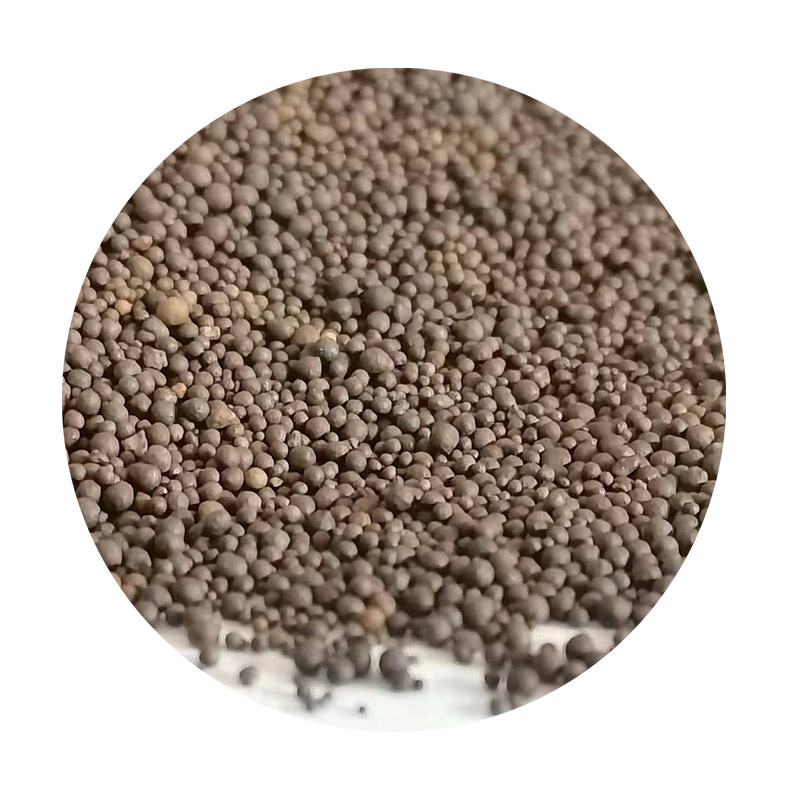
| Base material | Alumino-silicate, near-spherical |
| AFS grain fineness | ≈50–70 (30/50, 50/70 grades available) |
| Sphericity | ≥0.95 |
| Refractoriness | ≥1800°C |
| Thermal expansion | ≈0.02% @1000°C |
| Bulk density | ≈1.9–2.1 g/cm³ |
| LOI | ≤0.1% |
| Recovery/consumption | ≈98% recovery; ≈1.0–1.5 kg/ton of castings |
Applications, customization, and real feedback
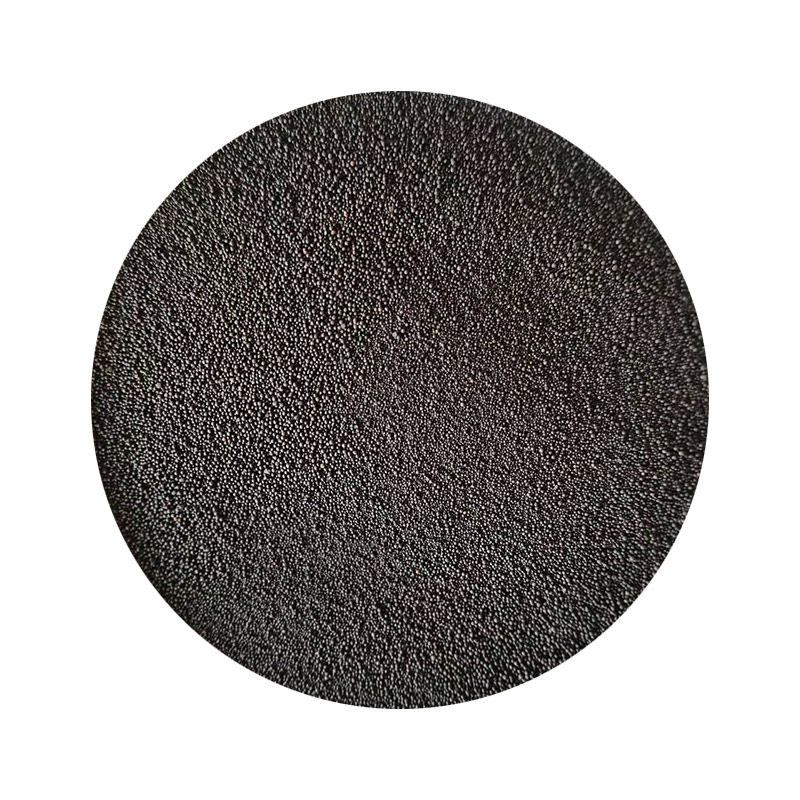
Use cases I see most: automotive knuckles, blocks, and brake calipers; compressor housings; pump/valve bodies; marine fittings; agricultural and general machinery. Custom options include tailored grain curves, pre-dried packaging, and coating compatibility checks. Packaging: big bags or sealed pallets for moisture control.
Customer notes: One Tier-1 reported a surface finish improvement to Ra ≈ 6.3–9.4 μm and a scrap drop from 4.2% to 1.1% after switching media in their lost foam sand casting cell. Another shop liked the quieter shakeout and… the lower power bill, surprisingly.
Mini case study
An aluminum drivetrain plant ran A356 housings with ceramic media, vacuum assist, and tighter vibration parameters. Results over 3 months: 18% cycle reduction on sand handling, 30–40 fewer burn-on defects per 10k parts, and media life past 70 cycles. Certifications on file included ISO 9001 and IATF 16949, with sand audits per ASTM/AFS protocols—exactly what purchasing wanted to see.
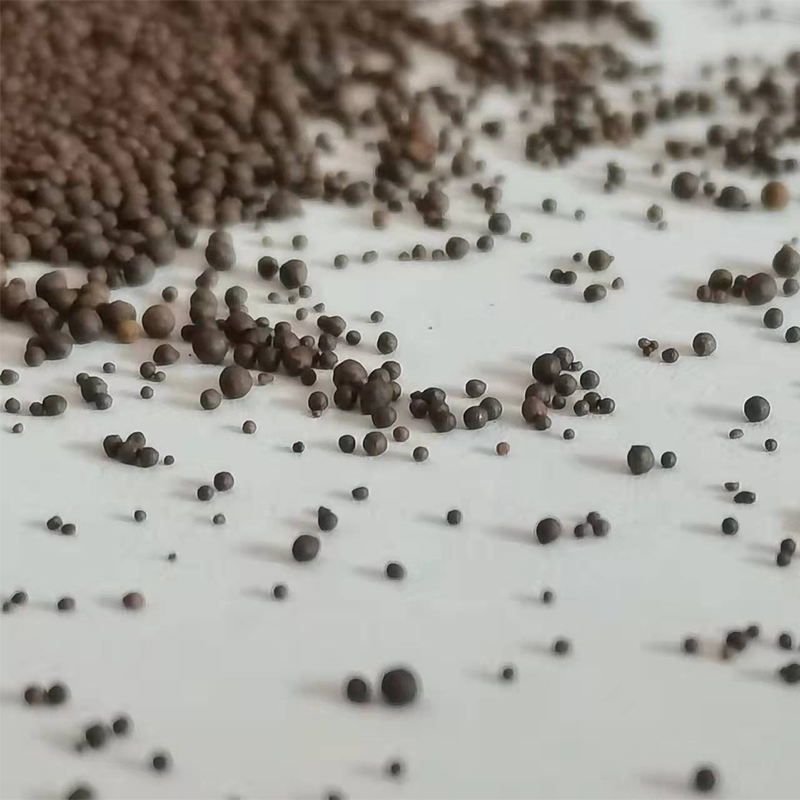
Bottom line: If you’re pushing lost foam sand casting to tighter tolerances with fewer emissions headaches, ceramic media from Shanghai’s Songjiang base is a solid, low-drama way to get there. And yes, the 98% recovery rate is as practical as it sounds.
Origin: No.669 of Xinmiao Sanlu, Xinqiao Town, Songjiang Dist, Shanghai.
References
- ASTM E11 – Standard Specification for Woven Wire Test Sieve Cloth and Test Sieves.
- ASTM E831 – Standard Test Method for Linear Thermal Expansion of Solid Materials by TMA.
- ASTM E18 – Standard Test Methods for Rockwell Hardness of Metallic Materials.
- AFS Mold & Core Test Handbook (latest edition), American Foundry Society.
- ISO 9001:2015 and IATF 16949:2016 Quality Management Standards for Automotive.
Next:High Refractoriness Ceramsite Sand for Steel Casting - Shenghuo New Material Technology Co., Ltd.|Improve Casting Quality&Reduce Production Costs