
Investment Casting vs. Sand Casting A Comparative Analysis
When it comes to metal casting methods, two of the most prominent techniques are investment casting and sand casting. Each has its own advantages and disadvantages, which can make the choice between them quite challenging for manufacturers. This article delves into the two methods, comparing their processes, costs, applications, and overall efficiency.
Investment Casting
Investment casting, often referred to as precision casting or lost-wax casting, is a method that utilizes a wax pattern covered with a ceramic shell. Once the shell is formed, the wax is melted away, leaving a cavity in the shape of the desired metal part. Molten metal is then poured into this cavity to create highly detailed and dimensionally accurate components.
One of the main advantages of investment casting is its ability to produce intricate shapes and fine details that may be difficult or impossible to achieve with other methods. This technique is favored for producing components where precision is critical, such as in aerospace, automotive, and medical applications. Additionally, the smooth surface finish reduces the need for extensive machining, saving time and cost in secondary processes.
However, investment casting does come with its drawbacks. The initial setup costs are higher due to the need for specialized equipment and mold creation. The process is generally slower than sand casting, making it less practical for high-volume production. Despite these limitations, the benefits of investment casting often outweigh the downsides, especially for small batches of complex parts.
Sand Casting
investment vs sand casting
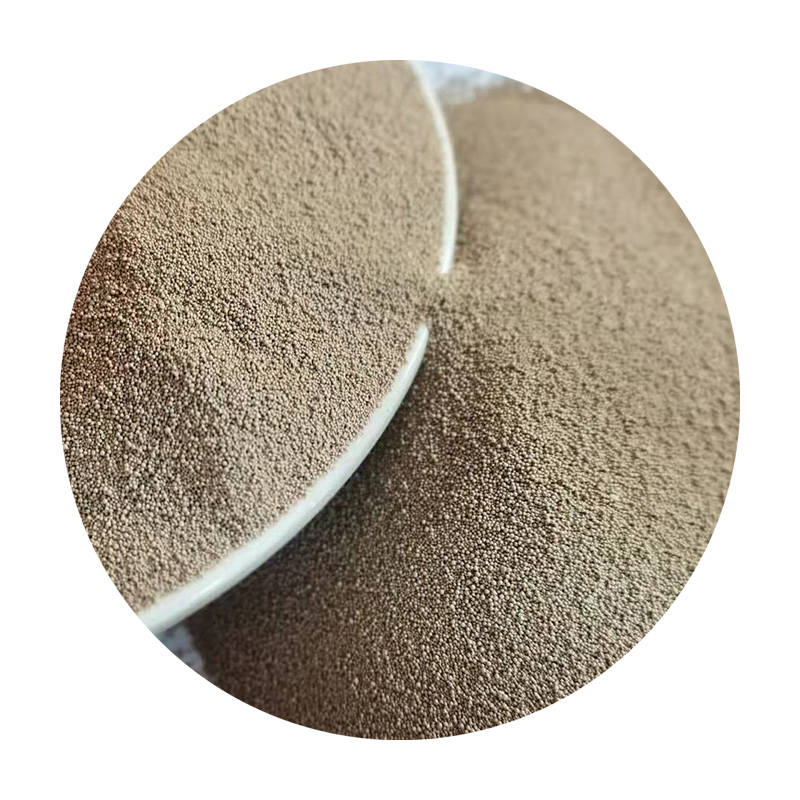
In contrast, sand casting is one of the oldest and most widely used casting methods. This process involves creating a mold from a mixture of sand and binder, which is shaped around a pattern of the desired object. Once the mold is prepared, molten metal is poured into the cavity, allowed to cool, and then the sand mold is broken away to reveal the cast part.
Sand casting is known for its flexibility and cost-effectiveness, particularly for large parts or when producing in higher quantities. The materials required for sand molds are relatively inexpensive, and the process can be executed quickly, making it ideal for prototyping and short-run production. Sand casting can accommodate a wider range of metals, making it a versatile option for various industries.
However, there are limits to the resolution and surface finish achievable with sand casting. The process tends to produce rougher surfaces and less intricate details compared to investment casting. Parts may require additional machining to meet tighter tolerances, adding to the overall manufacturing cost and time.
Cost Considerations
When evaluating investment casting versus sand casting from a cost perspective, it’s important to consider both initial setup and per-unit costs. Investment casting's precise nature often makes it more expensive upfront, but the reduction in secondary machining and the ability to create complex geometries can lower overall production costs in specialized applications. Sand casting, with its lower startup costs, is more economical for larger production runs of simpler parts but may incur higher costs for finishing.
Conclusion
Both investment casting and sand casting have unique benefits and constraints that make them suitable for different applications. Investment casting excels in producing intricate and precise components, making it ideal for industries that demand high accuracy and fine details. Sand casting, on the other hand, offers greater flexibility and lower initial costs for larger, simpler parts. Ultimately, the choice between these two techniques will depend on the specific needs of the project, including desired tolerances, production volume, and budget constraints. Manufacturers must weigh these factors carefully to determine the most suitable casting method for their production requirements.
Post time:Nov . 11, 2024 02:01
Next:High-Quality Metal Casting Sand Available for Purchase and Immediate Delivery