
How to Sand Ceramic A Step-by-Step Guide
Sanding ceramic is an essential process when it comes to achieving a smooth finish on pottery, tiles, or any ceramic surface. Whether you are preparing a piece for glazing or repairing an item, knowing how to sand ceramic correctly can make a significant difference. This guide will walk you through the necessary steps, tools, and techniques to effectively sand ceramic items.
Understanding the Basics of Ceramic
Ceramic materials are typically hard and brittle, making them challenging to work with. They can be made from various substances, including clay and porcelain, and they are often fired at high temperatures. The sanding process must be approached with care to avoid damaging the piece. It’s important first to ensure that the ceramic item is fully hardened and not in its greenware stage, as unglazed pieces can easily break or chip.
Tools and Materials Needed
Before you begin sanding, gather the appropriate tools and materials
- Sandpaper Use various grits, starting from coarser options (80-120 grit) for heavy material removal and finishing with finer grits (220-400 grit) for a smooth finish. - Sanding Sponge These are especially useful for curved or intricate designs. - Dust Mask and Safety Goggles Safety is crucial when sanding, as ceramic dust can be harmful if inhaled. - Water Spray Bottle This will help keep the surface damp, reducing dust and preventing the ceramic from overheating.
Step-by-Step Process
Step 1 Prepare Your Workspace
Start by setting up your workspace in a well-ventilated area. Lay down some old newspapers or a drop cloth to catch any dust and debris. Ensure that there are no distractions so you can focus on the task.
Step 2 Examine the Ceramic Piece
how to sand ceramic
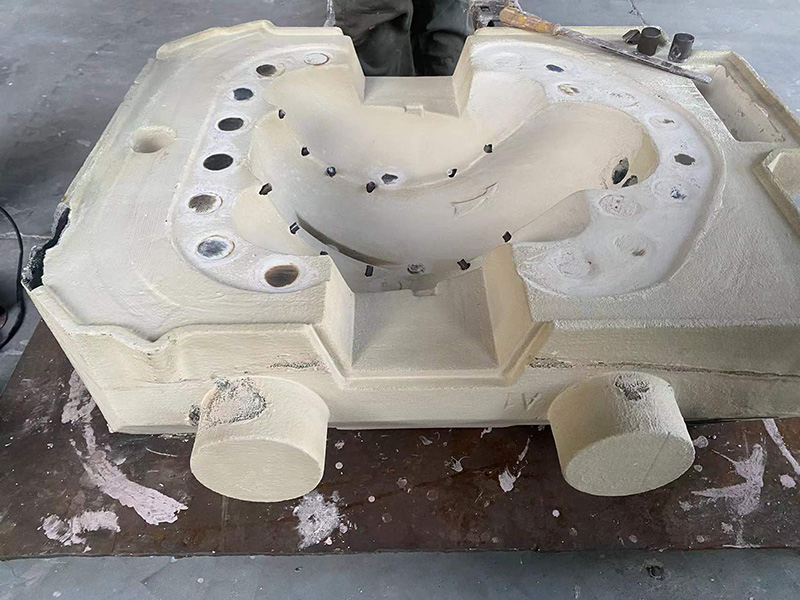
Look closely at the ceramic item you intend to sand. Identify areas that require smoothing or repair. If there are any significant imperfections, such as bumps or rough spots, you will need to address these first with coarser sandpaper.
Step 3 Start Sanding with Coarse Grit
Begin with your coarser grit sandpaper (80-120 grit). Gently sand the problem areas using circular motions or back-and-forth strokes. Be careful not to apply too much pressure, as this could cause cracking. Instead, let the grit do the work. Remember to frequently check your progress to avoid over-sanding.
Step 4 Switch to Finer Grit
Once the rough areas are smoothed out, transition to finer grit sandpaper (220-400 grit). This step is crucial for achieving a polished finish. Sand the entire surface gently, ensuring that all areas are equally treated. At this point, it’s advisable to use a light mist of water from your spray bottle to keep the surface moist, which minimizes dust and helps in achieving a finer finish.
Step 5 Clean the Surface
After sanding, take a clean, damp cloth to wipe away any dust or residues left from the sanding process. Ensure the piece is completely dry before proceeding to the next step, such as glazing or painting.
Step 6 Final Touches
Inspect the ceramic piece one last time. If needed, repeat the sanding process with finer grit until you reach the desired smoothness. This stage is often where the quality of your work truly shows, so take your time to achieve perfection.
Conclusion
Sanding ceramic may seem daunting at first, but with the right tools and techniques, it can be a rewarding process. By following these steps, you can achieve a beautifully smooth surface that enhances the overall appearance of your ceramic items. Always prioritize safety and patience, and remember to enjoy the process of transforming your ceramic pieces. Happy sanding!
Post time:Nov . 09, 2024 17:32
Next:Optimizing Surface Finish on Cast Iron Through Effective Sanding Techniques