
Introduction: Understanding sintered sand in Modern Foundry & Industrial Processes
In the evolving landscape of advanced material science, sintered sand and sand sintering stand out as transformative technologies for the foundry, casting, and related industries. With increasing demands for precision, efficiency, and environmental sustainability, engineered sands like
sintered sand are reshaping how cores and molds are produced.
This article explores the latest industry trends, cutting-edge technical parameters, prominent application domains, and the innovative product solutions offered by Shenghuo New Material Technology Co., Ltd..
Company: Shenghuo New Material Technology Co., Ltd.
Email: shenghuo@sinoceramsite.com
Phone: +86 18603200690
Address: No.669 of Xinmiao Sanlu, Xinqiao Town, Songjiang Dist, Shanghai.
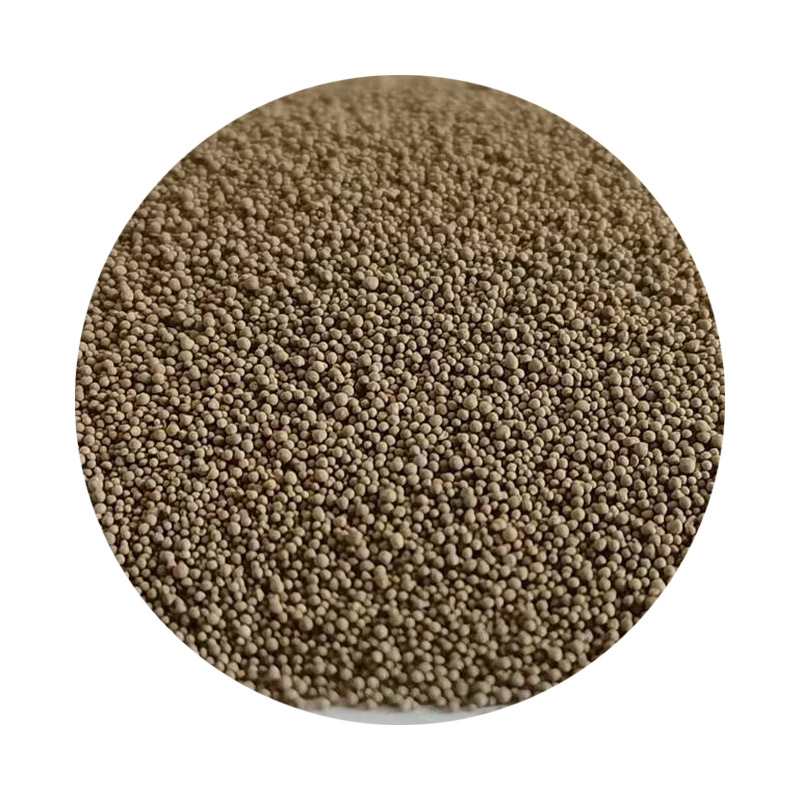
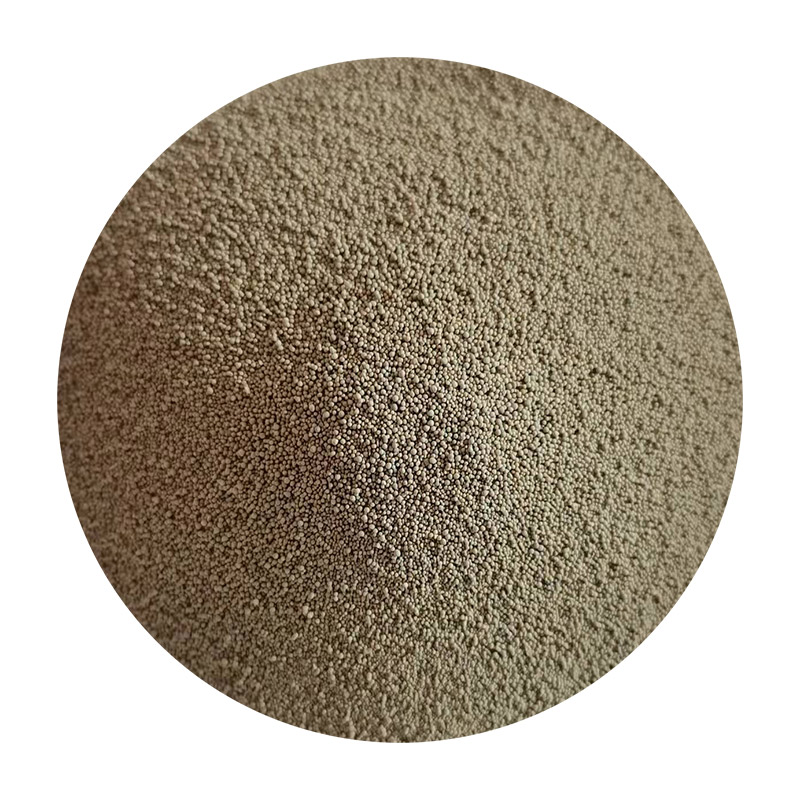
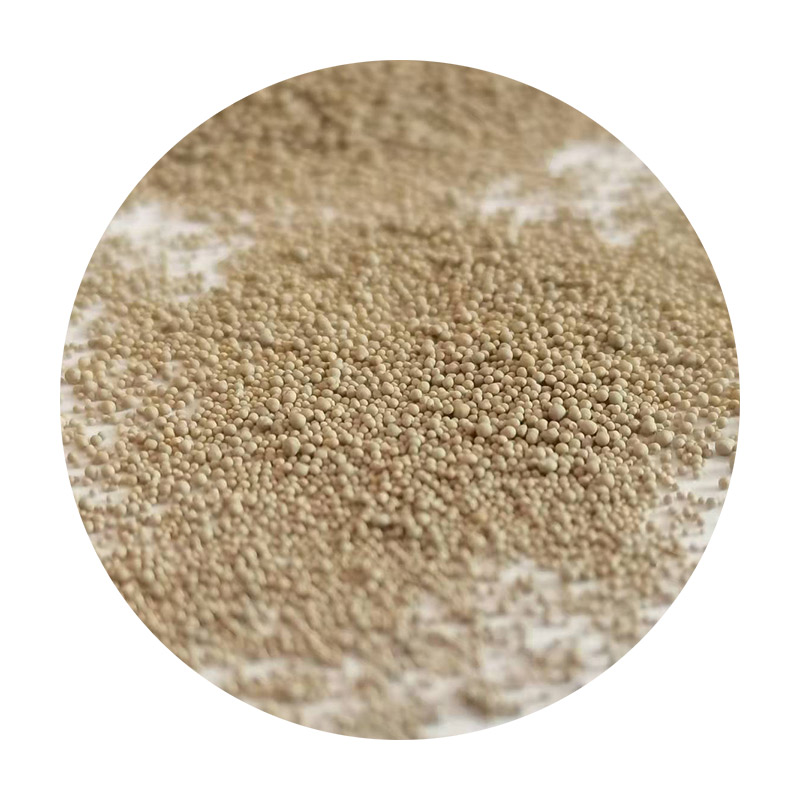
What is sintered sand & How Does Sand Sintering Work?
Sintered sand refers to artificial sand grains manufactured through high-temperature sintering of selected raw materials (such as high-purity bauxite, kaolin, or alumina). The sintering process densifies and hardens the grains, resulting in controllable physical and chemical properties that surpass those of conventional silica sand.
Sand sintering typically involves:
- High-temperature treatment (1300°C – 1700°C) of precursor materials
- Grain size and sphericity control for optimal flowability and strength
- Chemical stabilization for reduced reactivity and increased durability
Product Spotlight: Sintered ceramic sand for foundry with cold core box
Short Description:
The sintered sand supplied by Shenghuo New Material adopts the cold box method – an advanced process where resin sand is catalyzed/hardened by gaseous agents at room temperature for rapid core and mold production.
Most commonly, the triethylamine process, using phenolic-urethane resin, is adopted. It offers long core sand usability, short mold-drawing time, high production efficiency, and significantly reduced energy consumption compared to traditional hot-box methods.
Key Features:
- High thermal stability & sphericity
- Superior permeability & collapsibility
- Low gas emission, minimal blowhole formation
- Efficiency in cold core box processes
- Reusability and reduced consumption
Typical Applications:
- Automobile engine and cylinder head core making
- Precision casting for hydraulic parts
- Steel casting molds with complex geometries
- 3D sand printing and prototyping
Industry Trends: The Rising Importance of sintered sand for Foundries & Beyond
The global foundry industry is witnessing a paradigm shift toward engineered sands. According to International Journal of Metalcasting, new-generation ceramic and sintered sand types significantly reduce casting defects, lower total emissions, and offer better recycling characteristics.
Key drivers reshaping this sector include:
- Tightening environmental regulations (VOC/GHG limits)
- Advanced automotive designs requiring superior casting accuracy
- Automation and digitalization of foundry production lines
- Growth of 3D printed sand molds and rapid prototyping
Sintered Sand Technical Parameter Table (Global Comparative Data)
| Parameter | Typical Value (Sintered Sand) | Typical Value (Natural Silica Sand) | Unit |
|---|---|---|---|
| Bulk Density | 1.45–1.55 | 1.55–1.65 | g/cm3 |
| A.F.S. Fineness | 70–95 | 45–80 | A.F.S. Number |
| Thermal Expansion (20–1000°C) | 0.13–0.16 | 0.32–0.40 | % |
| Angle of Repose | 26–28 | 29–32 | Degree |
| Refractoriness | >1800 | ≃1500 | °C |
| sphericity | ≥0.95 | 0.70–0.82 | [0–1] |
| Acid Demand Value (ADV) | <1.0 | 2.5–4.5 | mg/100g |
| Solubility (Water) | <0.02 | 0.04–0.11 | % |
Product Technical Data Visualization: Sintered ceramic sand for foundry with cold core box
Comparison: Sintered Sand vs. Silica Sand
Particle Distribution Pie
Cold Box Tech Parameters Trend
Application Scenarios for sintered sand & Sand Sintering
- Automotive Foundries: Superior core and mold performance for cylinder head, gearbox and EV motor casings.
- General Engineering: High-complexity mold production for pumps, valves, and industrial machinery.
- 3D Printed Cores: Enhanced precision and low expansion in additive manufacturing.
- Large Steel/Heavy Casting: Exceptional refractoriness and stability under extreme temperatures.
- Prototyping: Flexible, repeatable, and cost-efficient small batch mold making.
FAQ: Professional Terms for sintered sand & Sand Sintering
Why Choose Shenghuo New Material's sintered sand Solutions?
- Industry-leading R&D: Years of specialized ceramic sand research with continuous product innovation
- Authoritative Quality: Extensive in-house and third-party testing, ensuring compliance with international sand standards
- Trusted by Global Partners: Supplying major automotive, engineering, and aerospace foundries worldwide
- Full-cycle Support: Technical consultation on foundry process optimization, sand selection, and reclaiming
Visit: Product Details
Email: shenghuo@sinoceramsite.com | Phone: +86 18603200690
Conclusion: The Future of sintered sand & Sand Sintering Technologies
As industries press for greater efficiency, environmental performance, and precision, sintered sand and sand sintering technologies are becoming foundational to high-performance foundry operations. Integrating Shenghuo New Material Technology Co., Ltd.'s advanced ceramic sand products unlocks new productivity, quality, and sustainability levels.
Keep pace with the evolution—explore the benefits and proven applications of sintered sand today.
1. International Journal of Metalcasting, Engineered Sand in Modern Foundry (Springer)
2. Sand Sintering Technology Forum (Foundry Planet)
3. Performance Comparison and Environmental Aspects of Sintered vs. Silica Sand (ScienceDirect)
4. Ceramic Sand in Cold Box Process: Technical Parameters and Application Overview (Journal of European Ceramic Society)
Next:High-Quality Ceramsite for Precision Casting & Filtration Solutions