
In the era of advanced manufacturing and high-performance casting, spherical sand is redefining material science and foundry processes. As demands rise for uniformity, high refractoriness, and superior durability—compared to traditional silica sand—solutions such as ceramic sand, sand ceramic, sanding ceramic, and ceramic sanding discs are dramatically altering the landscape of precision casting, additive manufacturing, surface finishing, and other high-value industries.
Official Website
Email: shenghuo@sinoceramsite.com
Phone: +86 18603200690
Address: No.669 of Xinmiao Sanlu, Xinqiao Town, Songjiang Dist, Shanghai.
1. Industry Trends: The Rising Importance of Spherical Sand
The global foundry and abrasive markets have rapidly moved towards artificial, high-spec sands such as spherical sand made from sintered bauxite (often termed ceramic sand or ceramsite). Demand is boosted by mega-trends in automotive lightweighting, process automation, sustainability (due to sand scarcity), and stricter casting tolerances.
Emerging applications now span:
- Precision investment casting and lost foam casting
- 3D sand printing (binder jetting)
- Core and mold manufacturing for complex engine blocks, aerospace, and railway industries
- Abrasive tools: ceramic sanding discs, sanding ceramic, and ceramic sanding
- Architectural ceramics and special surface finishing (including heath ceramics sand and sanding glazed ceramics)
2. Product Spotlight: Spherical Ceramic Sand for Foundry
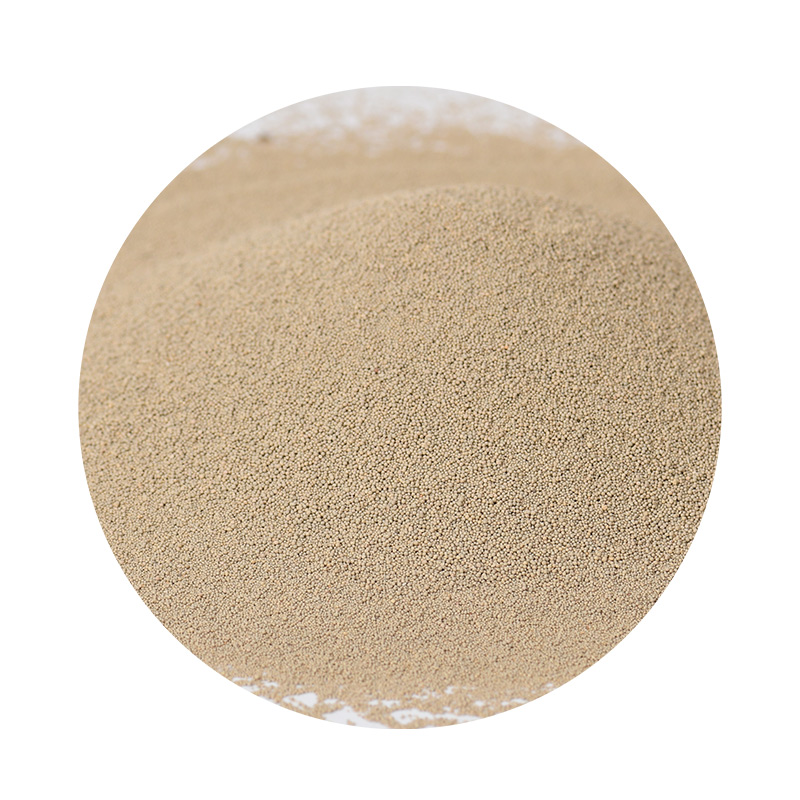
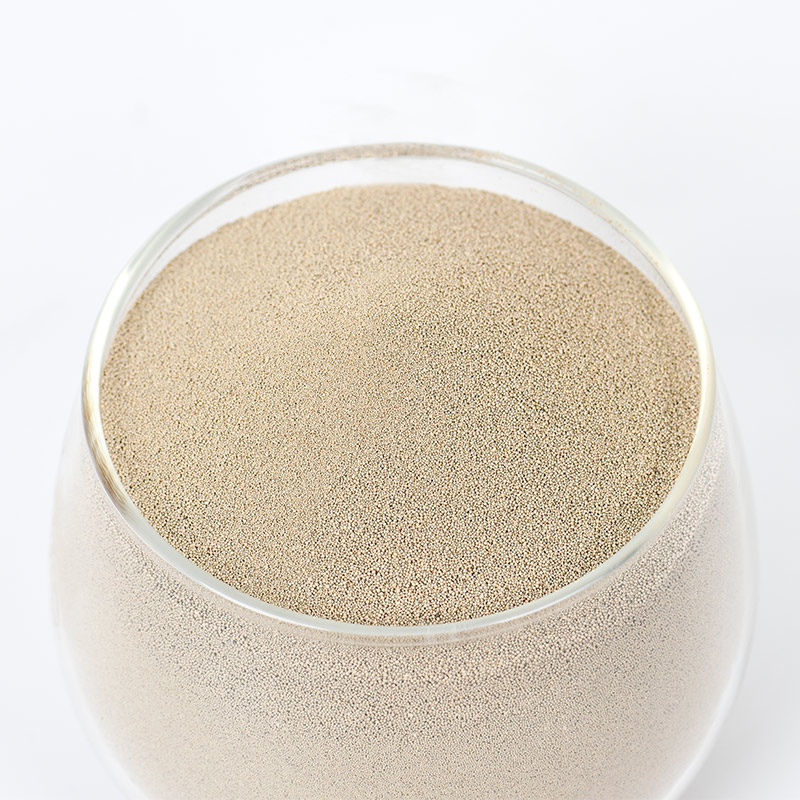
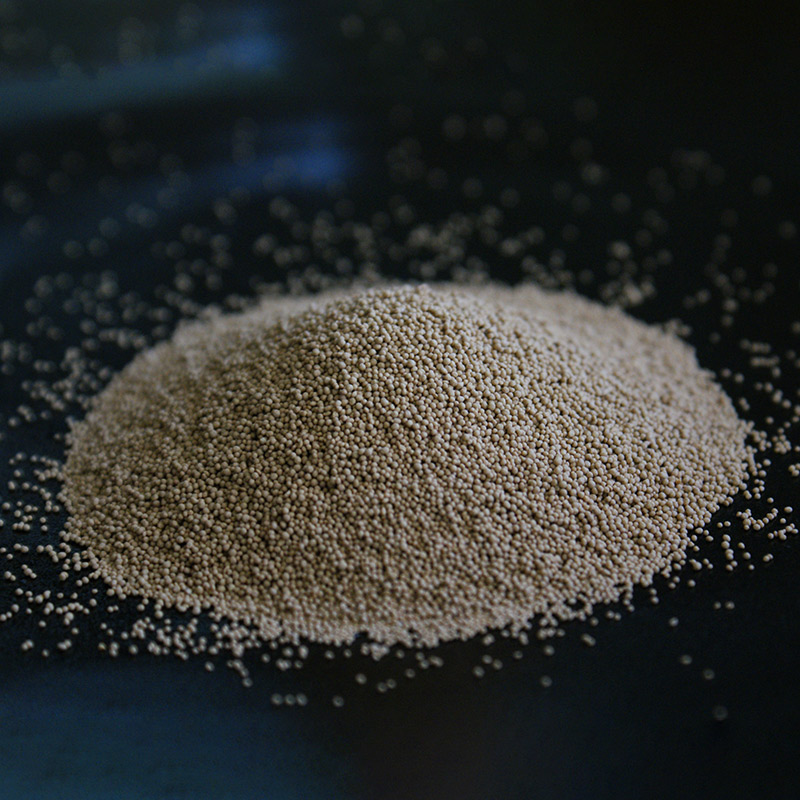
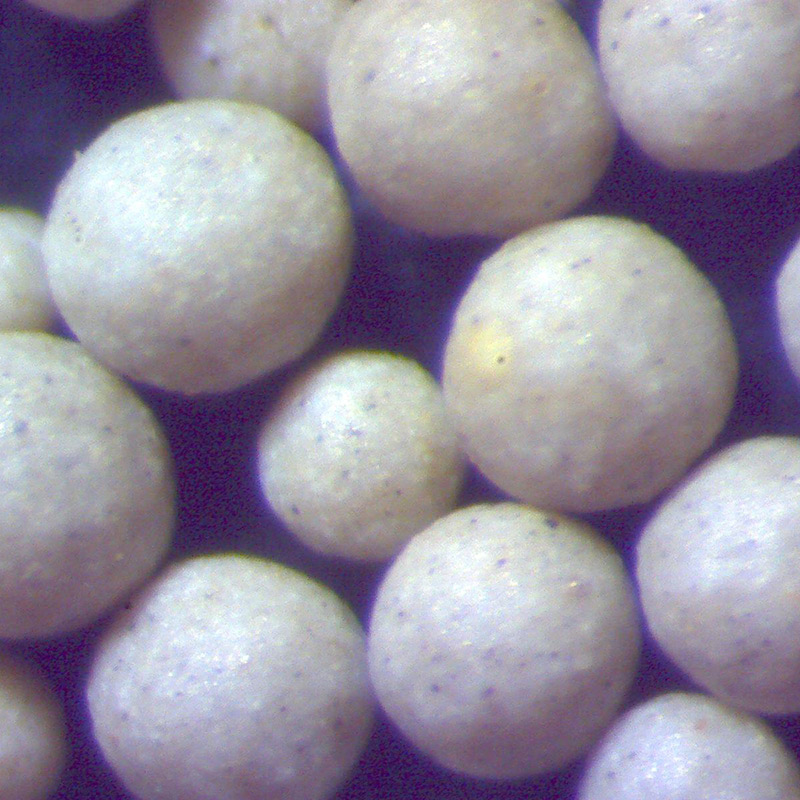
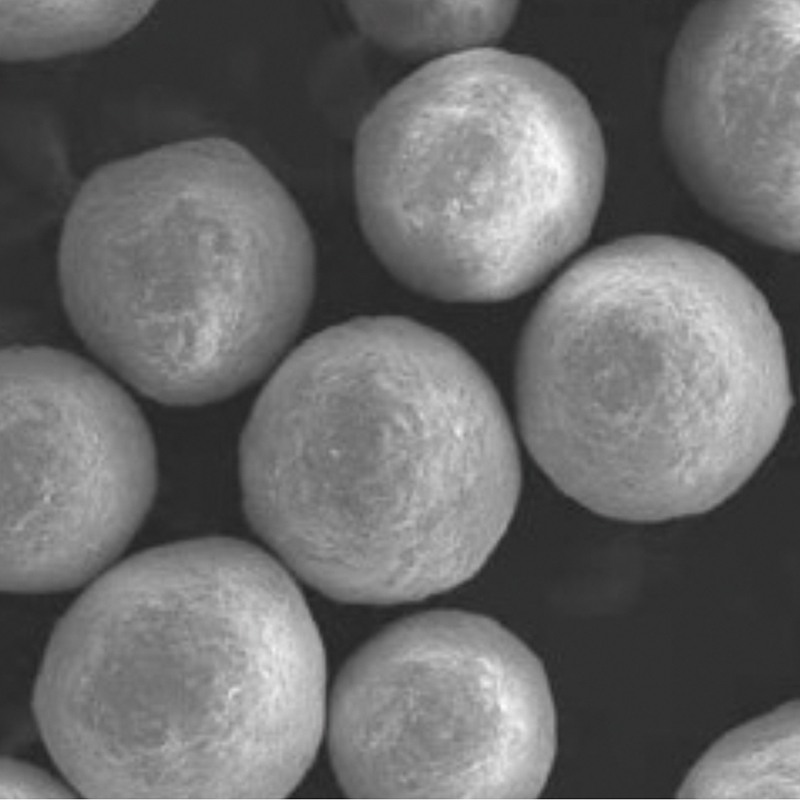
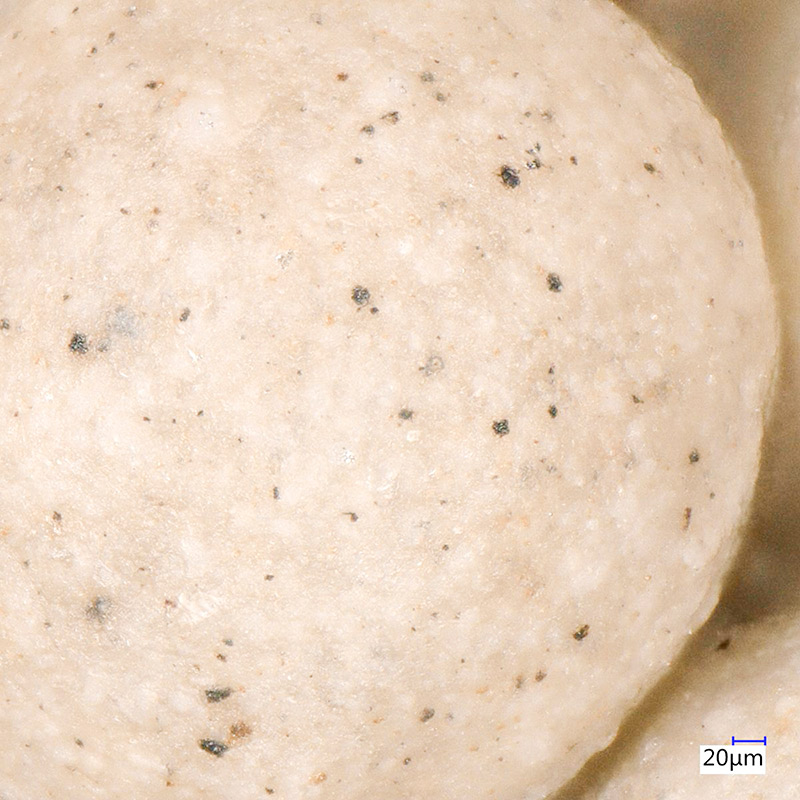
Short Description: Spherical Ceramic Sand for Foundry (also known as Sintered Ceramic Sand for Foundry, ceramsite, or ceramcast) is a premium, artificial sand with a highly uniform, spherical grain shape made from calcined bauxite. It mainly comprises aluminum oxide (Al₂O₃) and silicon oxide (SiO₂) and is engineered for exceptional performance in molding and core applications.
- High refractoriness (≥1800°C), low thermal expansion, and minimal angular coefficient
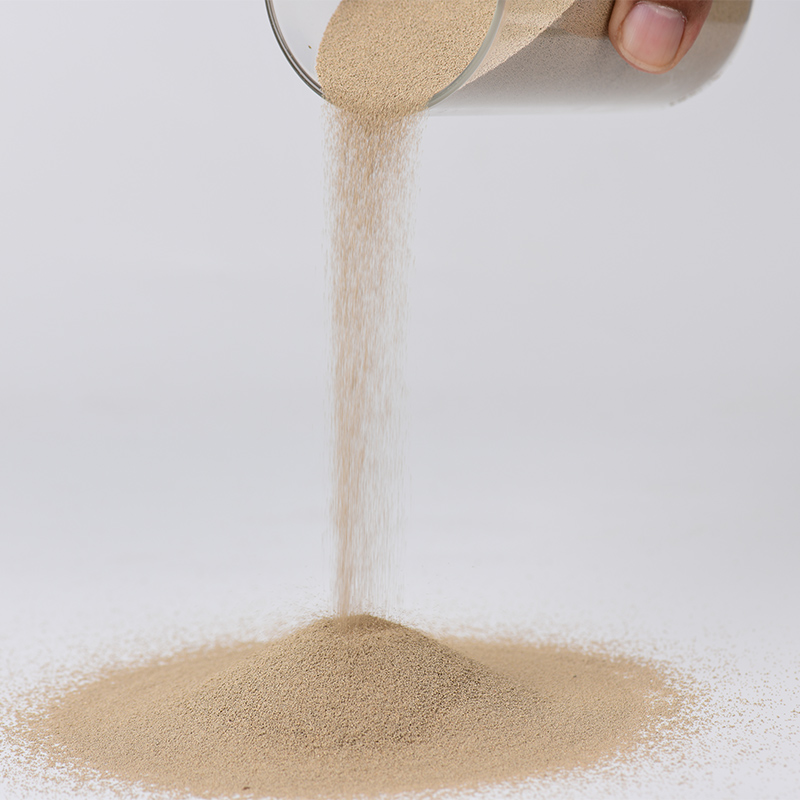
- Outstanding flowability and filling behavior
- Superior resistance to wear, crushing, and thermal shock
- Over 85% reclamation rate (excellent recyclability)
- Consistent sizing, benefiting additive manufacturing and precision casting
3. Key Parameters of Spherical Sand: Table Overview
| Parameter | Typical Value | Unit | Comments |
|---|---|---|---|
| Particle Shape | Spherical | - | Artificially granulated, uniform |
| Main Composition | Al₂O₃: 65-75%, SiO₂: 15-25% | % | Enhanced stability |
| Refractoriness | ≥1800 | °C | Superior to silica sand (≤1700°C) |
| Thermal Expansion | < 0.15 | % (1000°C) | Minimizes casting defects |
| Crush Resistance | ≥40 | MPa | Durable and robust |
| Reclamation Rate | 85-95 | % | High recyclability |
| Typical Size Range | 0.053 - 2.00 | mm | Flexible for varied foundry needs |
4. Data Visualization: Spherical Sand Technical Trends
5. Deep Dive: Application Scenarios of Spherical Sand and Ceramic Sand
- High-Precision Foundries: Used as molding and core sand for complex components in automotive, railway, and aviation industry.
- Additive Manufacturing: Key in 3D sand printing (binder jetting) for rapid prototyping and small-batch manufacturing.
- Abrasive Tools: Forms the backbone of ceramic sanding discs, widely used in metal finishing, woodworking, and composite material processing. Also crucial for sanding ceramic and ceramic sanding.
- Architectural Ceramics & Glazing: Ensures surface consistency in tiles, pottery, and decorative ceramics (e.g., heath ceramics sand and sanding glazed ceramics).
- Refractory Industry: Suitable for producing high-durability shapes and bricks for high-temperature furnaces.
- Environmental Attributes: High reclamation rate minimizes waste, compatible with closed-loop sand systems and green manufacturing protocols.
The benefits over traditional sand include enhanced dimensional control, improved surface finish, increased casting yields, and significant reductions in casting defects such as veining, gas holes, and penetration.
6. EEAT-Boosted Authority: Why Choose Shenghuo New Material Technology Co., Ltd.?
Shenghuo New Material Technology Co., Ltd. stands at the forefront of spherical sand innovation, supplying quality-assured Spherical Ceramic Sand for Foundry worldwide. With a rigorous R&D team, in-house QC labs, and decades of field experience, Shenghuo guarantees product traceability, batch-to-batch consistency, and compliance to global standards (ISO, ASTM, JIS).
- Major supplier to top-tier automotive, aerospace, and engineering foundries
- Adopted in over 40 countries; compatible with leading binder systems (furan, phenolic, sodium silicate, PU-CO₂, etc.)
- Members/Sources: Foundry-Planet.com, ScienceDirect: Ceramic Sand Overview
For procurement or technical inquiries, connect via our listed contact details or email shenghuo@sinoceramsite.com.
7. Professional FAQ: About Spherical Sand and Ceramic Sand
A1: Spherical ceramic sand is primarily produced from calcined bauxite, resulting in a high Al₂O₃ (alumina) and SiO₂ (silica) content, ensuring superior refractoriness and mechanical strength.
A2: The available particle sizes range from 0.053mm up to 2.0mm, with common grades customized to application (e.g., AFS 30-65 for core making, AFS 50-75 for general molding).
A3: Our products comply with ISO 12988, ASTM E2349, JIS G5903, ensuring international compatibility and process interoperability.
A4: Due to its superior crush strength and spherical morphology, reclamation rates exceed 90%, reducing new raw material costs and minimizing environmental footprint.
A5: Yes, ceramic sanding discs and other abrasives benefit from spherical ceramic sand's hardness and stability, greatly improving tool life and surface finish quality.
A6: Ceramic sand offers higher refractoriness, lower thermal expansion, improved recyclability, and fewer casting defects compared to silica sand. (See comparative chart above.)
A7: Certainly. Shaped grain size, composition, and surface treatments can be engineered for binder jetting, sanding glazed ceramics, and other specialty uses.
8. Summary: The Future of Spherical Sand, Supported by Industry Authority
As manufacturing embraces greater complexity, the role of high-performance casting media like spherical sand only intensifies. Its properties far exceed those of conventional sands, ensuring higher yields and safer, greener foundry operations.
For the most current insights, innovation case studies, and in-depth technical data on spherical sand and related products, reference authoritative industry sources:
- ScienceDirect – Ceramic Sand: Materials Science Topics
- Foundry-Planet.com – Global Industry News
- WFO – World Foundry Organization: Technical Papers
- MDPI Materials Journal – Journal of Materials Research
- ResearchGate – Ceramic Sand: Alternative Foundry Material Review
For further guidance or purchase, visit Shenghuo New Material Technology Co., Ltd. — your trusted expert partner in spherical sand for progressive manufacturing.
Next:High-Quality Sand Casting Metal Solutions for Steel and Iron Parts