
The Evolution of Precision Casting: Why High-Performance casting sand for sale is Critical
The global manufacturing landscape demands increasingly precise, durable, and cost-effective components. In this environment, the quality of raw materials, particularly metal casting sand for sale, plays a pivotal role. Traditional silica sands often fall short of modern engineering requirements, leading to demand for advanced alternatives. Industry trends highlight a significant shift towards ceramic sands due to their superior thermal stability, low expansion, and exceptional surface finish capabilities, which directly impact the final product quality and manufacturing efficiency.
Manufacturers are constantly seeking ways to reduce defects, optimize energy consumption, and extend the service life of their molds. This drive has accelerated the adoption of specialized sand casting sand types like Ceramcast sand, which offer a compelling balance of technical performance and economic viability. The focus is on materials that can withstand higher pouring temperatures, minimize thermal expansion-related defects, and facilitate intricate geometries without compromising mold integrity.
Understanding the nuanced characteristics of different types of sand used in sand casting is paramount for foundries aiming for competitive advantage. The market for high-performance casting sand is growing, driven by innovations in automotive, aerospace, heavy machinery, and defense industries, where component reliability is non-negotiable. This article delves into the technical specifics of advanced ceramic sands, particularly Ceramcast sand ball shape, showcasing its advantages and application breadth.
Ceramcast Sand Ball Shape: A Technical Overview for Advanced Sand Casting
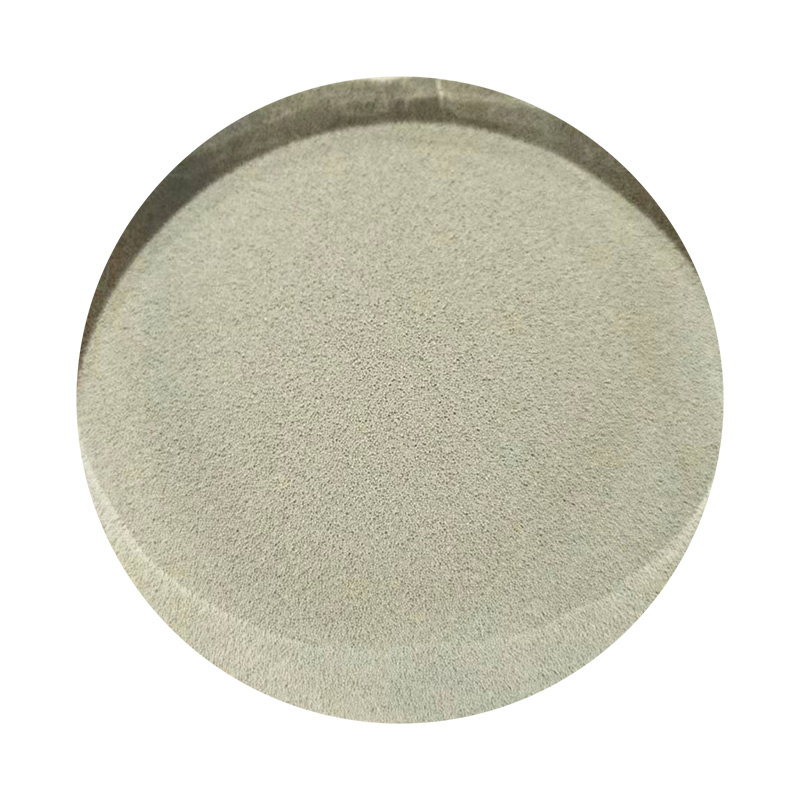
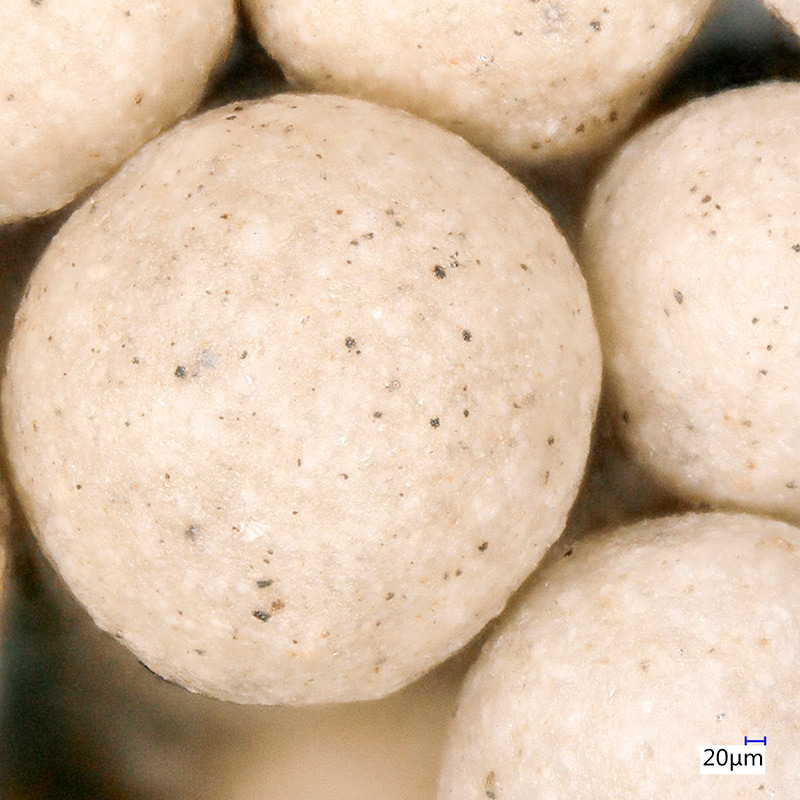
Ceramcast sand, specifically its ball shape variant, represents a significant advancement in refractory materials for precision sand casting. Developed as a high-performance alternative to traditional silica, chromite, and zircon sands, Ceramcast is engineered from selected bauxite, subjected to an intricate manufacturing process to achieve its unique properties. Its spherical grain shape is a critical feature, enhancing flowability and reducing binder consumption, while its inherent refractoriness ensures exceptional thermal stability under extreme casting conditions.
This advanced ceramic proppant is designed to meet the rigorous demands of modern foundries, offering solutions to common challenges such as veining, scabbing, and surface roughness. The consistent particle size distribution and high sphericity contribute to a dense mold packing, leading to superior dimensional accuracy and a smoother surface finish for the cast components. This directly translates to reduced post-casting machining and finishing costs, offering a tangible return on investment for foundries utilizing Ceramcast for their metal casting sand needs.
Target industries benefiting from Ceramcast sand include petrochemical (valves, pump housings), metallurgy (steel and iron castings), automotive (engine blocks, transmission cases), and general machinery. Its service life is exceptionally long due to its robust physical and chemical properties, allowing for high recyclability within the foundry system, which further improves the overall sand casting price efficiency.
Manufacturing Process Flow of Ceramcast Sand Ball Shape
The production of Ceramcast sand ball shape involves a carefully controlled, multi-stage process to ensure consistent quality and superior performance:
1. Raw Material Selection & Preparation
High-purity bauxite ore is meticulously selected for its Al2O3 content and low impurity levels. This raw material undergoes initial crushing and grinding to achieve a specific particle size distribution suitable for the subsequent processing stages. Strict incoming quality control ensures material consistency.
2. Granulation & Shaping
The prepared bauxite powder is then mixed with specific binders and carefully granulated in specialized equipment to form spherical pellets. This stage is crucial for achieving the characteristic ball shape and initial mechanical strength, which are vital for mold packing density and flowability.
3. High-Temperature Sintering
The green pellets are subjected to high-temperature sintering in rotary kilns, typically exceeding 1500°C. This process densifies the material, eliminates volatiles, and transforms the bauxite into a robust ceramic structure with exceptionally high refractoriness and chemical inertness. Precise temperature control is critical here.
4. Screening & Classification
After cooling, the sintered sand is screened and classified into precise grain size distributions (e.g., AFS GFN values). This ensures uniformity, which is vital for consistent mold permeability and surface finish. Oversized or undersized particles are removed or re-processed.
5. Quality Control & Packaging
Every batch undergoes rigorous quality control testing in accordance with international standards (e.g., ISO 9001, ANSI/AFS standards). Parameters like AFS GFN, sphericity, bulk density, refractoriness, and chemical composition are verified. The finished Ceramcast sand is then packaged for distribution, ready for foundries looking for premium casting sand for sale.
Technical Specifications and Performance Parameters
Ceramcast sand ball shape is characterized by a unique set of technical parameters that differentiate it from other types of sand casting materials. These specifications are crucial for foundry engineers to evaluate its suitability for specific casting applications and to optimize mold design and binder systems.
| Parameter | Unit | Typical Value | Significance for Casting |
|---|---|---|---|
| AFS GFN (Grain Fineness Number) | AFS | 40-70 (variable) | Indicates particle size; affects surface finish and permeability. |
| Refractoriness | °C | >1790 | Resistance to high temperatures; prevents fusion/penetration. |
| True Specific Gravity | g/cm³ | 3.2-3.6 | Relates to material density and strength. |
| Bulk Density | g/cm³ | 1.8-2.1 | Influences mold compaction and weight. |
| Coefficient of Thermal Expansion | x 10⁻⁶/°C | 4.5-5.5 | Low expansion reduces defects like scabbing and veining. |
| Sphericity | % | >0.9 | Excellent flowability, reduced binder usage, better mold density. |
| Acid Demand Value (ADV) | mL (0.1N NaOH) | <5 | Low ADV indicates less binder consumption and improved curing. |
| Al₂O₃ Content | % | 75-80 | Primary component contributing to refractoriness and strength. |
| SiO₂ Content | % | 15-20 | Secondary component influencing thermal properties. |
| Fe₂O₃ Content | % | <1.0 | Low iron content prevents metallurgical reactions and staining. |
These robust specifications underpin the superior performance of Ceramcast sand in various types of sand casting process, offering foundries a consistent and reliable material for high-quality metal components.
Technical Advantages and Performance Benefits
The distinct properties of Ceramcast sand translate into significant technical advantages over conventional sands, directly impacting foundry operations and the quality of finished castings:
- ✓ Superior Refractoriness & Thermal Stability: With a melting point exceeding 1790°C, Ceramcast sand resists metal penetration and burn-on, even with high-temperature alloys like steel and specialty irons. This ensures clean casting surfaces and reduces the need for extensive post-casting cleaning.
- ✓ Low Thermal Expansion: The coefficient of thermal expansion is significantly lower than silica sand, minimizing thermal stress in the mold. This effectively prevents defects such as veining, scabbing, and rat tails, which are common causes of scrap and rework in foundries.
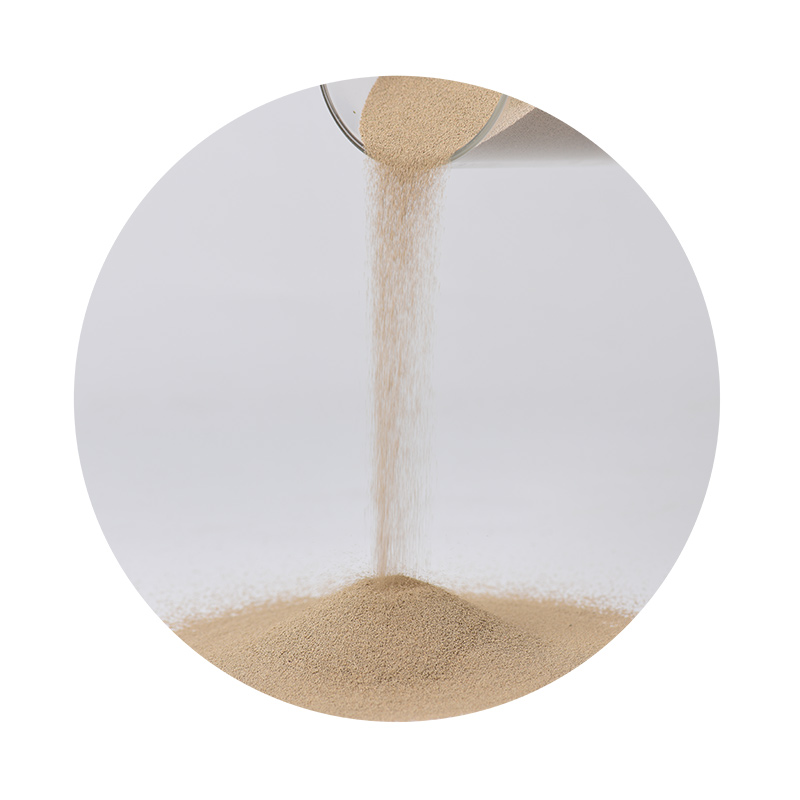
- ✓ Excellent Flowability & High Density: The perfectly spherical grain shape allows for exceptional flowability during mold compaction, creating highly dense and uniform molds. This leads to superior dimensional accuracy and finer detail reproduction in complex castings.
- ✓ Reduced Binder Consumption: Due to its low ADV and smooth spherical surface, Ceramcast sand requires less binder to achieve optimal mold strength. This translates directly to material cost savings and reduced gas evolution during pouring, contributing to better air quality in the foundry.
- ✓ Improved Surface Finish: The fine, spherical grains of Ceramcast contribute to an exceptionally smooth surface finish on cast components, often eliminating or significantly reducing subsequent machining and grinding operations.
- ✓ High Recyclability: Its robust, non-friable nature ensures excellent resistance to attrition, allowing for extended use and high reclamation rates within the sand system. This reduces waste disposal costs and raw material procurement, enhancing the environmental profile of the foundry.
- ✓ Environmental Benefits: Being a chemically inert material with low silica content (avoiding silicosis risks) and high recyclability, Ceramcast aligns with modern environmental stewardship principles.
These comprehensive advantages make Ceramcast sand an optimal choice for foundries prioritizing high-quality output, operational efficiency, and cost-effectiveness in their pursuit of advanced casting sand for sale solutions.
Application Scenarios and Case Studies
Ceramcast sand's versatility and superior performance make it ideal for a wide range of demanding casting applications where precision and reliability are paramount. Its use extends across various sectors, improving both the quality of cast parts and the overall efficiency of the foundry process.
Typical Application Scenarios:
- Automotive Industry: Production of complex engine blocks, cylinder heads, transmission casings, and brake components, where dimensional accuracy and smooth internal passages are critical.
- Aerospace Components: Manufacturing of high-strength, lightweight parts for aircraft engines and structural components, demanding exceptional surface finish and integrity.
- Heavy Machinery: Casting of large, intricate parts for construction equipment, agricultural machinery, and industrial pumps/valves, requiring robust performance under extreme conditions.
- Petrochemical & Energy: Production of high-pressure valves, impellers, and pump bodies resistant to corrosion and high temperatures.
- Investment Casting Backup: As a superior alternative to traditional refractory aggregates in investment casting, offering better thermal shock resistance and lower costs.
Illustrative Case Studies:
Case Study 1: Automotive Engine Block Production
A leading automotive foundry faced persistent issues with veining and surface roughness on complex aluminum engine blocks using conventional silica sand. Implementing Ceramcast sand for core production resulted in a 25% reduction in casting defects directly attributable to thermal expansion issues. The improved surface finish also led to a 10% decrease in post-casting machining time, significantly impacting production costs and throughput. Customer feedback highlighted the exceptional dimensional stability of the final components.
Case Study 2: High-Pressure Valve Bodies for Petrochemical Sector
A foundry specializing in stainless steel valve bodies encountered challenges with metal penetration and burn-on, especially in intricate core sections. Switching to Ceramcast sand cores eliminated nearly all penetration defects, drastically reducing rework and improving overall casting quality. The high refractoriness of Ceramcast proved indispensable for handling high-temperature alloys, leading to a 15% increase in first-pass yield and improved compliance with stringent industry standards like ISO 14001 for environmental management due to higher recyclability of the sand.
Vendor Comparison: Ceramcast vs. Traditional Sand Types
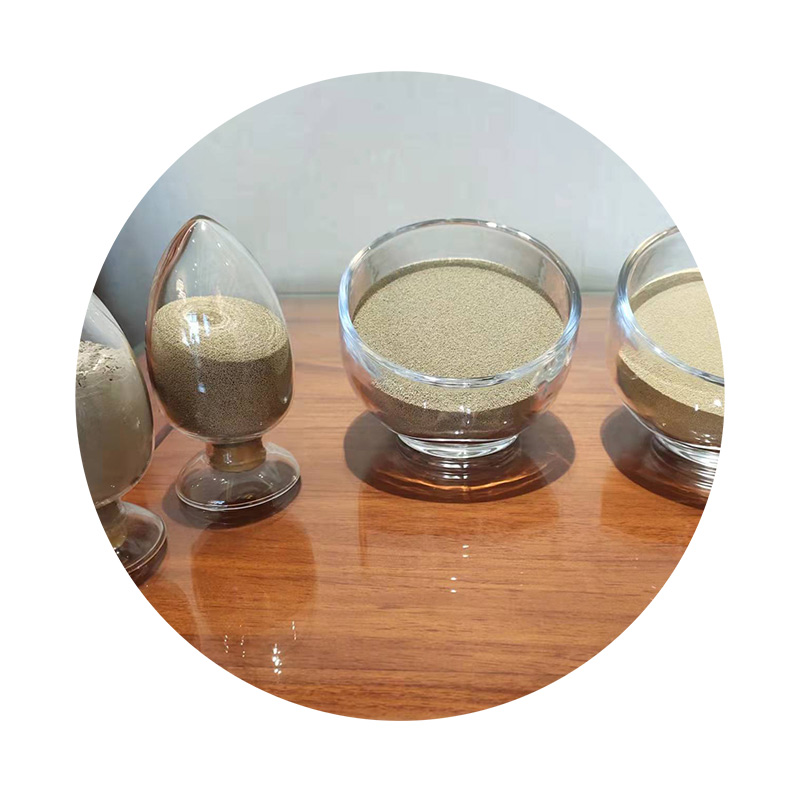
When evaluating casting sand for sale, foundries typically weigh the performance, cost, and environmental impact of various options. Ceramcast sand distinguishes itself significantly from conventional sand types, offering a compelling value proposition.
| Feature | Ceramcast Sand | Silica Sand (Typical) | Chromite Sand | Zircon Sand |
|---|---|---|---|---|
| Refractoriness (°C) | >1790 | ~1710 | ~1850 | ~2100 |
| Thermal Expansion (low = better) | Very Low (4.5-5.5) | High (12-15) | Moderate (7-8) | Very Low (3-4) |
| Grain Shape | Spherical | Angular to Sub-angular | Sub-angular to Rounded | Rounded |
| Binder Consumption | Low | High | Moderate | Low |
| Surface Finish | Excellent | Good to Fair | Good | Excellent |
| Cost per Ton | Moderate-High | Low | High | Very High |
| Recyclability | Excellent | Good | Very Good | Excellent |
| Applicable Alloys | Steel, Iron, Aluminum, Copper | Iron, Aluminum, Copper (lower temp) | Steel, Iron | High Alloy Steels, Reactive Metals |
While the initial sand casting price of Ceramcast sand may be higher than silica, its overall economic impact is often favorable due to reduced binder consumption, lower scrap rates, less post-processing, and high recyclability. Compared to premium sands like zircon, Ceramcast offers comparable performance at a more accessible price point, making it an excellent balance of cost and performance for a wide range of foundry applications.
Customized Solutions and Technical Support
Understanding that every foundry operation has unique requirements, we offer customized solutions for Ceramcast sand to optimize your specific types of sand casting process. Our technical team works closely with clients to tailor grain size distributions, chemical properties, and binder compatibility to meet individual production needs and achieve desired casting outcomes.
Our support extends beyond product delivery. We provide comprehensive technical consultation, including:
- Grain Size Optimization: Fine-tuning the AFS GFN to achieve specific surface finishes or permeability requirements for complex geometries.
- Binder System Compatibility: Assisting in the selection and optimization of binder systems (e.g., Furan, Phenolic, PU Cold Box) to maximize the performance of Ceramcast sand.
- Process Parameter Adjustment: Advising on optimal ramming density, pouring temperatures, and shakeout procedures to leverage the unique properties of Ceramcast.
- Reclamation System Integration: Guidance on integrating Ceramcast sand into existing reclamation systems to maximize recyclability and minimize fresh sand consumption.
- Defect Analysis & Prevention: Collaborative problem-solving to address specific casting defects and enhance overall process robustness.
Our commitment is to be a partner in your success, offering not just a product but a complete solution supported by expertise gained over years in the foundry industry. This collaborative approach ensures that you derive maximum benefit from our high-performance casting sand for sale.
Commitment to Trustworthiness: FAQ, Lead Time, Warranty, and Support
Our dedication to client success is built on transparency, reliability, and robust support. We strive to foster long-term partnerships by ensuring clear communication and dependable service for all aspects of your casting sand for sale requirements.
Frequently Asked Questions (FAQ):
Q1: What are the primary advantages of Ceramcast sand over silica sand?
A1: Ceramcast offers significantly higher refractoriness, much lower thermal expansion, excellent flowability due to its spherical shape, reduced binder consumption, superior surface finish, and high recyclability, leading to reduced defects and overall cost savings.
Q2: Is Ceramcast sand compatible with existing binder systems?
A2: Yes, Ceramcast sand is compatible with most common binder systems used in foundries, including Furan, Phenolic Urethane Cold Box, and inorganic binders. Our technical team can assist with optimization for your specific system.
Q3: How does Ceramcast sand impact environmental compliance?
A3: With low silica content, Ceramcast reduces the risk of silicosis. Its high recyclability minimizes waste and demand for virgin materials, contributing to a more sustainable foundry operation and aiding compliance with environmental regulations.
Lead Time and Fulfillment:
We maintain robust inventory levels and efficient logistics to ensure prompt delivery. Standard lead times for Ceramcast sand typically range from 7-14 business days for domestic orders, and 3-6 weeks for international shipments, depending on destination and order volume. For urgent requirements or large-scale projects, we encourage direct consultation with our sales team for tailored fulfillment plans.
Warranty Commitments:
All Ceramcast sand products are supplied with a standard warranty guaranteeing adherence to the published product specifications and industry standards (e.g., ISO 9001 certified manufacturing). In the unlikely event of a material deviation, our quality assurance team is committed to prompt investigation and resolution.
Comprehensive Customer Support:
Our dedicated customer support team and technical experts are available to assist with product selection, application guidance, troubleshooting, and post-sales inquiries. We offer multilingual support and a global network of distributors to ensure seamless service. Contact us via our website, email, or phone for any assistance required.
Conclusion: The Future of Precision Casting
The demand for advanced manufacturing materials that deliver both superior performance and economic efficiency is escalating. Ceramcast sand ball shape stands as a testament to this evolution, offering foundries a high-performance alternative to conventional casting sand. Its unique blend of high refractoriness, low thermal expansion, spherical grain shape, and exceptional recyclability positions it as a leading choice for producing high-quality castings across various demanding industries.
By investing in Ceramcast sand, foundries can significantly reduce defect rates, minimize post-casting operations, optimize binder usage, and enhance their environmental footprint. This ultimately leads to improved profitability and a strengthened competitive position in the global market. As the industry continues to push the boundaries of precision and efficiency, the role of advanced metal casting sand for sale like Ceramcast will only grow in importance.
We invite you to explore how Ceramcast sand can transform your casting operations and elevate the quality of your finished products. Our team is ready to provide the technical expertise and tailored solutions necessary for your success.
References
- American Foundry Society (AFS). "AFS Sand Testing and Control." Des Plaines, IL: AFS, 2018.
- ASM Handbook, Volume 15: Casting. "Foundry Sand Technology and Practices." Materials Park, OH: ASM International, 2008.
- International Organization for Standardization (ISO). "ISO 9001:2015 Quality Management Systems – Requirements." Geneva, Switzerland: ISO, 2015.
- K. W. H. W. (2007). "Advanced Foundry Technology." Butterworth-Heinemann.
- Campbell, J. (2015). "Complete Casting Handbook: Metal Casting Processes, Metallurgy, Techniques and Design." Butterworth-Heinemann.
Next:High Refractoriness Ceramsite Foundry Sand- Shenghuo New Material Technology Co., Ltd.