
The Importance of Foundry Sand in Metal Casting
Foundry sand is a critical component in the metal casting industry, playing an essential role in producing high-quality metal products. Comprising primarily of silica, foundry sand is used as a molding material in the casting process to shape and support molten metal until it cools and solidifies into the desired form. This article explores the significance of foundry sand, its properties, and its recycling potential in modern metal casting.
One of the primary reasons foundry sand is favored in casting is its high melting point and excellent thermal stability. The sand can endure the extreme temperatures encountered during the melting and pouring of metals, which can exceed 1,500 degrees Celsius. Its ability to withstand such heat without deforming ensures that the mold maintains its integrity, allowing for precise and intricate designs.
Moreover, foundry sand offers excellent permeability
. This property is crucial as it allows gases produced during the pouring of molten metal to escape. If gases are trapped within the mold, they can create defects in the final product, such as pinholes or inclusions. The permeability of foundry sand helps to minimize these defects, thereby enhancing the overall quality of the cast metal.foundry sand
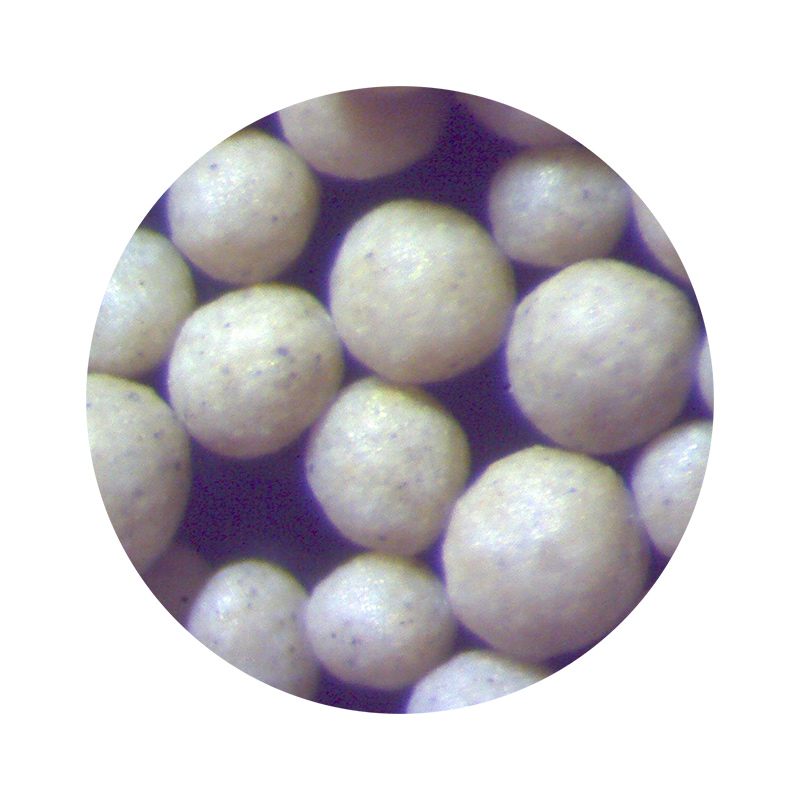
The grain size and shape of foundry sand also significantly impact the casting process. Most foundry sands are round or sub-round, which facilitates a more uniform flow and packing. This uniformity leads to stronger molds and cores, resulting in better surface finishes and dimensional accuracy in the final castings. Manufacturers often conduct rigorous tests to ensure the consistent quality of sand used, as even slight variations can lead to defects in the final product.
Another important consideration is the environmental impact of foundry sand. Traditionally, foundry sand is mined from natural sources, which can lead to environmental degradation. However, advancements in recycling methods are making it possible to reuse spent foundry sand. When a mold is broken after casting, the sand can be cleaned and reused, significantly reducing waste and lowering production costs. This recycling process not only conserves natural resources but also aligns with sustainable manufacturing practices, making the metal casting industry more eco-friendly.
Furthermore, the development of synthetic foundry sands has emerged as a promising alternative to natural sands. These synthetic options can be engineered to achieve specific properties tailored to various casting applications, improving performance and reducing reliance on natural resources.
In conclusion, foundry sand is indispensable in the metal casting industry due to its thermal stability, permeability, grain characteristics, and potential for recycling. As the industry continues to evolve, the focus on sustainable practices and advanced materials will likely shape the future of foundry sand use, contributing to increased efficiency and reduced environmental impact in metal casting. By investing in innovation and sustainability, the foundry industry can ensure a bright future while meeting the ever-growing demands for high-quality metal products.
Post time:Nov . 18, 2024 14:22
Next:foundry molding sand