
The Importance of Fine Casting Sand in Metal Casting
Fine casting sand plays a pivotal role in the metal casting industry, significantly influencing the quality and precision of cast products. As one of the fundamental materials used in the sand casting process, understanding its properties, applications, and the impact it has on the final product is essential for manufacturers and engineers alike.
What is Fine Casting Sand?
Fine casting sand is a type of sand specifically composed of fine granules that are well-graded and uniform in size. Primarily made from silica, it can also contain varying amounts of clay and other materials that enhance its properties. The fineness of the grains allows for better molding and better surface finish on the cast products. This type of sand is often used in conjunction with binders, which help the sand maintain its shape and integrity when subjected to the casting process.
Key Properties of Fine Casting Sand
1. Grain Shape and Size The shape and size of the sand grains directly affect the molding process and the final appearance of the cast. Ideally, fine casting sand should have a spherical or rounded shape, which allows for better packing density and reduces the chances of defects.
2. Cohesiveness and Flowability One of the critical properties of fine casting sand is its cohesiveness. A fine sand mixture should have enough cohesion to hold its form but still be flowable enough to be manipulated and molded into complex shapes. The right balance of these properties ensures that the molds created can withstand the pressures of pouring molten metal.
3. Thermal Stability Fine casting sand must be able to withstand high temperatures without deforming or losing its structural integrity. This thermal stability ensures that the mold can maintain its shape even when filled with molten metal, which can reach temperatures of over 1500°C (2732°F).
4. Reusability Economically, fine casting sand should also be reusable. After a mold is used, the sand can often be reclaimed and recycled, reducing material costs and minimizing waste. Enhancements in recycling processes and techniques have led to better quality reclaimed sand, further benefiting the manufacturing process and environment alike.
fine casting sand
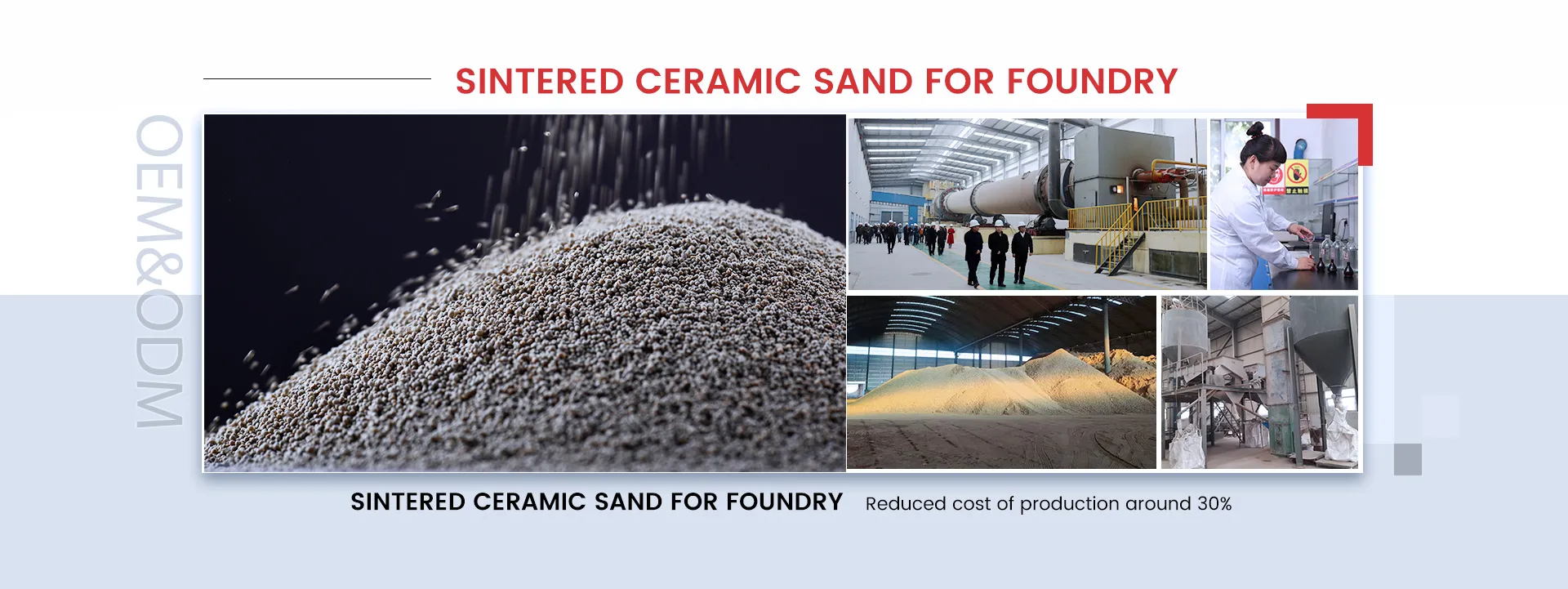
Applications of Fine Casting Sand
Fine casting sand is utilized in various sectors, including automotive, aerospace, and general manufacturing. Its primary application lies in creating molds for metal casting, which can include aluminum, iron, and bronze. The use of fine casting sand allows for high precision in the final cast products, resulting in intricate designs and high-quality finishes.
In the automotive industry, for instance, lightweight components made from aluminum are often cast using fine sand molds. These components are crucial for improving fuel efficiency and performance. Similarly, in aerospace, where precision and reliability are paramount, fine casting sand contributes to the production of parts that meet stringent industry standards.
Quality Control and Testing
To ensure that fine casting sand meets the required specifications for metal casting applications, manufacturers conduct a series of tests. These tests assess characteristics such as grain size distribution, moisture content, and the presence of impurities. By maintaining high standards in these properties, companies can ensure a consistent quality of the molds produced, leading to fewer defects and higher customer satisfaction.
Moreover, advancements in technology have led to the development of synthetic sands that offer improved properties over natural sands. These synthetic alternatives can be engineered for specific casting needs, providing manufacturers with enhanced performance options.
Conclusion
Fine casting sand is an indispensable element in the metal casting industry, directly influencing the quality and efficiency of production. Its unique properties, coupled with its various applications, make it a critical material for achieving high-precision castings in multiple sectors. As technology continues to evolve, the role of fine casting sand will likely expand, paving the way for innovations in manufacturing processes and material applications. As a cornerstone of the metal casting industry, investing in high-quality fine casting sand is essential for any manufacturing business aiming for excellence in their product offerings.
Post time:Nov . 09, 2024 11:10
Next:Key Distinctions between Sand Casting and Die Casting Methods