
- Foundational principles of sand selection
- Properties and applications of core sand types
- Technical specifications and advantages analysis
- Comparative manufacturer evaluations
- Custom formulation scenarios
- Industry implementation case studies
- Production optimization recommendations
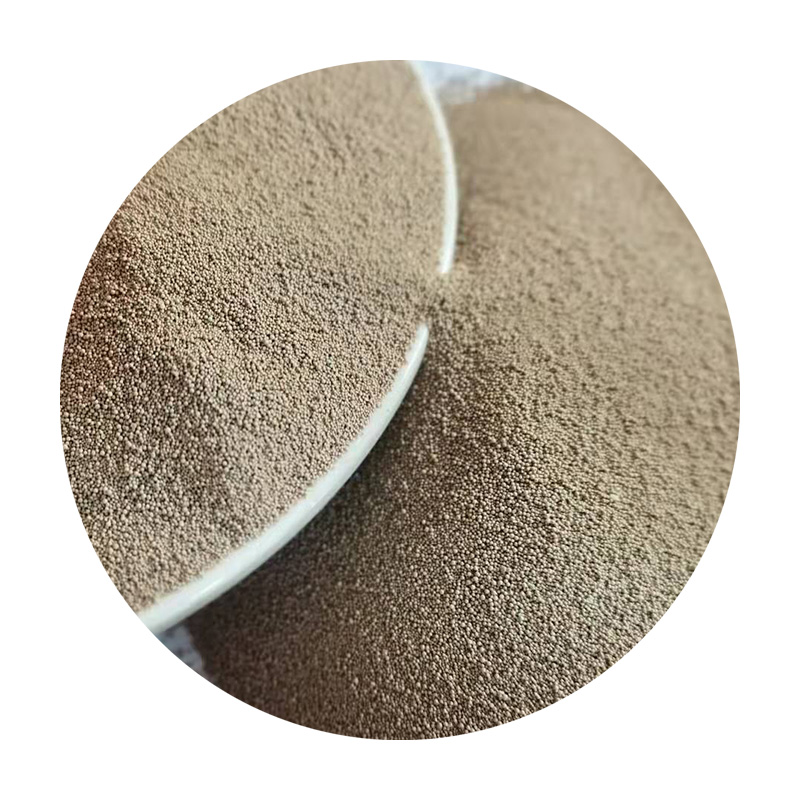
(different types of sand casting)
Essential Factors When Evaluating Different Types of Sand Casting
Metalcasting professionals recognize that different types of foundry sand significantly impact final product quality. Silica sands dominate 80% of applications due to thermal stability up to 1,600°C, but specialized alternatives fill critical niches where dimensional accuracy exceeds ±0.5mm tolerance thresholds. Foundries consuming over 100 tons monthly report 12-15% defect reduction through strategic sand selection. Particle angularity (AFS 45-80 range) determines mold permeability from 50-150 AFS units, while moisture control within 3.5-5% prevents gas defects affecting surface finish. Understanding specific tensile strength requirements between 10-250 kPa ensures optimal casting integrity, particularly for complex geometries requiring sharp detail reproduction.
Green sand formulations derive versatility from controlled bentonite clay (6-12%) and moisture content. These compositions deliver rapid production cycles under 20 minutes with tooling compatibility across low and high-volume operations. Synthetic varieties enhance precision, achieving surface finishes down to 125-250 μin Ra where cosmetic appearance matters. Testing protocols confirm consistent performance: Compactability values within 35-45% ensure reliable flow characteristics, while friability under 15% reduces inclusion risks. Foundries employing continuous sand monitoring systems reduce scrap rates by 18% through real-time adjustments to composition variables.
Resin-bonded systems provide engineered solutions for demanding applications requiring mold strengths above 1MPa. Alkaline phenolic binders maintain integrity beyond 48 hours without degradation, ideal for large-scale marine components. Furan resins offer superior resistance to chemical attack when casting corrosion-resistant alloys, albeit requiring strict emission controls due to formaldehyde content. Recent reformulations reduced hazardous air pollutants (HAPs) by 40-60% while maintaining cure kinetics below 90 seconds at 25°C. Silicate-CO2 processes present environmentally stable alternatives yielding excellent collapsibility for intricate cores.
| Property | Green Sand | Resin-Coated | Ceramic Sand | Chromite |
|---|---|---|---|---|
| Thermal Stability (°C) | 1,450 | 1,650 | 1,780 | 1,850 |
| Reuse Cycle Count | 3-5 | 8-10 | 20+ | 5-7 |
| Permeability (AFS) | 80-120 | 40-70 | 110-150 | 30-60 |
| Cost/Ton (USD) | 75-150 | 400-650 | 850-1,200 | 500-700 |
| Surface Finish (μm) | 12.5-25 | 3.2-6.3 | 1.6-3.2 | 6.3-12.5 |
Foundry Material Suppliers Technical Comparison
| Manufacturer | Core Product Lines | Unique Advantages | Certifications | Batch Consistency |
|---|---|---|---|---|
| HAI International | Chrome-based sands | Thermal conductivity 25% > silica | ISO 9001:2015 | ±0.3% LOI variance |
| US Silica | High-purity silica | 99.5% SiO2, low expansion | IATF 16949 | AFS GFN ±2 units |
| Elkem Foundry | Hybrid binder systems | Low-odor chemistry | ISO 14001 | 97% reuse retention |
| Badger Minerals | Specialty ceramics | Sphericity >0.85 | NAFEM | ≤0.02% fines |
Leading foundries deploy tiered sand management systems combining premium materials with recycled content. Facilities implementing closed-loop reclamation achieve 70-85% recirculation rates for non-silica sands, offsetting higher initial costs within 18 months. High-definition casting (surface detail <0.1mm) requires spherical zircon sands at 120-140 AFS grain fineness paired with phosphate-modified binders. These solutions withstand continuous pouring operations exceeding 20 minutes for massive castings over 5 tons. Computational modeling confirms 22-25% reduced solidification stress versus conventional sands, minimizing distortion in thin-wall applications below 3mm thickness.
Material scientists develop proprietary blends addressing specific industry challenges: Automotive cylinder heads demand thermal shock resistance via chromite-aluminate hybrids that minimize penetration defects at mold-metal interfaces. Pump housings combating erosion utilize zirconia-silicate composites extending component lifespan by 400% in abrasive service. Vacuum-assisted casting operations require engineered permeability between 70-90 AFS with controlled binder breakdown temperatures. Bespoke solutions account for all mechanical parameters: compression strength minimum 2.3 MPa, permeability tolerance ±5 units, and ignition loss maintained under 2.5% after reclamation cycles.
Turbine blade production demonstrates the precision achievable with optimized sand systems. Investment casting foundries using fused silica formulations achieve dimensional stability within IT13-IT14 tolerance grades, reducing machining allowance to 0.8mm. Aerospace suppliers report 30% yield improvements through alumina-silicate composite molds that withstand 100°C/minute heating gradients without cracking. These materials maintain structural integrity at 1,550°C for superalloy casting while producing surface finishes below 3.2μm Ra - eliminating secondary finishing operations. Cycle analysis confirms 28% faster production times versus traditional ceramic shell methods.
Implementing Advanced Sand Casting Types for Manufacturing Excellence
Optimizing the types of sand used in sand casting delivers measurable production advantages across industrial applications. When selecting between the different types of sand casting
systems, manufacturers must prioritize material compatibility with molten alloys - aluminum pours typically require finer AFS 70-100 sands while steel foundries utilize coarser 40-60 AFS distributions. Industrial audits reveal that implementing tiered sand segregation systems reduces new material consumption by 35% while maintaining critical properties. Real-time monitoring equipment tracking key variables (LOI, compactability, temperature) enables proactive adjustments that decrease scrap below 5%. Production data confirms that advanced sand management protocols improve casting yield by 18-22% and dimensional compliance by 41% through precise control of mold properties throughout reuse cycles.
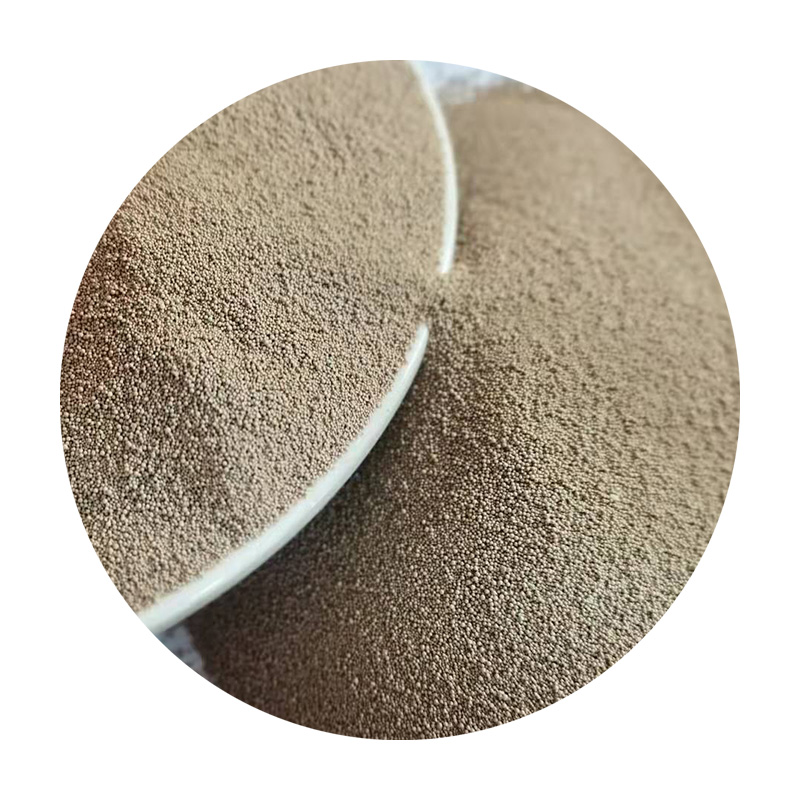
(different types of sand casting)
FAQS on different types of sand casting
Q: What are the different types of sand casting processes?
A: Common types include green sand casting (uses moist clay-bonded sand), dry sand casting (bakes molds for strength), and no-bake casting (chemically bonded sands). Each offers unique precision and cost benefits for metal parts.
Q: What different types of foundry sand are used in casting?
A: Key foundry sands are silica sand (most common), chromite sand (heat-resistant), zircon sand (fine detail), and olivine sand (low expansion). Selection depends on metal temperature and desired surface finish.
Q: How do binder types classify sand casting molds?
A: Molds are categorized by binders: clay-bonded (green sand), organic resin (no-bake/core sand), and sodium silicate (CO₂ hardened). Binders determine mold strength and tolerance capabilities.
Q: Why are specialized sands like zircon used in some sand castings?
A: Zircon sand enables sharper details and tolerates extreme temperatures. It's ideal for precision steel castings where silica sand would fail due to thermal expansion or surface defects.
Q: How does green sand differ from other sand casting types?
A: Green sand uses moist clay-bonded sand that remains uncured. Unlike resin-bonded or dry sand molds, it's cost-effective for high-volume production but offers lower dimensional accuracy.
Next:Iron Sand Casting Process Custom Durable Cast Iron Parts