
The Difference Between Die Casting and Sand Casting
Casting is a widely used manufacturing process that involves pouring molten metal into a mold to create various shapes and parts. Two of the most common casting techniques are die casting and sand casting. Each method has its unique characteristics, advantages, and applications, making them suitable for different manufacturing needs. This article explores the key differences between die casting and sand casting, focusing on their processes, materials, cost, precision, and applications.
Process
Die casting is a manufacturing process that involves forcing molten metal into a steel mold, known as a die, under high pressure. The die is usually made of two halves that fit together tightly, allowing for the creation of highly detailed and complex shapes. The process is automated and often used for high-volume production, making it efficient for producing large quantities of identical parts.
On the other hand, sand casting involves creating a mold from a mixture of sand, clay, and water. In this process, the mold is formed by packing the sand mixture around a pattern of the desired shape. Once the mold is created, the pattern is removed, and molten metal is poured into the sand mold. After the metal cools and solidifies, the sand mold is broken away to reveal the cast part. Sand casting is more versatile and can accommodate a wide range of sizes and shapes, but it is typically slower than die casting.
Materials
The materials used in both processes vary widely. Die casting primarily utilizes non-ferrous metals, such as aluminum, zinc, and magnesium, which offer excellent fluidity and strength. The choice of material can have a significant impact on the properties of the final cast product, including its durability and resistance to corrosion.
In contrast, sand casting is more versatile in material selection. It can accommodate both ferrous metals (like cast iron and steel) and non-ferrous metals. This flexibility allows sand casting to be used for a broader range of applications, particularly in industries where the material properties of ferrous metals are required.
Cost
Cost is a crucial factor when deciding between die casting and sand casting. Die casting requires a significant upfront investment in manufacturing molds, which can be quite expensive, especially for complex shapes. However, since die casting is highly automated and suited for large production runs, the cost per unit decreases significantly with higher volumes.
difference between die casting and sand casting
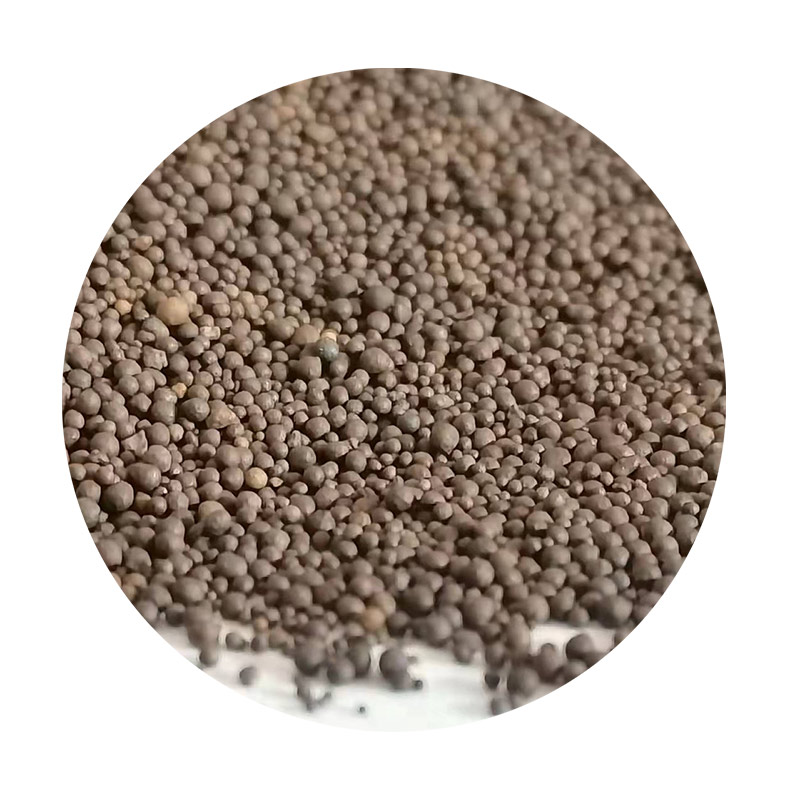
Conversely, sand casting has lower initial costs since making sand molds is less expensive than fabricating steel dies. This makes sand casting a more economical option for low-volume production or one-off parts. Nevertheless, the cost per unit in sand casting remains relatively high for large production runs due to its labor-intensive nature.
Precision and Surface Finish
One of the most significant advantages of die casting is the level of precision and surface finish it offers. Die-cast parts usually have tighter tolerances and smoother surfaces, which can reduce the need for extensive post-processing work. This high level of accuracy makes die casting ideal for applications in automotive and electronic components, where detail and uniformity are critical.
In contrast, sand casting typically results in a rougher surface finish and looser tolerances. While post-processing techniques can enhance the surface quality of sand-cast parts, it often adds to the overall production time and cost. However, the flexibility in design and material still makes sand casting an appealing option for many applications.
Applications
Die casting is favored in industries that require high precision and uniformity, such as automotive, aerospace, and electronics. Parts like engine components, gears, and housings benefit from the durability and intricate design achievable through die casting.
On the other hand, sand casting is widely used for creating larger and heavier components, such as machine parts, sculptures, and automotive components like cylinder heads and engine blocks. Its versatility allows for a diverse range of applications across different industries.
Conclusion
In summary, die casting and sand casting serve distinct purposes in the manufacturing landscape. Die casting excels in high-volume production with superior precision and surface finish, making it suitable for various advanced applications. Sand casting, while slower and less precise, offers flexibility in material selection and cost-effectiveness for low-volume production. Understanding these differences helps manufacturers choose the right casting method for their specific needs, optimizing both production efficiency and quality.
Post time:Dec . 22, 2024 08:29
Next:फाउन्ड्री बालुवाको विशेषताहरू अनुसार नयाँ शीर्षक तयार गर्नुहोस्