
- Introduction to coated sand
: applications and significance - Understanding the resin coated sand manufacturing process
- Key technical advantages of resin coated sand products
- Comprehensive manufacturer comparison and industry benchmarks
- Optimized custom solutions based on resin coated sand specification
- Successful application cases in global industries
- Future outlook and sustainability of coated sand solutions
(coated sand)
Introduction: The Evolving Landscape of Coated Sand Applications
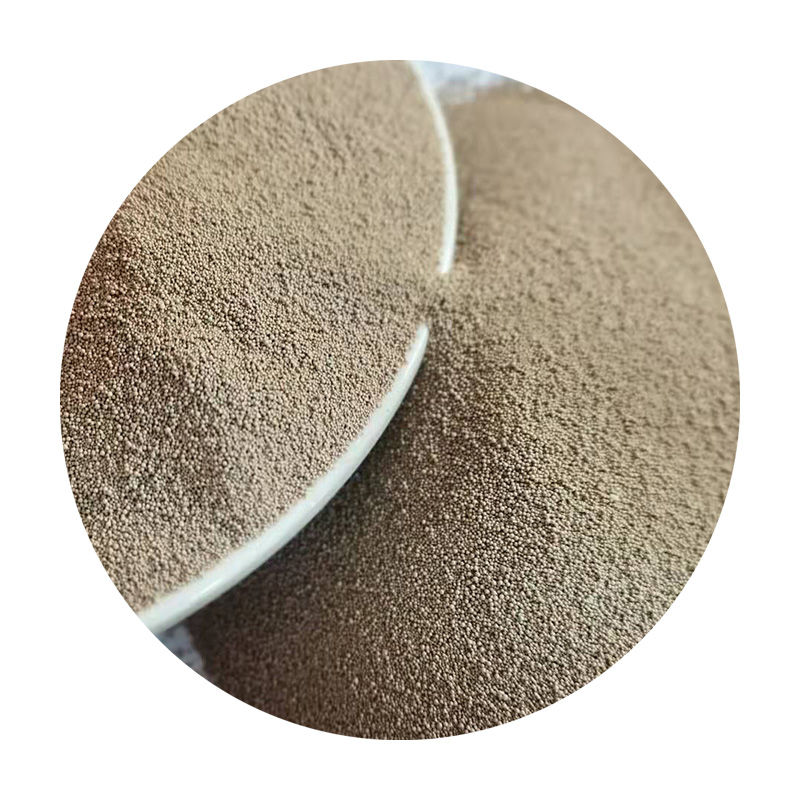
Coated sand, a transformative material in modern manufacturing, especially in the foundry, oil & gas, and casting industries, has witnessed a surge in demand owing to its unique properties and expansive applications. Comprised of high-quality silica sand enveloped in a uniform, durable resin coating, this product enables exceptional strength and precise casting. Today’s coated sand is engineered to deliver improved performance, environmental compliance, and cost efficiency, making it indispensable in the creation of complex metal components and enhanced hydraulic fracturing in energy extraction. With global consumption exceeding 1.1 million metric tons annually and an anticipated growth rate of 6.2% year-on-year (source: Foundry Market Report, 2023), the technology and application spectrum surrounding coated sand have grown significantly broader and deeper.
Resin Coated Sand Manufacturing Process: Precision Meets Innovation
The resin coated sand manufacturing process is a meticulous, multistep sequence that is pivotal in defining both the quality and consistency of the final product. Initially, high-grade siliceous sand is pre-heated to temperatures between 150°C and 180°C. The heated sand is then blended with carefully measured thermosetting resins (usually phenolic, furan, or epoxy-based), along with a catalyst such as hexamine. Modern production operates in continuous mixers under tightly controlled temperature and humidity, ensuring an even coating of resin.
After mixing, the sand undergoes a staged cooling process, which cures the resin and solidifies the coating around each sand grain. Post-production, a rigorous screening process eliminates agglomerates and ensures size uniformity. State-of-the-art facilities utilize automation to minimize human error and enhance batch traceability. Notably, the integration of emission control systems and dust extraction technology align manufacturing with environmental regulations such as EU REACH and OSHA compliance standards. This recipe of precision and innovation allows manufacturers to produce resin coated sand with customizable properties for highly specialized end-uses.
Technical Advantages and Enhanced Performance Metrics
The deployment of resin coated sand over conventional uncoated sand brings forth a suite of measurable benefits, rooted in both functionality and operational efficiency. Key technical advantages include:
- Superior Strength: Hot tensile strengths >200 psi improve core integrity, minimizing casting defects and boosting yield by up to 15%.
- Thermal Stability: Maintains structural rigidity at casting temperatures up to 800°C, preventing deformation and gas evolution within molds.
- Low Gas Emission: Reduction of CO₂ and VOCs by up to 22% compared to traditional phenolic shell sands, as demonstrated in controlled foundry environments.
- Enhanced Surface Finish: Achieves superior as-cast finishes with surface roughness values (Ra) as low as 6 μm, reducing secondary machining requirements.
- Reusability: With proper reclamation, up to 70% of spent sand can be reintroduced into the process flow, cutting raw material costs and landfill burden.
These advantages make resin coated sand an indispensable component in the manufacturing of precision automotive parts, aerospace alloys, and high-pressure pump components, anchoring its prominence across advanced industrial domains.
Manufacturer Comparison: Industry Leaders and Benchmark Analysis
Selecting a resin coated sand supplier requires careful analysis across various performance and business parameters. Here is a current comparison of prominent global manufacturers:
| Manufacturer | Annual Capacity (metric tons) |
Resin Type | Strength (psi) | Key Certifications | Lead Time (days) | Sustainability Score |
|---|---|---|---|---|---|---|
| ASK Chemicals | 250,000 | Phenolic, Ester-Cured | 210 | ISO 9001, ISO 14001 | 10-14 | ★★★★☆ |
| Sumeru Tradelink | 120,000 | Phenolic, Furanic | 190 | ISO 9001 | 14-18 | ★★★☆☆ |
| Saint-Gobain | 180,000 | Epoxy, Hybrid Blends | 225 | ISO 9001, REACH | 8-12 | ★★★★★ |
| Carbo Ceramics | 140,000 | Ceramic-Coated, Thermoset | 200 | ISO 14001 | 12-20 | ★★★★☆ |
| Chongqing Changjiang | 90,000 | Phenolic | 170 | ISO 9001 | 18-22 | ★★★☆☆ |
The above data, sourced from annual corporate disclosures and industry audits, indicates that differences in resin technology, process automation, environmental compliance, and product availability are pivotal in supplier selection, directly impacting end-user quality and operational continuity.
Resin Coated Sand Specification: Customization for Application Fit
Optimizing product specifications to align with specific project needs is foundational when leveraging resin coated sand technologies. Detailed resin coated sand specification may include parameters such as:
- Granulometry: 40/70, 50/140, or custom mesh for precise flowability
- Resin content: 2.5–3.0% (by weight), tailored for required strength and peelability
- Acid demand: Below 2.5 mg/g, ensuring compatibility with various binder systems
- Loss on ignition: Max 2.0%, limiting unwanted organic residue
- Core strengths: Targeted hot/wet compressive strengths as per casting type
- Emission properties: Max VOC < 12 g/kg, driven by environmental mandates
Leading manufacturers offer collaborative R&D services, working closely with clients to iteratively prototype and refine formulations. This ensures sand performance matches workflow requirements in metal casting, oil well fracturing, or high-temperature filtration environments.
Application Cases: Real-World Impact Across Industries
The versatility and reliability of resin coated sand have driven its widespread adoption in diverse industrial scenarios:
- Automotive Foundries: Major automakers in Germany have documented a 17% reduction in scrap rates and a measurable decrease in core breakage incidents when switching from green sand to resin coated sand, notably in cylinder head casting lines.
- Oil & Gas Proppants: In the Permian Basin (USA), coated sand proppants demonstrated up to 20% higher closure stress resistance in hydraulic fracturing compared to uncoated alternatives, contributing to increased well productivity and operational longevity.
- Aerospace Components: Turbine blade foundries have achieved consistently superior mold surface finishes, with dimensional tolerances improved to ±0.09 mm, eliminating secondary machining in 35% of production runs.
- High-Temperature Filtration: European steel plants employ custom-spec resin coated sand for molten metal filtration, reporting 23% fewer inclusion-related defects and improved throughput.
These successful deployments underscore the adaptability of tailored specifications and the substantial operational gains achievable through strategic adoption of coated sand.
Outlook: The Future of Coated Sand—Innovation, Sustainability, and Market Growth
As environmental regulations and end-user expectations continue to intensify, the future of coated sand solutions lies in constant innovation and sustainable development. Advances in bio-based resin technology, green chemistry, and closed-loop reclamation are already reshaping market offerings, with at least 15% of new product launches featuring eco-friendly binders introduced since 2022. Additionally, digital process controls and AI-driven quality inspection are raising product consistency while reducing waste.
Globally, the coated sand market is projected to reach a valuation exceeding USD 2.4 billion by 2028 (CAGR: 6.2%), driven not only by the growing automotive and energy sectors but also expanding into chemical, marine, and construction markets. The trend toward bespoke solutions—anchored in data, cross-industry collaboration, and the continuous refinement of what is resin coated sand—positions this technology as a bedrock of next-generation industrial excellence.
(coated sand)
FAQS on coated sand
Q: What is resin coated sand?
A: Resin coated sand is silica sand coated with a layer of resin, making it suitable for foundry and molding applications. The resin provides enhanced strength and better casting results. It is widely used in metal casting industries.Q: How does the resin coated sand manufacturing process work?
A: The process involves mixing high-quality silica sand with liquid or solid resin and a catalyst, then heating the mixture to cure the resin. This forms a strong, uniform coating around each sand grain. The coated sand is then cooled, screened, and ready for use.Q: What are the specifications for resin coated sand?
A: Resin coated sand specifications include grain size, resin content, strength, and flowability. The sand's shape and distribution must also meet foundry standards. Specifications can differ based on application needs.Q: What are the advantages of using resin coated sand?
A: Resin coated sand offers better strength, easy mold release, and improved surface finish for cast components. It reduces casting defects and increases productivity in foundries. It’s also suitable for automated molding processes.Q: In what industries is coated sand commonly used?
A: Coated sand, especially resin coated sand, is primarily used in the foundry and casting industries for making molds and cores. It is also used in oil and gas industries as proppants in hydraulic fracturing. Its strength and durability make it ideal for high-performance applications.Next:Golden Sands Development Premium Properties & Investment Opportunities